
Beautiful Plants For Your Interior
Beautiful Plants For Your Interior
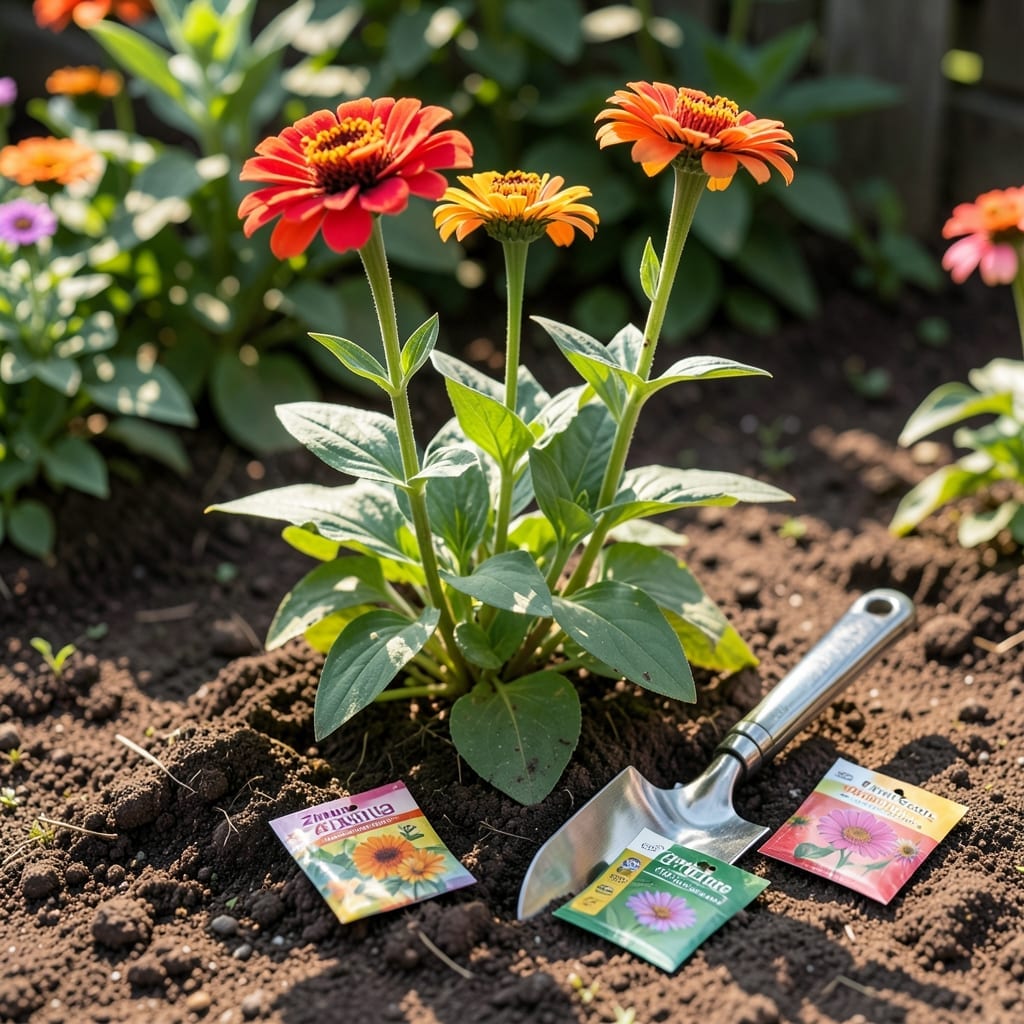
Timing is everything when planting zinnias in Virginia—get it right and you’ll enjoy vibrant, long-lasting blooms all season.
Whether you’re in the coastal plains or the mountains, our state’s diverse climate demands a tailored approach. I’ve seen firsthand how a few weeks difference can make or break your garden.
For Zone 7a, the sweet spot is typically April to May, but soil warmth and frost dates are the real deciders. Let me show you how to nail the timing for your area.
By the end, you’ll know exactly when to plant your 🌼 zinnias and why that timing matters so much for those stunning summer flowers.
Virginia’s diverse USDA zones (6a-8a) mean zinnia planting times vary. In cooler zone 6a, wait until mid-April after the last frost. Warmer zones like 8a can start early March for earlier blooms.
Soil temperature matters—zinnias thrive when soil hits 60°F. Use a soil thermometer to check. Coastal areas warm faster than mountainous regions, so adjust accordingly.
| Zone | Last Frost Date | Planting Window | Notes |
|---|---|---|---|
| 6a | April 15 | Mid-April to May | Cooler climate, later start |
| 7a | April 10 | Early April to May | Central Virginia, moderate |
| 8a | March 25 | Early March to April | Warmer, earlier planting |
In zone 7a, which covers much of Virginia, early April is ideal. This gives zinnias a long growing season before the first fall frost around October 15.
For best results, plant zinnia seeds ¼ inch deep and 6-18 inches apart. They prefer well-draining soil and full sun, which Virginia’s summers provide in abundance.
If you’re in northern Virginia, near zone 6b, wait until late April to avoid late frosts. Southern regions near zone 8a can plant as early as late February for a head start.
Zinnias are fast growers, often blooming in 60-70 days. In Virginia, this means July to October flowers if planted on time. Deadhead spent blooms to encourage continuous flowering.
Watch for powdery mildew, a common issue in Virginia’s humid summers. Space plants properly and water at the base to keep foliage dry and reduce disease risk.
For extended blooms, succession plant every 2-3 weeks until July. This ensures a steady supply of fresh zinnias throughout the growing season.
Virginia’s long growing season is perfect for zinnias. With the right timing, you’ll enjoy vibrant, colorful blooms that attract pollinators like bees and butterflies all summer long.
Remember, zinnias are drought-tolerant once established, but they’ll thrive with consistent moisture during their initial growth phase.
Virginia’s humid summers and warm soil create the perfect conditions for zinnias, but timing and technique matter. I always start by preparing the soil with organic compost to boost drainage and fertility.
Plant your zinnia seeds ¼ inch deep and space them 6-12 inches apart, depending on the variety. This gives roots room to grow while preventing overcrowding, which can lead to powdery mildew in our humid climate.
Zinnias thrive in full sun, so choose a spot that gets at least 6-8 hours of direct sunlight daily. In Virginia’s heat, I recommend watering in the early morning to reduce evaporation and fungal risks.
For continuous blooms, deadhead spent flowers regularly. This encourages the plant to produce more blooms rather than setting seed. I’ve found this simple step can extend my zinnia season by several weeks. ☀️
A light balanced fertilizer every 4-6 weeks keeps zinnias flowering strongly. Avoid over-fertilizing, as this can lead to leafy growth at the expense of blooms.
With these steps, you’ll enjoy vibrant zinnia blooms from early summer through fall frost. The key is consistency in care and attention to Virginia’s unique growing conditions 🌼