
Beautiful Plants For Your Interior
Beautiful Plants For Your Interior
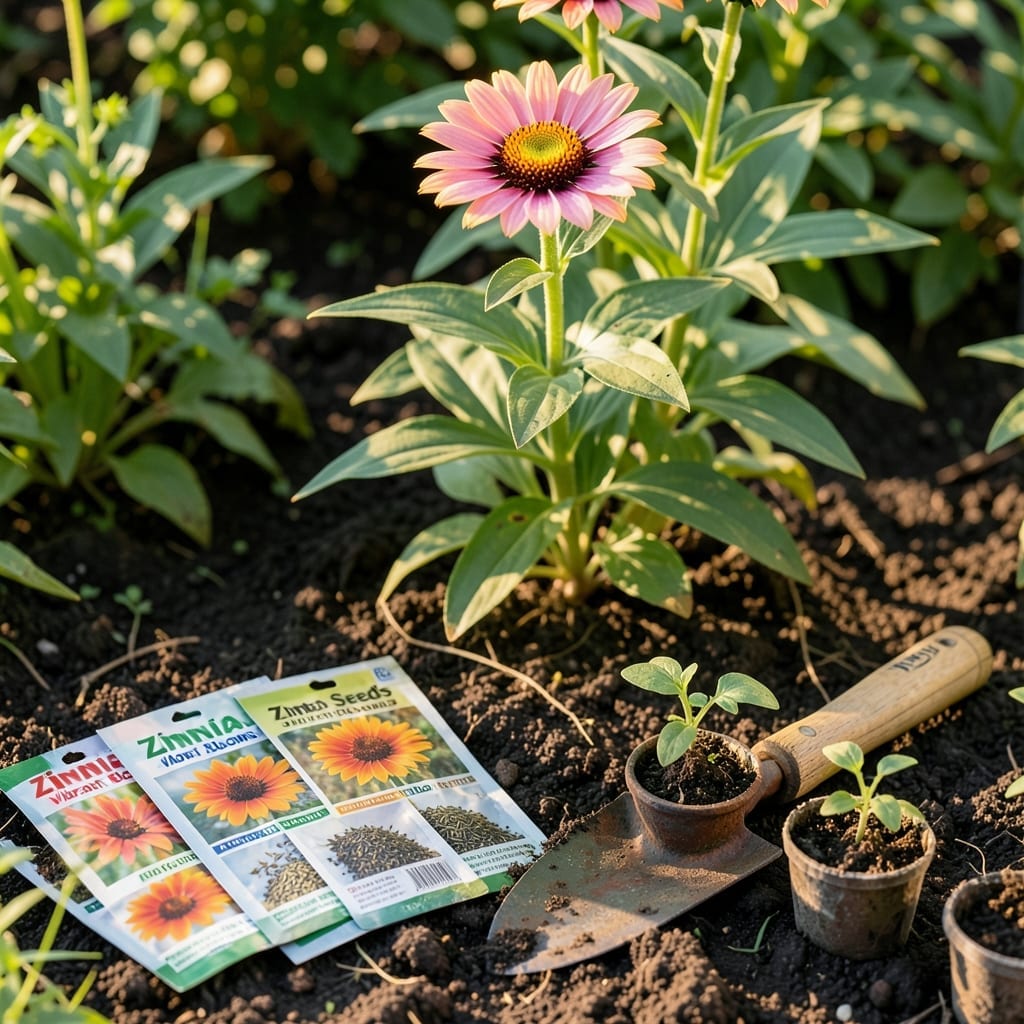
Timing is everything when growing zinnias in Southern California’s unique climate. Plant too early, and cold snaps can stunt growth; plant too late, and you’ll miss the peak blooming season.
The 🌼 Zinnia thrives in our warm USDA zone 10a, but getting the timing right makes all the difference. With over 300 frost-free days, you have flexibility—but there’s a sweet spot.
I’ve learned through trial and error that early spring offers the best start for vibrant, long-lasting blooms. The key is aligning with the soil’s warmth and your local microclimate.
Let me walk you through the ideal window to get your zinnias off to a strong start and keep them flourishing through the season.
Southern California’s mild winters and hot summers create a unique growing environment for zinnias. The ideal window starts in early spring, when the soil warms to 70°F or higher, ensuring strong root development.
Our region’s last frost date is typically around February 15, but I recommend waiting until March for coastal areas. Inland and desert zones can start 2-3 weeks earlier due to warmer conditions.
| Region | Best Months | Soil Temp |
|---|---|---|
| Coastal | March-May | 70°F+ |
| Inland | Feb-April | 70°F+ |
| Desert | Feb-March | 75°F+ |
For fall planting, aim for late August to early September. This gives zinnias time to establish before cooler weather. They’ll thrive until the first frost around December 15 in most areas.
Microclimates matter! Foggy coastal zones may need to wait until April for consistent warmth, while inland valleys can start in late February with protection from cold snaps.
I’ve found that direct sowing works best in our climate. Start seeds ¼ inch deep in well-draining soil with full sun exposure. Thin seedlings to 6-18 inches apart depending on variety size.
If you prefer transplants, begin indoors 4-6 weeks before your last frost date. Harden off seedlings for 7-10 days before moving them outside to avoid shock.
For continuous blooms, I use succession planting. Sow new seeds every 2-3 weeks through early summer to keep fresh flowers coming as older plants fade.
Remember, zinnias hate soggy soil. Water deeply but infrequently, allowing the top inch of soil to dry between waterings. This encourages deep root growth and prevents disease.
Our long growing season means you can enjoy zinnias from late spring through fall. With proper timing, you’ll have vibrant, pollinator-friendly blooms for months on end. ☀️
Preparing your soil properly is the foundation for healthy zinnia plants in Southern California. I always start by ensuring the soil is well-draining with a pH of 6.0-7.0, which zinnias love.
Whether you’re direct sowing or transplanting seedlings, loose, fertile soil gives roots room to spread. Mix in compost to boost nutrients, but avoid heavy clay. Zinnias hate soggy roots, so good drainage is non-negotiable.
⚠️ Avoid Overwatering Seeds
Zinnia seeds rot easily if the soil stays too wet. Water lightly after planting, then keep soil moist but not soggy until germination. Once sprouts appear, reduce frequency but water deeply.
For direct sowing, plant seeds ¼ inch deep and 6-18 inches apart, depending on the variety. Dwarf types need less space, while taller zinnias like Benary’s Giant require more room.
If transplanting, harden off seedlings over 7-10 days before moving them outside. This prevents shock from sudden temperature changes. I’ve lost too many seedlings by skipping this step!
Consider your microclimate. Coastal areas may need wind protection, while inland spots should focus on heat tolerance. Mulching helps retain moisture and regulate soil temperature in both cases.
Finally, choose disease-resistant varieties like Zahara or Profusion for easier care. These handle Southern California’s heat and humidity better than older types. A little prep now means bigger, brighter blooms later. 🌼