row”>
cell” style=”padding: 12px; border-bottom: 1px solid #ddd;”>75-90°F
row”>
cell” style=”padding: 12px;”>55-85°F
Remember, zinnias hate extreme heat. Planting in May through August often leads to stunted growth or even plant death from heat stress.
I always check the 10-day forecast before planting. If nighttime temperatures are consistently above 50°F, it’s safe to proceed with your zinnia seeds.
For the best results, plant your zinnias in well-draining soil and provide afternoon shade during our hottest months. This simple step can make a world of difference.
If you’re eager to get started, you can begin seeds indoors in January. Just be sure to harden off your seedlings before transplanting them outside.
Phoenix’s long growing season means you can enjoy zinnias from spring through fall with proper timing. The key is working with our climate’s natural rhythms.
With these timing tips, you’ll be rewarded with vibrant, long-lasting zinnia blooms that thrive in our desert conditions 🌼
How to Prepare Your Phoenix Soil for Zinnia Success
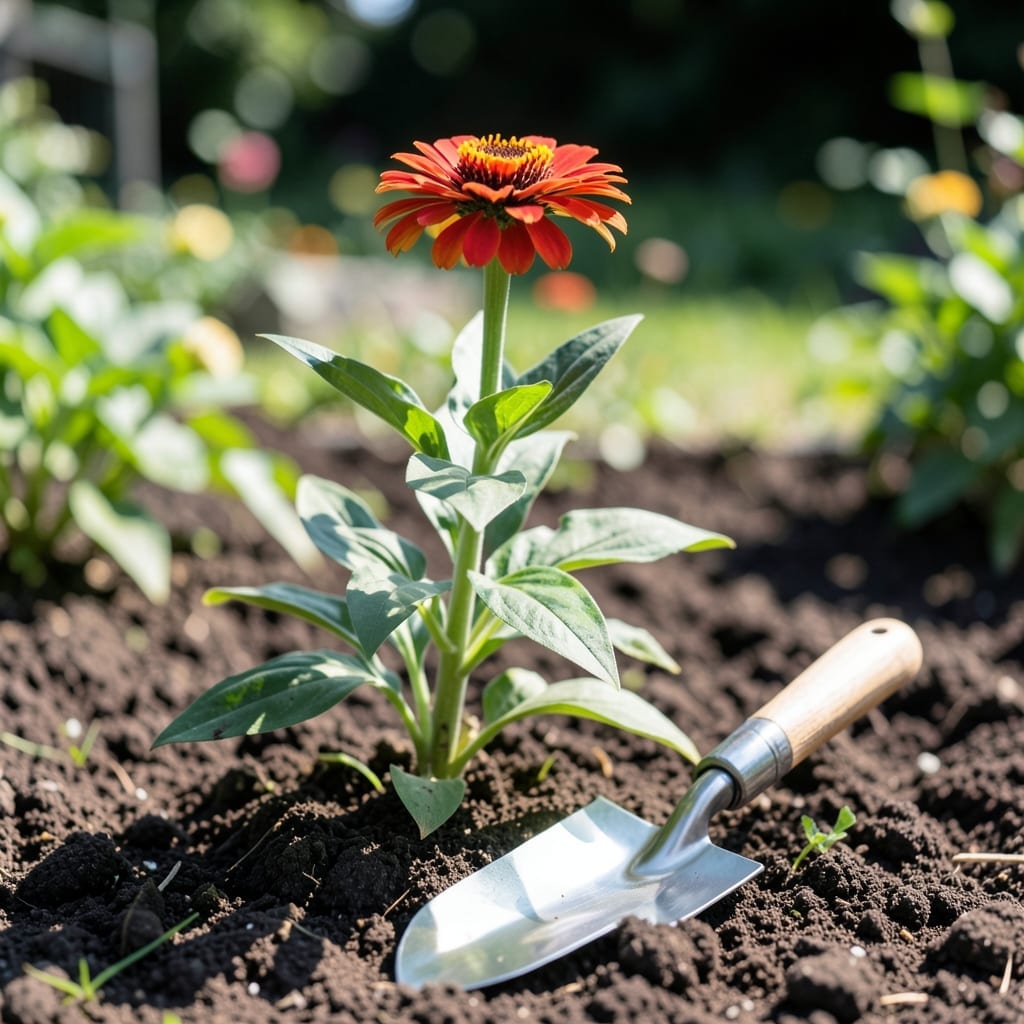
Phoenix soil can be tough on zinnias with its clay-heavy composition and poor drainage. I’ve found that amending the soil is absolutely essential for healthy growth in our desert conditions.
Start by mixing in 2-3 inches of compost to improve fertility. This helps retain moisture while allowing excess water to drain away from zinnia roots.
Phoenix Zinnia Soil Prep
- Test soil pH (aim for 6.0-7.0)
- Add organic matter (compost or aged manure)
- Improve drainage with perlite or coarse sand
- Mulch surface to retain moisture
Our alkaline soil often needs pH adjustment. I recommend adding sulfur or peat moss if your test shows pH above 7.5. Zinnias prefer slightly acidic to neutral conditions.
Drainage is critical in Phoenix. I always create raised beds or mounded rows to prevent waterlogging during our rare but intense monsoon rains. This also helps with root development.
Don’t forget about mulching. A 2-inch layer of organic mulch keeps soil temperatures stable and reduces evaporation. I use straw or shredded bark for best results.
Finally, consider drip irrigation for consistent moisture. Zinnias need 1 inch of water weekly, but in our heat, you may need to water every 3-4 days during peak summer.
With these preparations, your zinnias will have the best start in Phoenix’s challenging climate 🌼
★★★★★4.8(8 reviews)