
Beautiful Plants For Your Interior
Beautiful Plants For Your Interior
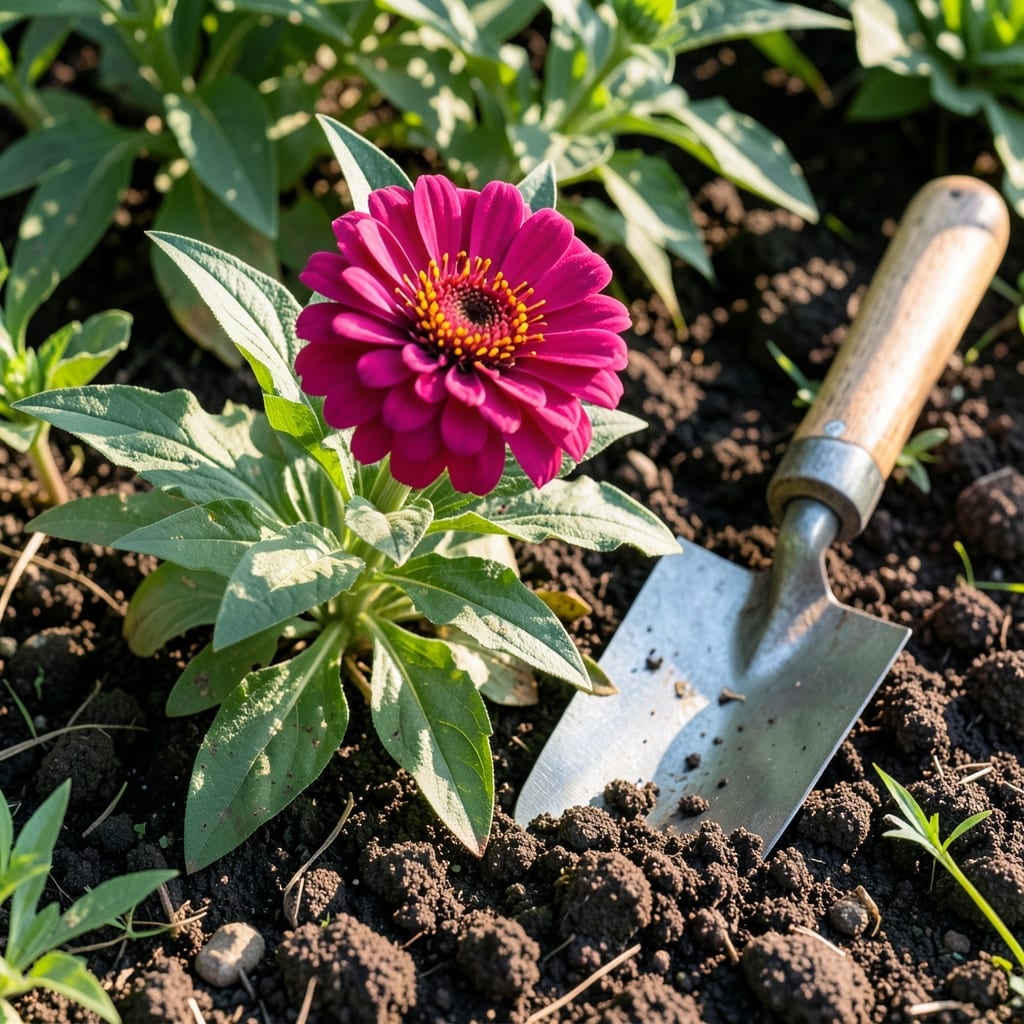
Timing is everything when growing vibrant blooms in your garden. For Michigan gardeners, knowing the right moment to start can make all the difference between a lackluster season and a spectacular one.
The key lies in understanding your local climate and frost dates. In zones 5b-6a, the window is narrow but rewarding if you get it right. I’ve seen firsthand how proper timing transforms a garden.
With the 🌼 Zinnia, you’re looking at a plant that thrives when conditions are just right. Too early, and frost might claim your efforts. Too late, and you’ll miss the peak of summer’s glory.
Discover how to hit that sweet spot and enjoy continuous blooms from July through October. Let me walk you through the essentials for Michigan success.
Michigan’s USDA zones 4-6 create unique planting windows. In zone 5b, I wait until mid-May after the last frost. The soil needs to reach 60°F for best germination. This timing prevents cold damage to tender seedlings.
For zone 6a, gardeners can start 1-2 weeks earlier than zone 5. The frost-free date typically falls around May 10th. I’ve found zinnias planted then establish quickly in warming soil.
| Zone | Planting Date | Soil Temp | First Blooms |
|---|---|---|---|
| 4 | Late May | 60°F+ | July |
| 5b | Mid-May | 60°F+ | Late June |
| 6a | Early May | 60°F+ | Late June |
In zone 4, the season is shorter. I recommend starting seeds indoors 4-6 weeks before transplanting after frost. This gives plants a head start in the 150-day growing season. Direct sowing works but may delay blooms.
The soil temperature is critical. I use a soil thermometer to check. Zinnias won’t germinate well below 60°F. In cooler springs, I cover rows with black plastic to warm the soil faster.
For continuous blooms, I plant new seeds every 2-3 weeks until July. This succession planting ensures fresh flowers throughout summer. The last safe planting is about 60 days before first frost.
Michigan’s summer heat suits zinnias perfectly. They thrive in full sun and handle drought once established. I water deeply once weekly unless rain provides an inch of moisture.
In southern Michigan, gardeners in zone 6 can push the envelope. I’ve successfully planted as early as April 20th with row covers. But I always watch the 10-day forecast for late frosts.
The ideal window for most Michigan gardeners is May 10-20. This timing avoids frost and allows 60-70 days to first blooms. I mark this on my calendar every year.
Remember, microclimates matter. Urban areas and south-facing slopes warm faster. I adjust my planting dates based on local conditions. When in doubt, I wait for that consistent 60°F soil temperature.
With proper timing, you’ll enjoy vibrant zinnia blooms from July through first frost. I’ve found this schedule works reliably across Michigan’s diverse climate zones 🌻
Before planting zinnias in Michigan, I always check the soil temperature. These warmth-loving flowers need at least 60°F soil to thrive, which typically happens after the last frost date in mid-May.
Next, I focus on soil preparation. Michigan’s clay-heavy soil benefits from compost or aged manure to improve drainage and fertility for your zinnias.
For the best location, I select spots with full sun exposure. Zinnias need at least 6-8 hours of direct sunlight daily to produce those vibrant blooms we love.
I also recommend pre-watering the planting area. This helps settle the soil and creates ideal conditions for your zinnia seeds or seedlings to establish quickly.
Finally, I always mulch around my zinnias to retain moisture and suppress weeds. This simple step makes a big difference in Michigan’s variable summer weather ☀️