
Beautiful Plants For Your Interior
Beautiful Plants For Your Interior
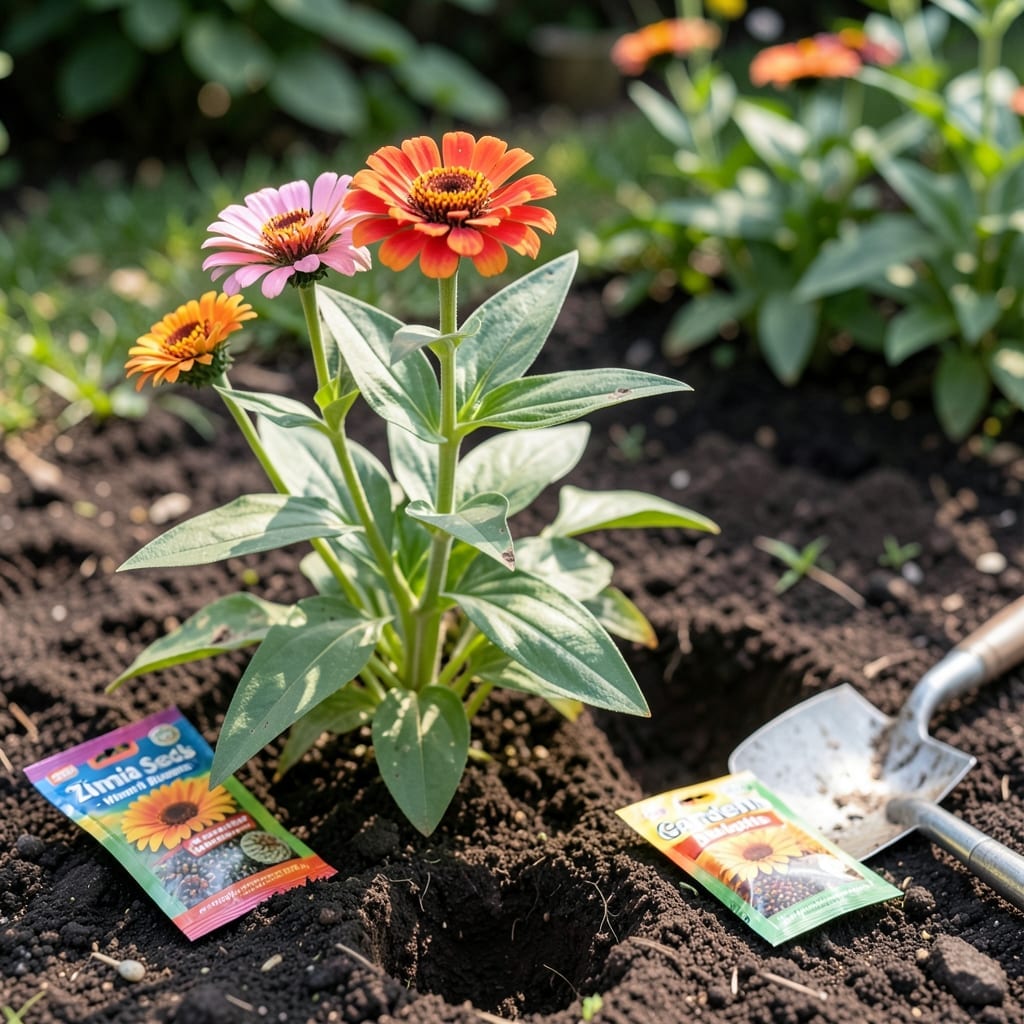
Timing is everything when planting zinnias in Indiana’s Zone 6a climate. Plant too early, and a late frost could wipe out your seedlings. Wait too long, and you’ll miss the peak blooming season.
I’ve learned the hard way that getting the timing right means the difference between a lackluster garden and one bursting with vibrant 🌼 Zinnias. This guide covers the exact spring and fall windows for success.
From last frost dates to soil temperature requirements, I’ll walk you through the most important factors. Whether you’re direct sowing or transplanting, these tips will set you up for a stunning display.
Discover how to align your planting schedule with Indiana’s unique climate. Let’s make this your best zinnia season yet.
In Indiana’s Zone 5, timing your zinnia planting is crucial for vibrant blooms. The last frost date is typically around April 20, but soil should be at least 60°F for seeds to germinate properly.
For spring planting, wait until mid-to-late May when the soil is warm. If you’re eager, start seeds indoors 4-6 weeks before the last frost for a head start.
| Planting Window | Key Details |
|---|---|
| Spring Direct Sow | After last frost, soil 60°F+ |
| Indoor Start | 4-6 weeks before last frost |
| Fall Planting | By early August for blooms before frost |
| Soil Temp | 70°F+ ideal for germination |
For fall zinnias, plant seeds by early August to ensure blooms before the first frost around October 15. This gives them enough time to mature and thrive.
Direct sowing is best in well-draining soil with full sun exposure. Zinnias need 6-8 hours of sunlight daily for optimal growth and blooming.
If you’re transplanting seedlings, harden them off for 7-10 days before moving them outside. This helps prevent transplant shock and ensures stronger plants.
Indiana’s growing season is about 180 days, giving you plenty of time for multiple zinnia successions. Space seeds 6-18 inches apart, depending on the variety.
For dwarf zinnias, plant them 6 inches apart. For taller varieties, allow 12-18 inches to prevent overcrowding and promote air circulation.
Water deeply after planting to help seeds settle. Keep the soil moist but not soggy until germination, which typically takes 5-7 days.
Once established, zinnias are drought-tolerant but bloom best with consistent moisture. Mulch around plants to retain soil moisture and suppress weeds.
Remember, Indiana’s climate can vary. Always check your local frost dates and soil temperature before planting to ensure the best results. 🌼
Getting your Indiana garden ready for zinnias starts with soil preparation. I always test my soil pH (6.0-7.0) and amend with compost for better drainage and fertility.
Zinnias thrive in full sun, so pick a spot with 6-8 hours of direct sunlight. This ensures strong stems and vibrant blooms all season long.
| Preparation Step | Requirement |
|---|---|
| Soil pH | 6.0-7.0 |
| Sun Exposure | 6-8 hours daily |
| Spacing | 6-18 inches apart |
| Watering | 1 inch weekly |
When planting, space seeds based on variety: 6 inches for dwarfs, 12-18 inches for taller types. This prevents overcrowding and promotes air circulation.
Water deeply after planting, keeping soil moist but not soggy. I use mulch to retain moisture and suppress weeds around my zinnias.
For best results, plant in well-draining soil and avoid heavy clay. If your soil is compacted, mix in organic matter to improve texture and drainage.
After planting, monitor soil moisture closely. Zinnias need consistent watering until established, then they become more drought-tolerant. 🌼