
Beautiful Plants For Your Interior
Beautiful Plants For Your Interior
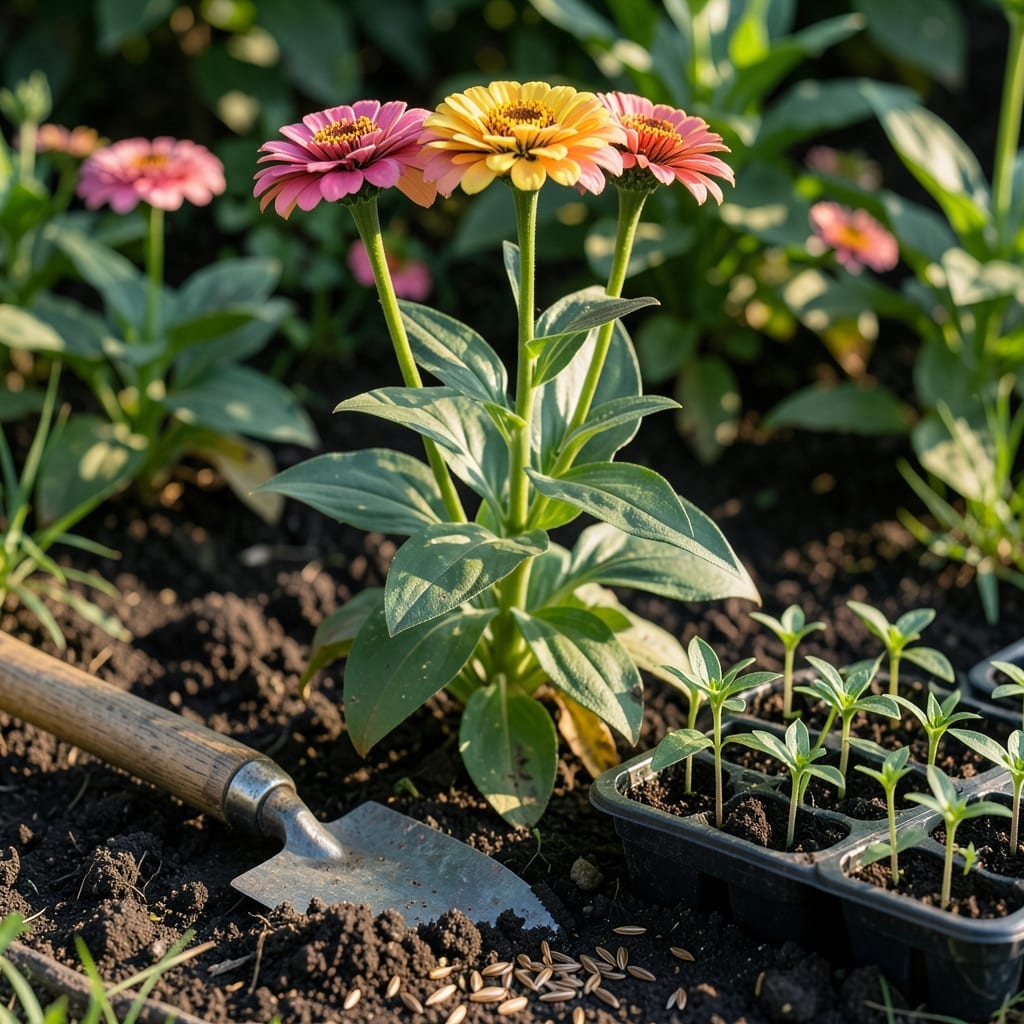
Timing is everything when planting Zinnia seeds in Pennsylvania—plant too early and frost may kill your seedlings, too late and you’ll miss the peak blooming season.
This guide reveals the exact windows to maximize your Zinnia’s vibrant, long-lasting flowers. Whether you’re in Pittsburgh or Philly, knowing your zone makes all the difference.
I’ll show you how to work with Pennsylvania’s climate, from the last frost date to soil temperature requirements. No more guessing when to start your spring garden.
Discover the simple timing secrets that lead to a garden full of colorful blooms from July through October.
Pennsylvania’s diverse climate means the best planting time varies by region. In the Southeast (Philly area), aim for mid-April after the last frost. Central PA gardeners should wait until early May for safer conditions.
The Northwest (near Erie) has a shorter season, so late May is ideal. Soil temperature should be at least 60°F for proper germination in all zones. I always check my local frost dates to be sure.
| Region | Planting Window | Last Frost Date |
|---|---|---|
| Southeast PA | Mid-April to early May | April 15 |
| Central PA | Early to mid-May | May 1 |
| Northwest PA | Late May to early June | May 15 |
For early blooms, start seeds indoors 4-6 weeks before your region’s last frost. This gives seedlings a head start before transplanting. I’ve found this method works well for dwarf zinnias in particular.
Soil preparation is key. Work in compost before planting to improve drainage. Zinnias hate wet feet, so avoid heavy clay soils. A pH of 6.0-7.0 is perfect for these vibrant flowers.
In warmer years, you might push planting a week earlier, but I’d recommend using a soil thermometer to confirm temperatures. Remember, zinnias grow quickly—you’ll see blooms in about 60-70 days.
For cut flower gardens, plant in succession every 2-3 weeks until July. This ensures continuous blooms through fall. I love how this extends the colorful display in my garden.
Variety selection matters too. Benary’s Giant does well in all PA regions, while Thumbelina is perfect for containers. Check seed packets for specific regional recommendations.
If you’re in a cooler microclimate, consider using black plastic mulch to warm the soil faster. This trick has helped me get earlier blooms in my shadier spots.
Water deeply after planting, then maintain even moisture until germination. Once established, zinnias are drought-tolerant, but I find they bloom best with consistent watering. 🌼
Planting Zinnia seeds in Pennsylvania is a rewarding process when done right. I recommend starting after the last frost date, which is typically April 15 for most regions.
Begin by selecting a sunny location with well-draining soil. Zinnias thrive in full sun, needing at least 6 hours of direct sunlight daily. 🌻
Keep the soil evenly moist but not soggy during germination, which usually takes 7-10 days. Once seedlings emerge, reduce watering to once a week unless rain is scarce.
Zinnias are low-maintenance but benefit from a balanced fertilizer every 4-6 weeks. Use a 10-10-10 formula to encourage vibrant blooms.
Watch for pests like aphids or powdery mildew. I treat early with neem oil or insecticidal soap if needed. Proper spacing helps prevent disease.
With the right care, your zinnias will reward you with colorful blooms from July through October. Cut flowers regularly to encourage more growth. 🌷