
Beautiful Plants For Your Interior
Beautiful Plants For Your Interior
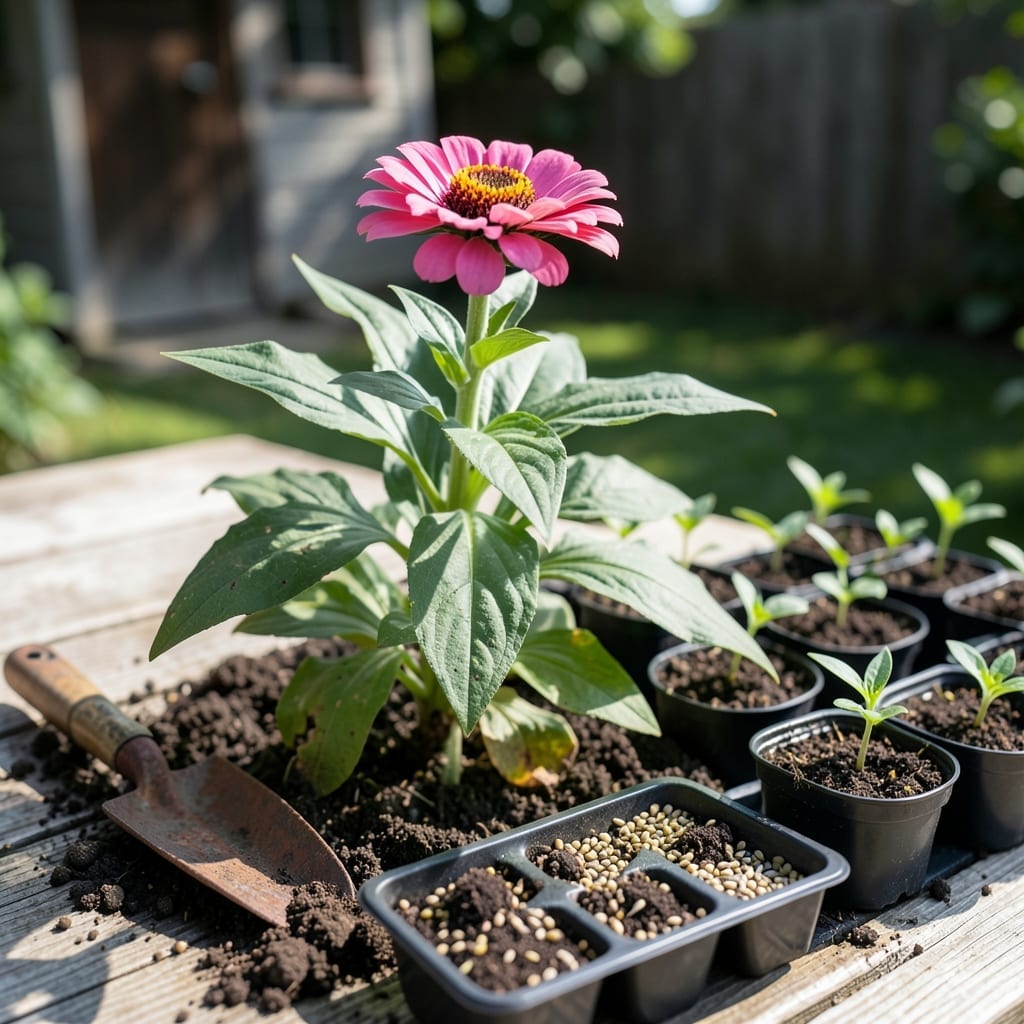
Colorado’s unpredictable climate can make timing your 🌼 Zinnia seeds tricky. One week it’s warm and sunny, the next you’re facing a surprise frost warning. Getting the timing right means the difference between struggling seedlings and vibrant blooms.
I’ve learned through trial and error that planting too early can spell disaster for these warmth-loving flowers. The key is waiting until the soil has warmed and the threat of frost has passed.
For most of Colorado, that sweet spot falls between April and May. But elevation and microclimates can shift this window significantly. Let me show you how to pinpoint the perfect time for your specific area.
Discover the frost-free schedule that will give your Zinnia the strongest start possible. Your garden will thank you with an explosion of color come summer.
Colorado’s diverse USDA zones from 3 to 7 mean planting times vary widely. In zone 5b (Denver area), you’ll want to wait until after the last frost, typically around May 15. The soil needs to be warm, ideally above 60°F, for the best germination results. 🌱
For higher elevations like zone 3 (mountain regions), the window shifts later, often into early June. Meanwhile, zone 7 areas, such as parts of the Western Slope, can start as early as mid-April. Always check your local frost dates to be sure. 🌿
| Zone | Last Frost Date | Planting Window |
|---|---|---|
| 3 | June 1 | Early June |
| 5b | May 15 | Mid-May to early June |
| 7 | April 15 | Mid-April to early May |
In the Front Range, microclimates can create pockets where you can plant zinnias a week or two earlier. I’ve found that south-facing slopes warm up faster, so they’re ideal for an early start. Just be ready to cover young plants if a late frost threatens. ☀️
For the High Plains, the key is patience. The soil temperature lags behind air temperature, so even if the air feels warm, the ground might not be ready. I recommend using a soil thermometer to confirm it’s at least 60°F at a depth of 2 inches. 🌡️
The Western Slope benefits from a milder climate, but its low humidity means you’ll need to monitor soil moisture closely. Zinnias thrive here, but they’ll need consistent watering until established. I’ve had great success planting in late April in this region. 💧
If you’re eager to get a head start, consider starting seeds indoors about 4-6 weeks before your last frost date. This works well in cooler zones but requires careful hardening off before transplanting. Just be sure not to crowd the seedlings, as zinnias dislike being root-bound. 🪴
Elevation plays a huge role in Colorado. For every 1,000 feet increase in elevation, the temperature drops by about 3-5°F. This means if you’re gardening at 7,000 feet, your planting window could be 2-3 weeks later than at 5,000 feet. Always adjust for your specific conditions. 🌳
Another tip: zinnia varieties matter. Some, like ‘Benary’s Giant’, are more cold-tolerant and can handle a light frost, while others, such as ‘Profusion’ series, prefer warmer soil. Check the seed packet for specific recommendations. I always keep a few cold-hardy varieties on hand for Colorado’s finicky springs. 🌼
Finally, don’t forget to acclimate your plants if you’re transplanting seedlings. A week of gradually increasing outdoor exposure helps prevent transplant shock. I’ve learned the hard way that skipping this step can set your zinnias back by weeks. ✂️
Colorado’s clay-heavy soil can be tough on zinnia seeds, but with the right prep, you’ll create an ideal bed for vibrant blooms. I always start by testing my soil’s pH level—zinnias prefer a range of 6.0 to 7.5. 🌱
A soil test kit from your local garden center will give you accurate results. If the pH is too low, I add lime to raise it. For high pH, sulfur can help bring it down to the sweet spot for zinnias. 🌿
Next, I tackle soil compaction, a common issue in Colorado. Using a garden fork, I loosen the soil to at least 12 inches deep. This helps zinnia roots penetrate easily and access water and nutrients. ☀️
After loosening, I mix in 2-3 inches of compost to boost fertility. Zinnias are heavy feeders, so this step is crucial. For extra drainage, I add a bit of coarse sand or perlite, especially in clay-rich areas. 💧
Finally, I rake the bed smooth and remove any rocks or debris that could hinder seed contact with the soil. A light watering before planting helps settle the soil. I’ve found this prep work pays off with faster germination and healthier plants. 🪴
If your soil is particularly poor, consider raised beds. They warm up faster in spring and give you more control over soil quality. I’ve had great success with zinnias in raised beds filled with a mix of garden soil, compost, and peat moss. 🌼