
Beautiful Plants For Your Interior
Beautiful Plants For Your Interior
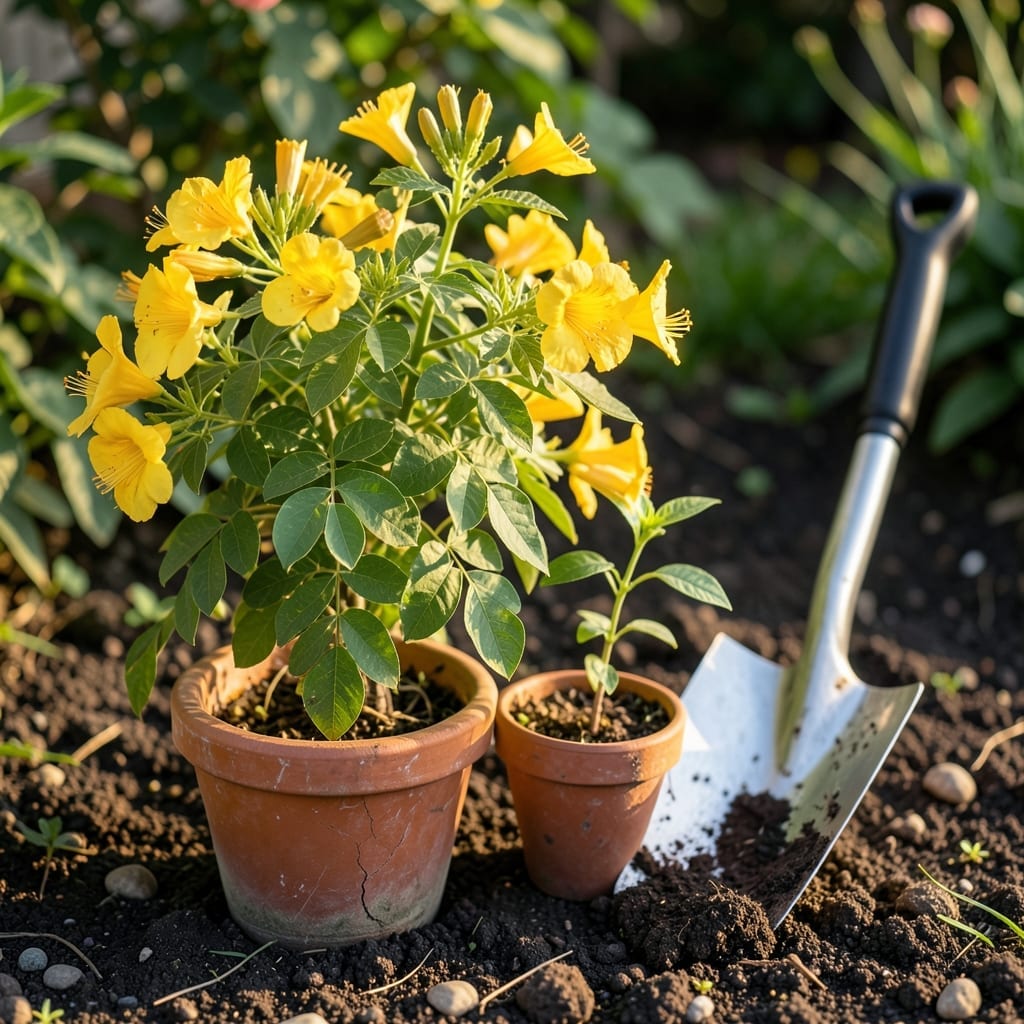
Timing is everything when planting Yellow Bells in Arizona’s harsh desert climate. Plant too early or too late, and your vibrant 🌼 Tecoma stans may struggle to thrive.
I’ve learned the hard way that this shrub needs the right conditions to flourish. The desert’s extreme heat and sparse rainfall demand precision in timing.
In USDA Zone 9b, the window between February and April offers the best chance for success. This period avoids both frost and scorching summer temperatures.
Discover how to align your planting schedule with Arizona’s unique climate. Your garden will thank you with bursts of golden blooms.
In Arizona’s desert climate, timing your Yellow Bells planting is critical. The ideal window is late winter to early spring, typically February through April. This avoids both frost and extreme summer heat.
I’ve found that soil temperature matters most. Aim for 60-70°F at planting depth. In Zone 9b, this usually aligns with late February. The shrub needs time to establish roots before summer’s intensity. 🌱
| Season | Planting Suitability | Key Consideration |
|---|---|---|
| Spring (Feb-Apr) | ✅ Best | Avoid late April heat |
| Summer (May-Aug) | ❌ Avoid | Extreme heat stress |
| Fall (Sep-Oct) | ⚠️ Possible | Allow 6 weeks before frost |
| Winter (Nov-Jan) | ❌ Avoid | Frost risk |
High desert areas like Flagstaff have a shorter window. Here, May through June works better due to later frosts. Always check your local frost dates and adjust accordingly.
The Tecoma stans thrives in well-draining soil. I recommend amending heavy clay with compost or sand before planting. This prevents root rot in our occasional heavy rains. 🪴
For container planting, the rules are similar but more flexible. You can start earlier in protected patios or move pots to shade during peak summer. Just ensure containers have drainage holes.
Remember that afternoon shade is beneficial in the low desert. While Yellow Bells loves full sun, protection from the harshest rays helps during establishment. I’ve seen better survival rates with this approach. ☀️
Watering deeply after planting encourages root growth. In Arizona, I water twice weekly for the first month, then taper off. The goal is to train roots to grow deep for drought tolerance.
Watch for signs of stress like wilting or yellowing leaves. These often indicate water issues or poor drainage. In our climate, it’s usually better to under-water than over-water this drought-tolerant shrub.
Finally, mulching helps retain moisture and regulate soil temperature. I use 2-3 inches of organic mulch, keeping it away from the trunk. This simple step can make a big difference in Arizona’s challenging conditions. 🌿
Planting Yellow Bells in Arizona requires careful attention to the desert’s extreme conditions. I’ve found that early morning planting helps reduce transplant shock in our hot climate. The key is timing it right to avoid stress.
This shrub thrives with full sun exposure and well-draining soil. In Arizona’s USDA Zone 9b, the soil often needs amending to improve drainage and nutrient retention for best results.
I recommend watering deeply but infrequently to encourage strong root growth. Drought-tolerant once established, Yellow Bells still need consistent moisture during their first growing season in the desert.
The ideal planting months of February through April align perfectly with Arizona’s mild spring temperatures. This timing gives roots a chance to establish before the summer heat arrives.
For soil preparation, I mix in compost and sand to improve drainage. Yellow Bells hate soggy roots, so well-draining soil is non-negotiable in our clay-heavy desert soils.
Finally, remember that morning sun is gentler than the harsh afternoon rays. Position your plants where they’ll get 6+ hours of sunlight without being scorched during the hottest part of the day. ☀️