
Beautiful Plants For Your Interior
Beautiful Plants For Your Interior
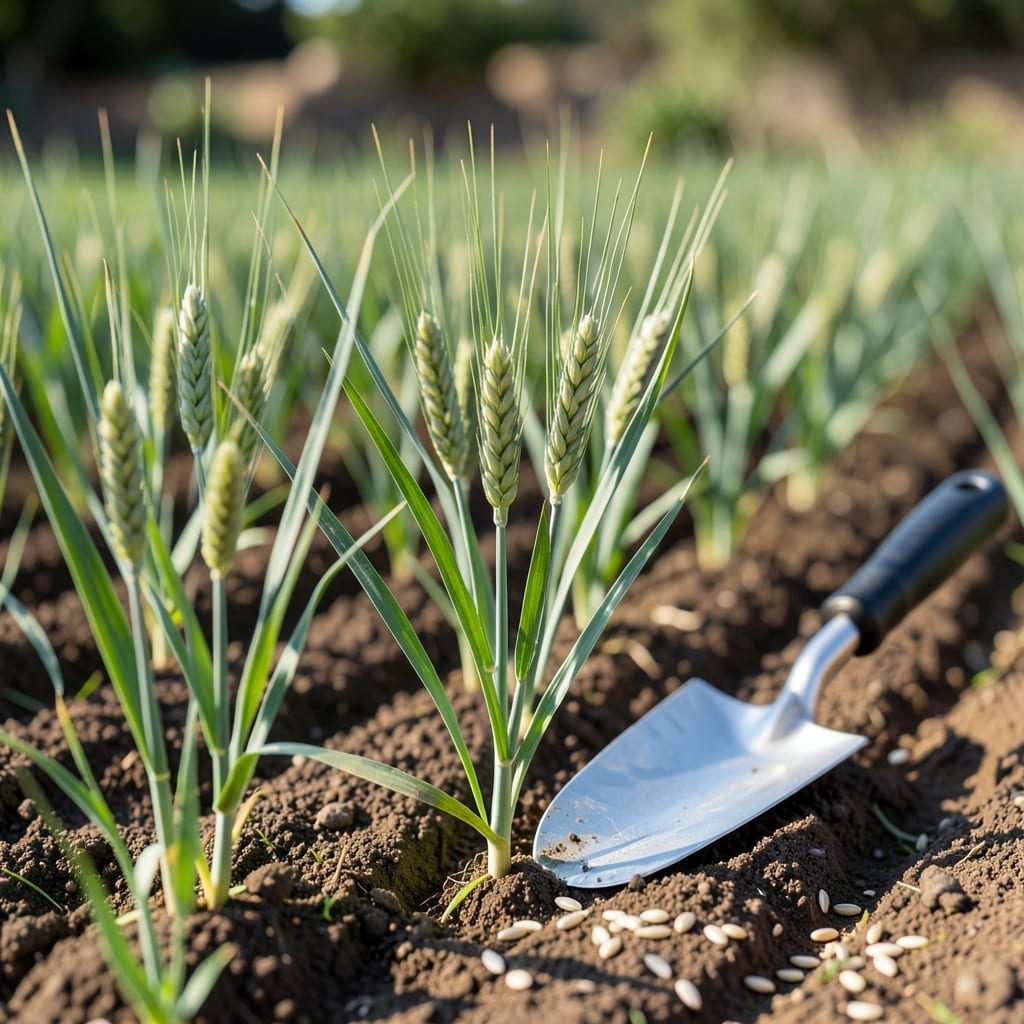
Timing is everything when it comes to growing Winter Wheat in Texas. Plant too early or too late, and you risk poor germination or weak stands that never reach their full potential.
The Lone Star State’s unique climate demands precision, especially in USDA zone 8a. Whether you’re a seasoned farmer or a backyard gardener, nailing the planting window can make or break your harvest.
I’ve seen firsthand how even a few weeks can determine success. The 🌾 Winter Wheat thrives when planted in fall, but the exact timing depends on your region and soil conditions.
Discover the ideal schedule and expert tips to ensure your crop gets the strongest start possible. Let’s dig into what works best for Texas growers.
Texas spans multiple USDA hardiness zones, so the ideal winter wheat planting window shifts by region. In North Texas, aim for mid-October to early November to allow roots to establish before winter.
For Central Texas, late October through mid-November works best, while South Texas growers can plant as late as early December due to milder winters.
| Region | Planting Window | Soil Temp | Notes |
|---|---|---|---|
| North Texas | Mid-Oct to Early Nov | 60-65°F | Avoid early frost risk |
| Central Texas | Late Oct to Mid-Nov | 60-65°F | Balanced climate zone |
| South Texas | Late Nov to Early Dec | 65-70°F | Longer growing season |
I’ve found that soil temperature is the most critical factor—winter wheat seeds need 60-65°F to germinate properly. Use a soil thermometer to confirm conditions before planting.
In North Texas, the first hard frost often hits by mid-November, so planting by late October gives roots time to establish. This region’s cold winters demand early preparation.
Central Texas benefits from a moderate climate, allowing a slightly wider window. However, drought stress can occur, so ensure adequate moisture at planting.
South Texas growers enjoy the longest planting window, but watch for pest pressures like aphids and armyworms in warmer months. A late November start often yields the best results.
For all regions, seed depth matters—1 to 1.5 inches is ideal. Planting too shallow risks poor root anchorage, while too deep may cause weak emergence.
I always recommend testing soil pH before planting. Winter wheat thrives in slightly acidic to neutral soil (pH 6.0-7.5). Amend with lime if needed to adjust levels.
🌱Finally, variety selection impacts timing. Early-maturing varieties can be planted later, while late-maturing types need an earlier start. Check seed labels for days to maturity guidelines.
By aligning your planting schedule with these regional and environmental factors, you’ll set your winter wheat crop up for strong growth and a bountiful harvest come spring.
☀️Getting winter wheat timing right in Texas means watching soil temperature closely. I aim for 60-65°F at planting depth—this ensures rapid germination without heat stress. Texas’ varied climate demands attention to local conditions. 🌱
Another critical factor is first frost dates. In most regions, I plant 6-8 weeks before the first hard frost. This gives roots time to establish before winter dormancy sets in. Early planting risks pest pressure, while late planting may miss the growth window.
I always check soil moisture before planting. Winter wheat needs consistent moisture for germination, but waterlogged soil can rot seeds. A simple soil test kit helps me confirm conditions are right. In dry spells, I may delay planting until rain is forecast. 🌿
Your wheat variety matters too. Early-maturing types work best in South Texas, where winters are milder. In the Panhandle, I opt for cold-hardy varieties that withstand harsher freezes. Local agricultural extensions often have region-specific recommendations.
Finally, weather patterns can override general guidelines. If an early cold snap is forecast, I might plant a bit earlier. Conversely, a late summer heatwave could push my planting date back. Staying flexible is key. ✂️
By balancing these factors—temperature, moisture, variety, and weather—I set my winter wheat up for success. It’s not just about picking a date; it’s about reading the land and the forecast. 🌾