
Beautiful Plants For Your Interior
Beautiful Plants For Your Interior
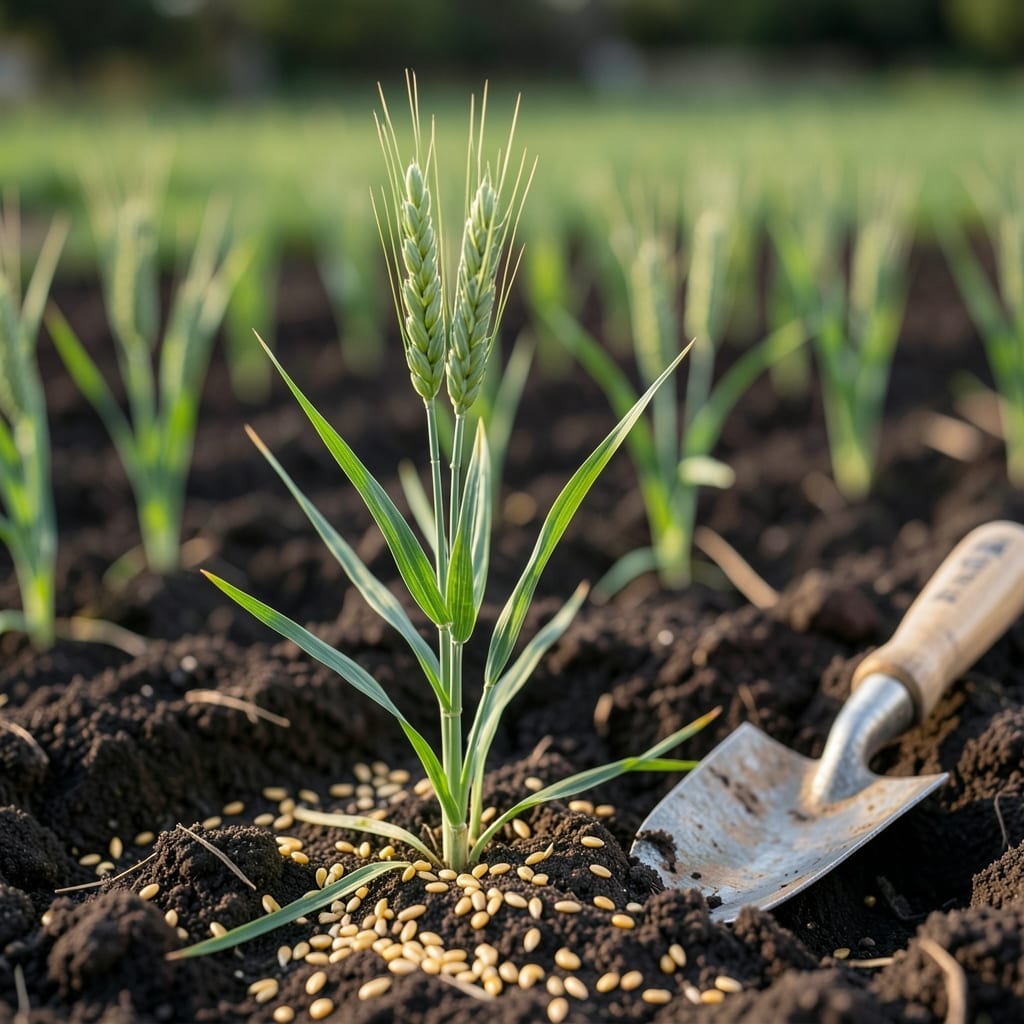
Timing your Winter Wheat planting in Pennsylvania can make or break your harvest. 6a zone growers know this cool-season crop demands precision.
Pennsylvania’s climate offers a narrow window where soil conditions and temperature align perfectly. Miss it, and you risk poor germination or winterkill.
I’ve seen farmers struggle when they plant too early or too late. The difference between success and disappointment often comes down to a few weeks.
Let me show you exactly when to get 🌾 Winter Wheat in the ground for the best results. The timing is everything, and I’ll walk you through it.
Getting winter wheat in the ground at the right time in Pennsylvania is crucial. This cool-season crop thrives when planted 6-8 weeks before the first hard frost, allowing roots to establish before winter dormancy sets in.
In most of PA, that means aiming for mid-September to early October. The soil temperature should be between 50-60°F for optimal germination and early growth. 🌾
| Region | Optimal Planting Window | Soil Temp Requirement | Hessian Fly-Free Date |
|---|---|---|---|
| Southeast PA | Sept 15 – Oct 5 | 50-60°F | Sept 22 |
| Central PA | Sept 20 – Oct 10 | 50-60°F | Sept 25 |
| Northwest PA | Sept 25 – Oct 15 | 50-60°F | Sept 30 |
I always remind fellow growers that early planting is better than late. Winter wheat needs time to develop a strong root system before the ground freezes. This helps the crop survive winter and resume growth quickly in spring.
Planting too early, however, can attract Hessian fly infestations. That’s why I follow the fly-free date for my county, which varies slightly across the state. The table above shows these critical dates for each region.
For soil preparation, I test my soil’s pH and ensure it’s between 6.0 and 7.0. Winter wheat prefers well-draining loam but can tolerate a range of soil types if properly amended.
If you’re in Zone 6, like much of central PA, late September is your sweet spot. In warmer Zone 7 areas near Philadelphia, you might push planting to early October without issue. 🌱
I’ve found that seed depth matters too. Aim for 1 to 1.5 inches deep. Shallow planting can lead to poor germination, while too deep may delay emergence and weaken seedlings.
Don’t forget to consider your preceding crop. Winter wheat does well after soybeans or corn, but avoid planting after another small grain to reduce disease risk.
Finally, monitor the 10-day forecast before planting. If heavy rains are expected, it’s often better to wait for drier conditions to prevent crusting, which can hinder seedling emergence. 🌿
Planting winter wheat in Pennsylvania isn’t just about picking a date—it’s about reading the land. I’ve learned that soil temperature and moisture levels can shift your timeline by weeks. Too dry? Wait for rain. Too warm? Risk Hessian fly infestations. Timing is everything for this crop.
The seed variety matters too. Some winter wheat strains handle cold snaps better than others. I always check local extension guides for Pennsylvania-specific recommendations. And don’t forget crop rotation—planting after soybeans or corn can affect your wheat’s success.
Planting too early invites Hessian fly damage.
Planting too late means weak roots before winter.
Ignoring soil tests can lead to nutrient deficiencies.
Weather patterns in Pennsylvania can be unpredictable. I once planted in late September during a warm spell, only to watch October frosts stall growth. Now I aim for mid-September to early October, when soil temps hit that 50-60°F sweet spot.
Your preceding crop impacts planting too. After harvesting corn, I give the field a 2-week rest before seeding wheat. This helps soil recovery and reduces pest carryover. It’s a small step that prevents big problems.
Don’t overlook seed depth. I plant at 1-1.5 inches deep—shallow enough for quick germination but deep enough to avoid winter heaving. And always use high-quality seed with good disease resistance for Pennsylvania conditions.
Finally, watch the Hessian fly-free date for your county. In southeast PA, that’s often early October, while northwest PA might stretch to mid-October. Missing this window can cost you your entire crop. ☀️
I’ve found that soil moisture is just as critical as temperature. Winter wheat needs consistent moisture for germination, but waterlogged soil can rot seeds. Aim for well-draining fields with good organic matter. 🌱