
Beautiful Plants For Your Interior
Beautiful Plants For Your Interior
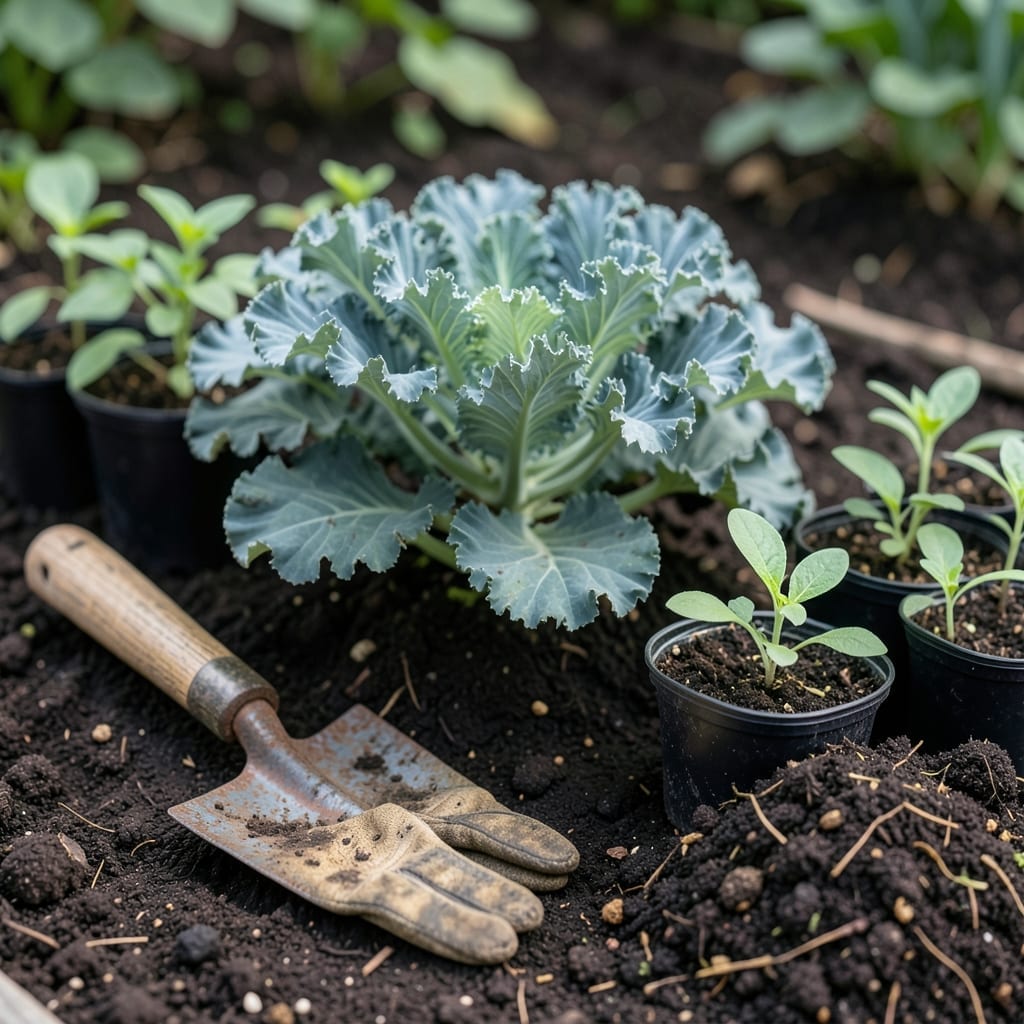
Melbourne’s cool winters offer a perfect window for growing hearty produce, but timing is everything to avoid frost damage or stunted growth.
The 🥬 Winter Vegetables thrive when planted at the right moment in this unique climate. Get it wrong, and you risk losing your crop to unexpected cold snaps.
I’ve tested multiple planting schedules in zone 9b, and what I found will save you from common mistakes. The difference between success and failure often comes down to just a few weeks.
Discover the precise schedule that aligns with Melbourne’s seasonal patterns, so you can enjoy a bountiful harvest without the guesswork.
Melbourne’s cool-season growing window is unique, with winter vegetables thriving when planted at the right time. I’ve found that February through April offers the best conditions for most crops.
The city’s mild winters and moderate frost risk mean you’ll need to align planting with temperature patterns and daylight hours for optimal growth. Early planting can lead to bolted crops, while late planting may not mature in time.
| Month | Vegetables to Plant | Notes |
|---|---|---|
| January | Peas, Spinach | Early start for fast growers |
| February | Kale, Broccoli, Cabbage | Ideal for frost-tolerant crops |
| March | Brussels Sprouts, Leeks, Carrots | Plant 6-8 weeks before frost |
| April | Beets, Parsnips, Swiss Chard | Last chance for root crops |
In February, I focus on leafy greens like kale and spinach, as they establish quickly and tolerate light frosts. These crops can handle Melbourne’s temperature drops without much protection.
By March, it’s time for Brussels sprouts and leeks. These need a longer growing season, so planting them early ensures they’ll mature before the coldest months arrive.
April is your final opportunity to plant root vegetables like carrots and beets. These crops grow slowly, so starting them in early autumn gives them enough time to develop.
Remember, soil temperature is just as important as air temperature. I always check that my soil is at least 10°C (50°F) before planting. Using a soil thermometer can save you from planting too early.
For frost-sensitive areas in Melbourne, consider using row covers or cloches to protect young plants. This is especially important for early plantings in January or February.
Finally, succession planting is key for a continuous harvest. I plant small batches of fast-growing vegetables like radishes and lettuce every 2-3 weeks to ensure a steady supply.☀️
Melbourne’s cool winters are perfect for growing hardy vegetables that thrive in lower temperatures. I’ve found that frost-tolerant varieties like kale and Brussels sprouts perform exceptionally well here.
These crops not only survive but often taste sweeter after a light frost. The key is choosing slow-growing vegetables that can mature during Melbourne’s shorter daylight hours and cooler conditions.
I always prioritize kale in my garden because it’s incredibly versatile and low-maintenance. It can handle temperatures as low as -15°C (5°F) and actually becomes sweeter after frost.
Brussels sprouts are another favorite, but they require patience. Plant them in March to give them enough time to mature before winter. They need consistent moisture and fertile soil to produce well.
For quick harvests, I recommend spinach and lettuce. These leafy greens grow rapidly and can be harvested multiple times. Just ensure they’re planted in well-draining soil to prevent rot.
Don’t overlook root vegetables like carrots and parsnips. These crops store well in the ground and can be harvested as needed throughout winter. Just