
Beautiful Plants For Your Interior
Beautiful Plants For Your Interior
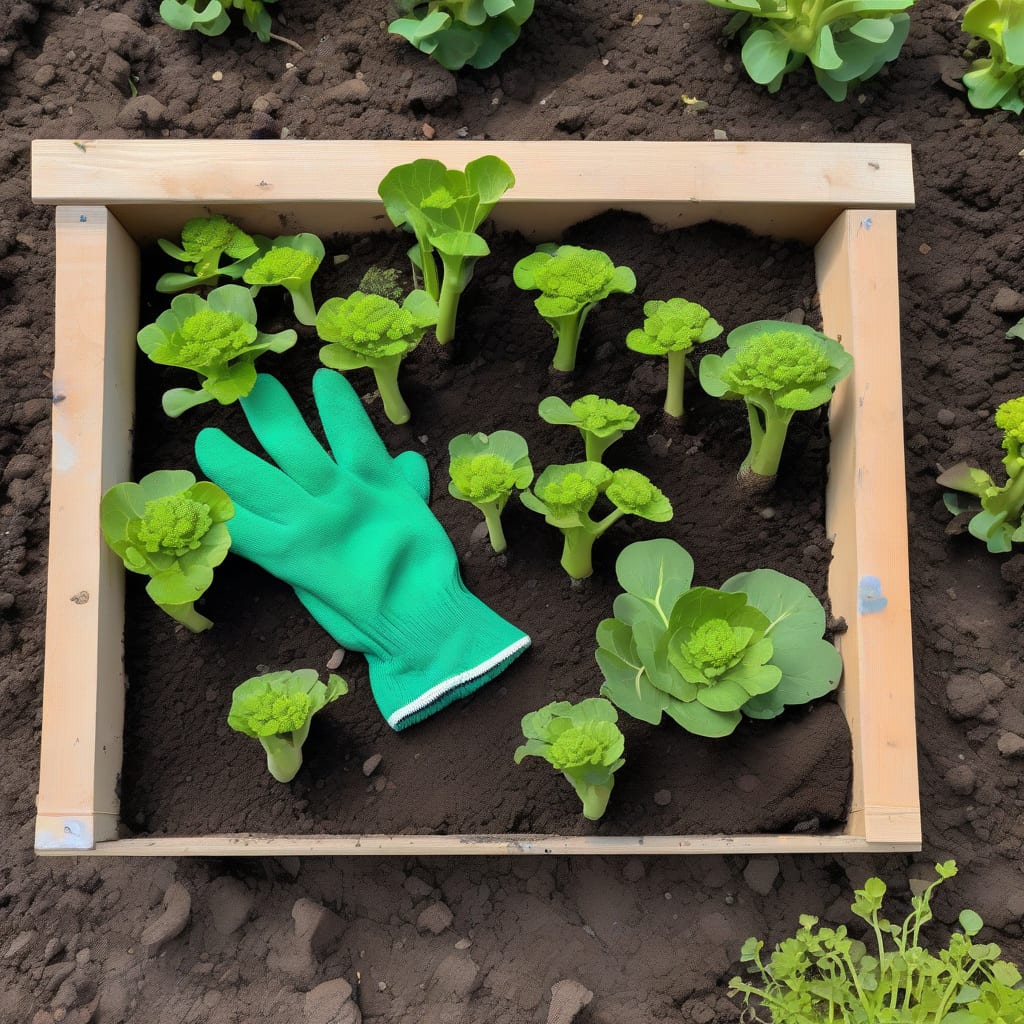
California’s mild winters make it perfect for growing Winter Vegetables 🥕, but timing is everything. Planting at the right moment ensures a bountiful harvest from November to March.
In California’s USDA Zone 10, the ideal planting window is from August to November. I’ll guide you through the best practices for a successful winter vegetable garden, helping you make the most of your California garden.
California’s diverse climate zones require a strategic approach to planting winter vegetables. The ideal planting window varies across regions, but generally falls between August and November. Understanding the specific planting times for your area is crucial for a successful winter harvest 🌿.
In California, the winter vegetable planting season can be broken down into different periods based on the region’s climate. For the coastal areas, planting can start as early as August, while inland regions may plant later in the fall. This staggered planting schedule allows for a continuous harvest throughout the winter months 🎃.
The coastal regions of California, including areas like Santa Barbara and Monterey, benefit from the mild climate, allowing for earlier planting. In these regions, gardeners can start planting cool-season crops like Brussels sprouts and kale as early as August. The moderate temperatures and ample moisture create ideal conditions for these vegetables to thrive 🌟.
Inland areas, such as the Central Valley, experience hotter summers and colder winters. Here, gardeners should plant winter vegetables in late September or early October, after the intense summer heat has subsided but before the first frost. Vegetables like lettuce, spinach, and broccoli are excellent choices for these regions, as they can tolerate the occasional frost and continue to produce throughout the winter 🥗.
For mountainous regions, the growing season is shorter, and the winters are typically colder. Gardeners in these areas should focus on hardy, cold-tolerant vegetables like carrots and perennials. like kale and Brussels sprouts that can survive the harsh winter conditions ❄️.
Understanding the local climate and frost dates is essential for determining the best planting times. Gardeners should also consider factors like soil temperature and moisture levels when planning their winter vegetable garden. By aligning planting schedules with these conditions,aira can maximize their chances of a bountiful winter harvest 🌼.
To make the most of California’s winter vegetable growing season, it’s also important to select varieties that are well-suited to the local climate. Many seed catalogs and local nurseries provide guidance on the best varieties for different regions. By choosing the right vegetables and planting them at the appropriate time, gardeners can enjoy a diverse and productive winter garden 🏠.
In addition to selecting the right vegetables, preparing the soil properly is crucial for a successful winter garden. This includes adding organic matter like compost to improve soil structure and fertility. Raised beds can also be beneficial, as they warm up faster in the spring and provide better drainage during the wet winter months 🌿.
Overall, the key to a thriving winter vegetable garden in California is careful planning and attention to the specific needs of the plants. By understanding the climate, selecting appropriate varieties, and preparing the soil, gardeners can enjoy a productive and rewarding winter gardening experience 🌻.
California’s diverse climate zones offer a unique opportunity to grow a wide variety of winter vegetables. The state’s mild winters allow for multiple planting seasons, making it possible to enjoy a continuous harvest throughout the winter months 🎃.
The coastal regions of California are ideal for growing cool-season crops like Brussels sprouts, kale, and broccoli. These areas experience mild winters, with temperatures rarely dropping below freezing. Gardeners in these regions can plant these vegetables as early as August, allowing for a fall and winter harvest 🌟.
Inland regions, such as the Central Valley, experience colder winters compared to the coastal areas. Gardeners in these regions should focus on planting cold-hardy vegetables like lettuce, spinach, and radishes. These vegetables can tolerate light frosts and continue to produce throughout the winter ❄️.
For mountainous regions, the growing season is shorter, and winters are typically colder. Gardeners in these areas should choose hardy, cold-tolerant vegetables like kale and Brussels sprouts. These vegetables can survive harsh winter conditions and provide a bountiful harvest ❄️.
To maximize the winter harvest, gardeners should also consider factors like soil preparation and frost protection. Adding organic matter like compost can improve soil structure and fertility, while using row covers can protect plants from frost damage 🌼.
By selecting the right vegetables for their specific climate zone and following best practices for winter gardening, California gardeners can enjoy a productive and rewarding winter garden 🏠.
To ensure a successful winter vegetable garden in California, it’s essential to prepare your soil properly. Adding organic matter like compost can improve soil structure and fertility, while raised beds can provide better drainage during the wet winter months 🌿.
For optimal results, plant winter vegetables 8-10 weeks before the first frost date. This allows them to establish themselves before the cold weather sets in ❄️.
Frost protection is another critical aspect of winter vegetable gardening in California. Using row covers can help protect plants from frost damage, while bringing tender plants indoors can help them survive the cold temperatures 🌟.
Pest management is also important during the winter months. Keep an eye out for pests like aphids and slugs, and use organic pest control methods whenever possible 🐜.
By following these tips and being mindful of the specific needs of your winter vegetable garden, you can enjoy a bountiful harvest throughout the winter months 🎃.
Additionally, consider planting a mix of cool-season crops to ensure a diverse and resilient garden. This can include a combination of brassicas, root vegetables, and leafy greens, which can thrive in California’s mild winters 🌼.
With careful planning and attention to detail, you can create a thriving winter vegetable garden in California that provides fresh produce throughout the winter months 🥗.
For more specific guidance on winter vegetable gardening in California, consult with local nurseries or gardening experts who can provide advice tailored to your specific region and climate 🏠.
The ideal time to plant winter vegetables in California varies by region. For coastal areas, start planting in August or September. In inland regions, plant in September or October. Mountainous areas should plant in July or August for a fall harvest.
California’s mild winters allow for a variety of cool-season crops. Excellent choices include Brussels sprouts, kale, broccoli, lettuce, and spinach. These vegetables thrive in California’s cool winters and can be planted in late summer to early fall.
To protect your winter vegetables from frost, use row covers to cover your plants. You can also bring tender plants indoors or use other frost protection methods like cold frames or hoop houses. For added protection, water your plants thoroughly before a frost event, as moist soil retains heat better.
Yes, you can grow winter vegetables in containers in California. Choose containers with good drainage and use a well-draining potting mix. Most winter vegetables require at least 6 hours of direct sunlight per day, so place your containers accordingly. Containers can be moved to protected areas during extreme cold snaps.
