
Beautiful Plants For Your Interior
Beautiful Plants For Your Interior
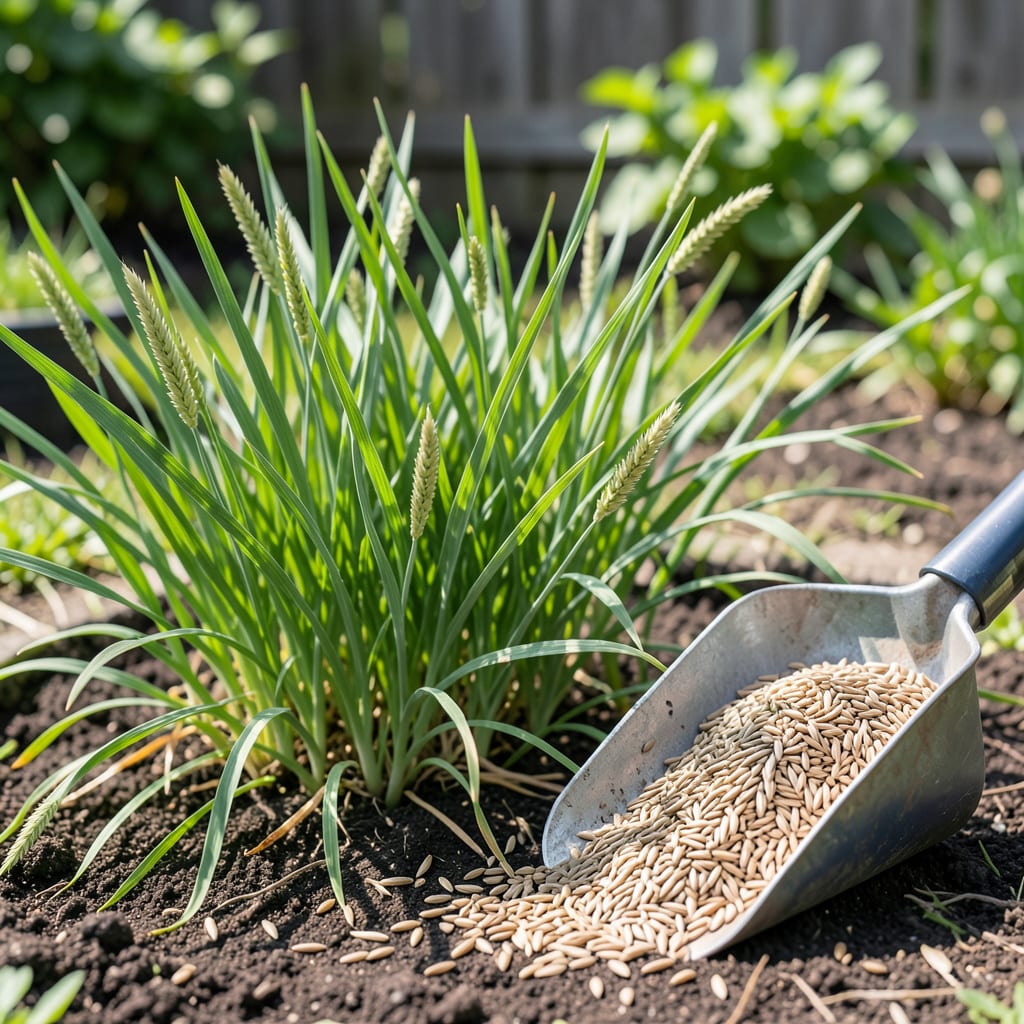
Arizona’s desert climate makes maintaining a lush lawn challenging, but planting Winter Grass 🌿 at the right time can transform your yard. In Arizona’s 9b zone, the ideal planting window is September to November, allowing the grass to establish before winter.
Understanding the best planting time is crucial for a healthy lawn. I’ll guide you through preparing your Arizona lawn for Winter Grass and provide tips for successful cultivation.
Understanding the best time to plant winter grass in Arizona is crucial for a lush lawn during the cooler months. Arizona’s desert climate presents unique challenges, but with the right timing, you can achieve a healthy and vibrant winter lawn 🌿.
The ideal time to plant winter grass in Arizona is during the fall season, specifically between September and November. This period allows the grass to establish itself before the onset of winter, ensuring a strong root system and healthy growth 🌱.
By planting winter grass during this optimal window, you can take advantage of the cooler temperatures and increased rainfall typical of Arizona’s fall season. This timing helps the grass establish a strong root system, making it more resilient to the occasional frost and colder temperatures that follow 🌟.
The USDA zone 9b designation for much of Arizona means that winter grass can thrive with proper care. Understanding these climate conditions is key to selecting the right type of winter grass and preparing your lawn for the planting season 📚.
Temperature is a critical factor when planting winter grass in Arizona. The ideal temperature for germination and establishment is between 60°F and 75°F, which is typical during the fall months. This temperature range promotes healthy growth and development 🌱.
Rainfall patterns also play a significant role in the success of winter grass in Arizona. While the fall season generally sees increased rainfall compared to the hot summer months, it’s essential to supplement with irrigation as needed to ensure consistent moisture 🌧️.
In addition to temperature and rainfall, frost patterns are another important consideration. Arizona typically experiences its first frost around December 1, so planting winter grass at least 6-8 weeks before this date is crucial for allowing the grass to establish before colder weather sets in ❄️.
By understanding these factors and planning accordingly, you can successfully plant and maintain a healthy winter lawn in Arizona. Proper timing, combined with appropriate care and maintenance, will result in a lush, green lawn throughout the winter months 🌿.
To further optimize your winter grass planting, consider factors such as soil preparation and seed selection. Properly preparing your soil and choosing a winter grass variety suitable for Arizona’s climate will enhance the success of your planting efforts 🌟.
Overall, the key to a successful winter grass planting in Arizona is careful planning and attention to the specific needs of your lawn. By following these guidelines and understanding the optimal timing for planting, you can enjoy a vibrant and healthy winter lawn 🌿.
Proper preparation is key to successful winter grass planting in Arizona’s desert climate. I recommend starting with soil preparation to create an ideal environment for your new lawn 🌿.
First, test your soil type and pH level. Arizona soils often require amendments to improve drainage and nutrient content. Based on your soil test results, add necessary organic matter or fertilizers to create optimal growing conditions 📊.
Clear your lawn of any debris, weeds, or existing grass. This can be done through physical removal or using a non-selective herbicide. Ensure the area is completely clear before proceeding 🌱.
Till the soil to a depth of 8-10 inches to loosen it and improve drainage. This step is crucial for root development and overall health of your winter grass 🌟.
Ensure your lawn is evenly graded to prevent waterlogging and ensure uniform growth. Use a rake or lawn leveler to achieve a smooth surface 🌿.
Next, choose the right winter grass seed for Arizona’s climate. Popular options include Rye Grass and other cool-season grasses that thrive in the state’s winter conditions. Consider factors like drought tolerance and shade tolerance when making your selection 🌟.
Seeding rates vary depending on the type of grass you’re planting. Generally, you’ll want to apply 1-2 pounds of seed per 1,000 square feet. Ensure even coverage by dividing your lawn into sections and applying seed accordingly 🌿.
After seeding, apply a starter fertilizer to promote healthy root development. Water your newly seeded lawn lightly but frequently to keep the soil moist until germination occurs. This typically takes 7-14 days, depending on the grass type and weather conditions ☁️.
By following these steps and preparing your lawn properly, you’ll be well on your way to a lush, green winter lawn in Arizona.
For optimal results, continue to monitor your lawn’s health and adjust your care routine as needed. With the right preparation and maintenance, your winter grass will thrive in Arizona’s desert climate, providing a beautiful and vibrant lawn throughout the cooler months 🌿.
Maintaining your winter grass in Arizona’s desert climate requires careful attention to watering, mowing, and fertilization. Proper care will ensure a lush, green lawn throughout the winter months 🌿.
Watering is crucial during the establishment phase. Water your newly planted winter grass lightly but frequently to keep the soil consistently moist. As the grass establishes, you can gradually reduce the frequency of watering to once or twice a week, depending on weather conditions ☁️.
Water your winter grass in the early morning to minimize evaporation and reduce the risk of fungal diseases. Avoid watering in the evening as it can promote fungal growth 🌟.
Mowing is another essential aspect of winter grass care. Maintain your mower at a height of 2-3 inches to promote healthy growth and prevent weed invasion. Regular mowing will also help maintain the appearance of your lawn 🌱.
Fertilization should be done judiciously. Apply a balanced fertilizer (such as 10-10-10 NPK) during the fall season to promote root growth and overall health. Avoid over-fertilizing, as this can lead to weak growth and increased susceptibility to disease 📊.
By following these care guidelines, you can enjoy a vibrant and healthy winter lawn in Arizona.
For additional tips on maintaining your winter grass, consider factors like soil moisture and weed control. Proper management of these factors will further enhance the health and appearance of your lawn 🌟.
Overall, caring for your winter grass in Arizona’s climate involves a combination of proper watering, mowing, and fertilization. By adhering to these guidelines, you can achieve a lush, green lawn that thrives throughout the winter season 🌿.
The ideal temperature for germination and establishment is between 60°F and 75°F, typical during Arizona’s fall months. This range promotes healthy growth and development. Proper soil temperature is crucial for successful germination .
Water your newly planted winter grass lightly but frequently to keep the soil consistently moist. As the grass establishes, you can gradually reduce the frequency to once or twice a week, depending on weather conditions .
No, it’s not recommended to plant winter grass in Arizona during the summer. The ideal time is during the fall season, between September and November, allowing the grass to establish before winter .
Popular options for Arizona include Rye Grass and other cool-season grasses that thrive in the state’s winter conditions. Consider factors like drought tolerance and shade tolerance when selecting a variety .
