
Beautiful Plants For Your Interior
Beautiful Plants For Your Interior
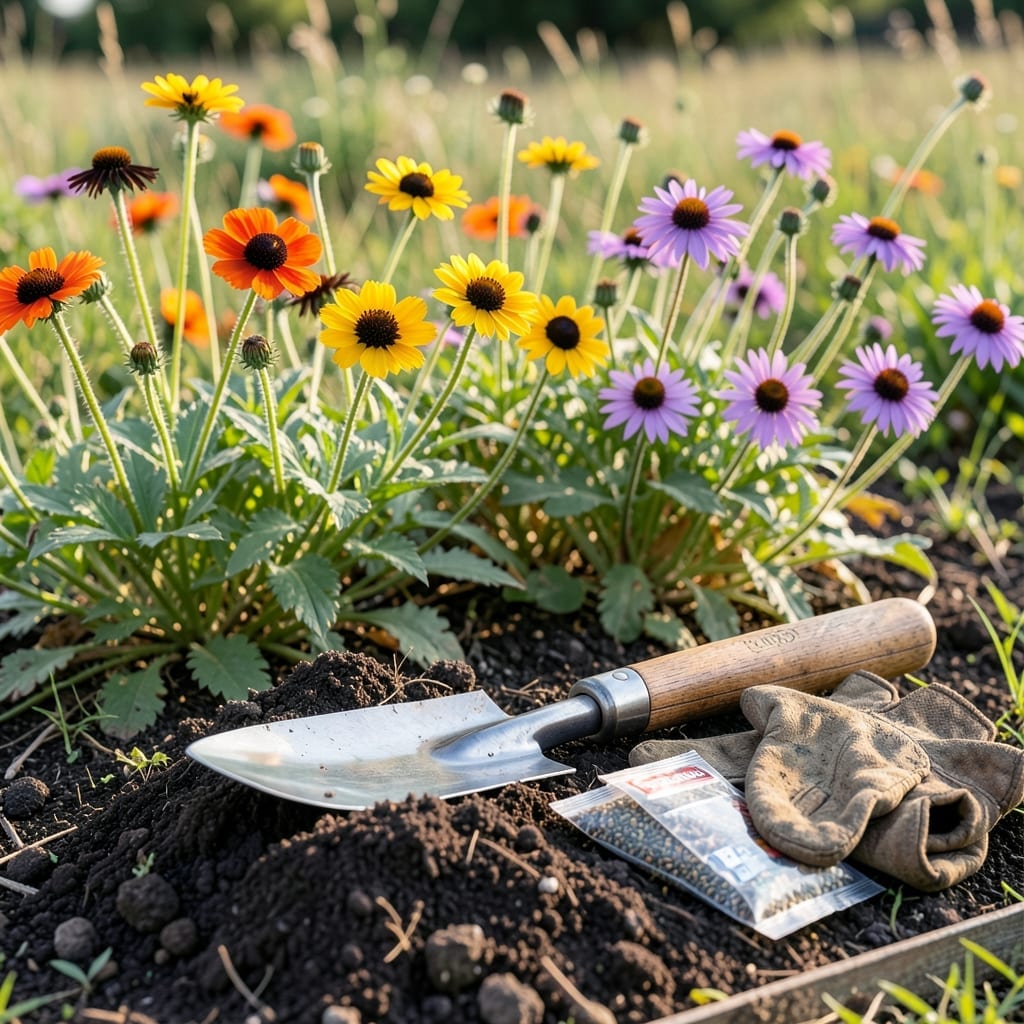
Timing is everything when planting Wildflowers 🌸 in Zone 8—plant too early, and frost may ruin your seeds; too late, and you’ll miss the optimal growing window.
This guide reveals the exact seasonal calendar to maximize blooms and biodiversity in your garden. Whether you’re a beginner or seasoned gardener, getting the timing right makes all the difference.
I’ll walk you through the best months for planting, considering Zone 8‘s unique climate. You’ll discover how to align your efforts with nature’s rhythm for stunning results.
Let’s transform your outdoor space into a vibrant haven with wildflowers that thrive in your region.
In Zone 8, timing your wildflower planting perfectly ensures vibrant blooms and healthy growth. The best windows are early fall or early spring to avoid extreme temperatures and align with natural growth cycles.
I always recommend planting September through November for spring blooms, or March to April for summer color. This timing leverages Zone 8’s mild winters and long growing season.
| Season | Ideal Months | Reason |
| Fall | September-November | Cool soil, spring blooms |
| Spring | March-April | Warm soil, summer color |
| Avoid | June-August | Extreme heat stress |
For fall planting, I prepare the soil in late August to ensure it’s ready. The cool temperatures help seeds establish roots without the stress of summer heat or winter cold.
In spring, wait until after the last frost date (around April 15 in Zone 8). This timing prevents young seedlings from being damaged by unexpected late frosts.
I’ve found that morning planting works best, as it gives seeds time to settle before the midday sun. Always water thoroughly after sowing to help seeds make contact with the soil.
Zone 8’s 210 frost-free days give you flexibility, but avoid planting during peak summer. The intense heat can dry out seeds before they germinate, wasting your effort.
For perennial wildflowers, fall planting is ideal. The seeds will stratify naturally over winter, leading to stronger plants come spring. This method mimics nature’s own planting process.
If you’re planting a wildflower meadow, I suggest dividing your seed into two batches. Plant one in fall and another in spring to extend your bloom season and fill any gaps.
Remember that soil preparation is key. Remove weeds and loosen the top 1-2 inches of soil to create the perfect seedbed. This simple step dramatically improves germination rates.
Finally, be patient—wildflowers often take 60-90 days to bloom, but the wait is worth it when you see your garden burst into color 🌼
Zone 8 gardeners have a fantastic selection of native wildflowers that thrive in our climate. I’ve tested dozens of varieties and found the most reliable performers for consistent color and low maintenance.
For spring planting, Lupine and California Poppy establish quickly and bloom by early summer. These drought-tolerant beauties love our warm days and cool nights.
| Variety | Planting Window | Bloom Period |
| Black-eyed Susan | March-April | June-September |
| Purple Coneflower | September-October | May-July |
| Blue Flax | March or September | April-June |
For fall planting, Indian Blanket and Mexican Hat are excellent choices. These heat-loving annuals will self-seed and return year after year with minimal effort.
I always include Milkweed in my wildflower mixes to support monarch butterflies. Plant in early spring or late fall for best results. It prefers full sun and well-drained soil.
For shady spots, try Columbine or Wild Bergamot. These adaptable perennials do well in Zone 8’s partial shade and add vertical interest to your garden.
Remember that native species require less water and care once established. They’ve evolved to thrive in our specific climate, making them the most sustainable choice for Zone 8 gardens 🌿