
Beautiful Plants For Your Interior
Beautiful Plants For Your Interior
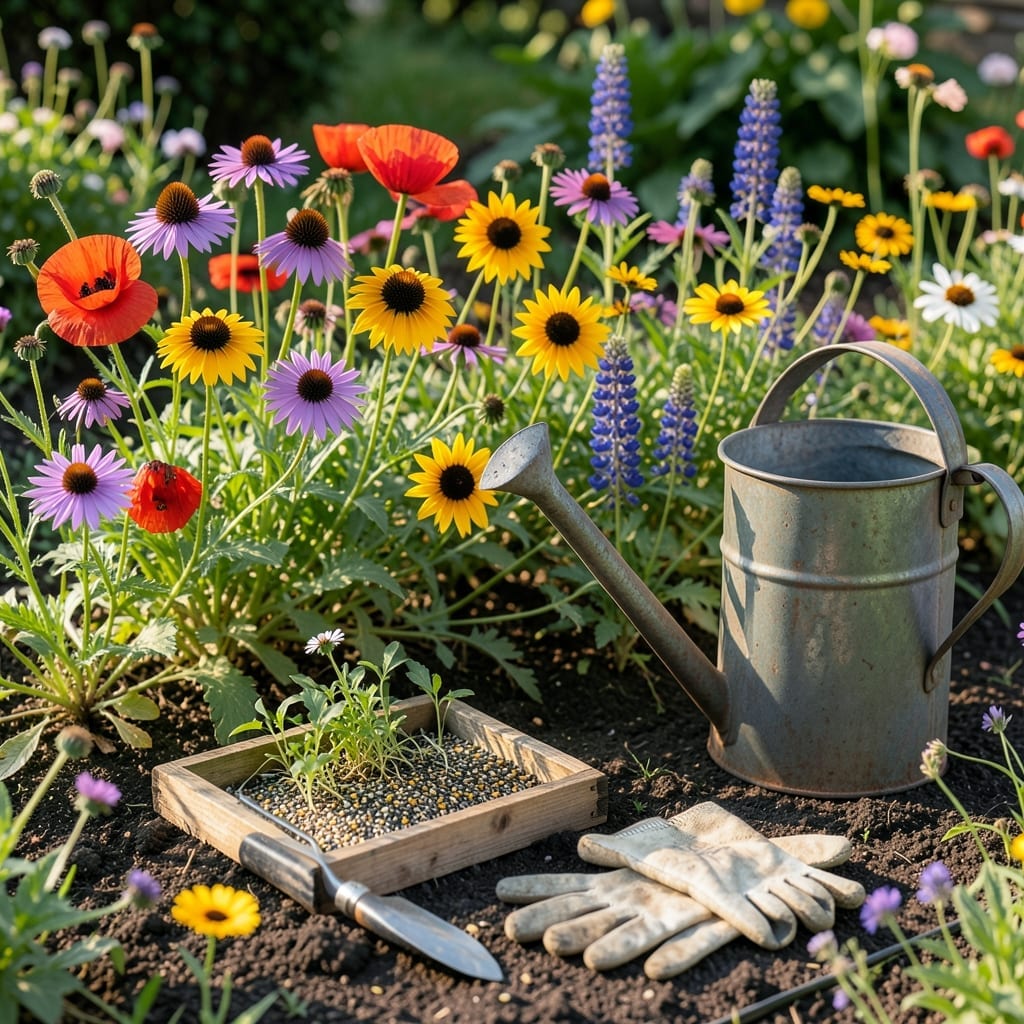
Timing is everything when planting 🌸 Wildflowers in Zone 7, where seasonal shifts can make or break your bloom. Get it right, and you’ll be rewarded with a vibrant, pollinator-friendly display that lasts for months.
I’ve seen firsthand how planting at the wrong time leads to disappointing results. The good news? With the right approach, you can avoid those pitfalls entirely. Zone 7 offers two prime windows that most gardeners overlook.
Whether you’re a seasoned green thumb or just starting out, understanding these timing nuances is the key to success. The difference between a lackluster patch and a stunning wildflower meadow often comes down to just a few weeks.
Discover how to sync your planting with nature’s rhythm for maximum impact. Your garden will thank you with a spectacular show from June through September.
In Zone 7, timing your wildflower planting is critical for vibrant blooms. I’ve found that early spring and fall are the best windows to sow seeds for maximum germination and growth.
The last frost date in Zone 7 is typically around April 15, making March to early May ideal for spring planting. This allows seeds to establish before summer heat sets in.
| Season | Planting Window | Soil Temp | Key Notes |
|---|---|---|---|
| Early Spring | March–April | 50–60°F | After last frost |
| Late Spring | May | 60–70°F | Avoid summer drought |
| Fall | September–October | 50–65°F | 6–8 weeks before first frost |
| Winter | Not Recommended | Below 40°F | Dormant season |
For fall planting, aim for September to early October. This gives seeds time to root before the first frost around November 15, ensuring strong growth next spring.
I always check the soil temperature before sowing. Wildflower seeds need 50–70°F to germinate properly. A simple soil thermometer can save you from planting too early or late.
Spring planting works best for annuals like California Poppy or Cornflower. These thrive in the warming soil and bloom quickly, giving you color by early summer.
For perennial wildflowers like Purple Coneflower or Black-eyed Susan, fall planting is often better. The cooler temps reduce stress and allow roots to establish over winter.
I’ve noticed that fall-sown seeds often bloom earlier the following year. They get a head start as soon as the soil warms up in spring, leading to stronger, more resilient plants.
If you’re planting in late fall,
Remember, Zone 7’s climate can vary. Coastal areas may have milder winters, while inland regions can experience colder snaps. Always adjust your timing based on local conditions.
For the best results, I recommend testing a small patch first. This way, you can observe how different wildflower varieties respond to your specific microclimate before committing to a full garden.
In Zone 7, timing your wildflower planting can vary by species. I’ve found that native wildflowers like Black-eyed Susan and Purple Coneflower thrive when sown in early spring or early fall. This aligns with their natural growth cycles.
Non-native varieties, such as California Poppy or Lupine, often prefer a spring planting after the last frost, around mid-April. Fall planting can work too, but these may need extra protection from early cold snaps.
| Variety | Best Planting Time | Notes |
|---|---|---|
| Black-eyed Susan | March-April or Sept-Oct | Drought-tolerant, full sun |
| Purple Coneflower | April or September | Perennial, pollinator magnet |
| California Poppy | April-May | Fast-growing, needs warmth |
| Lanceleaf Coreopsis | March or October | Long bloom season, low maintenance |
For perennial wildflowers, fall planting gives roots time to establish before winter. This leads to stronger blooms the following spring. I always recommend checking the seed packet for specific needs.
Annual wildflowers like Cosmos or Zinnias do best with spring planting. They’ll germinate quickly and provide season-long color if sown after the last frost date.
Remember that soil preparation is key, regardless of the variety. I clear weeds and loosen the soil to 1-2 inches deep before sowing. This ensures good seed-to-soil contact for better germination.
Finally, consider companion planting to boost pollinator activity. Pairing wildflowers with native grasses creates a balanced ecosystem that supports bees and butterflies. 🌼