
Beautiful Plants For Your Interior
Beautiful Plants For Your Interior
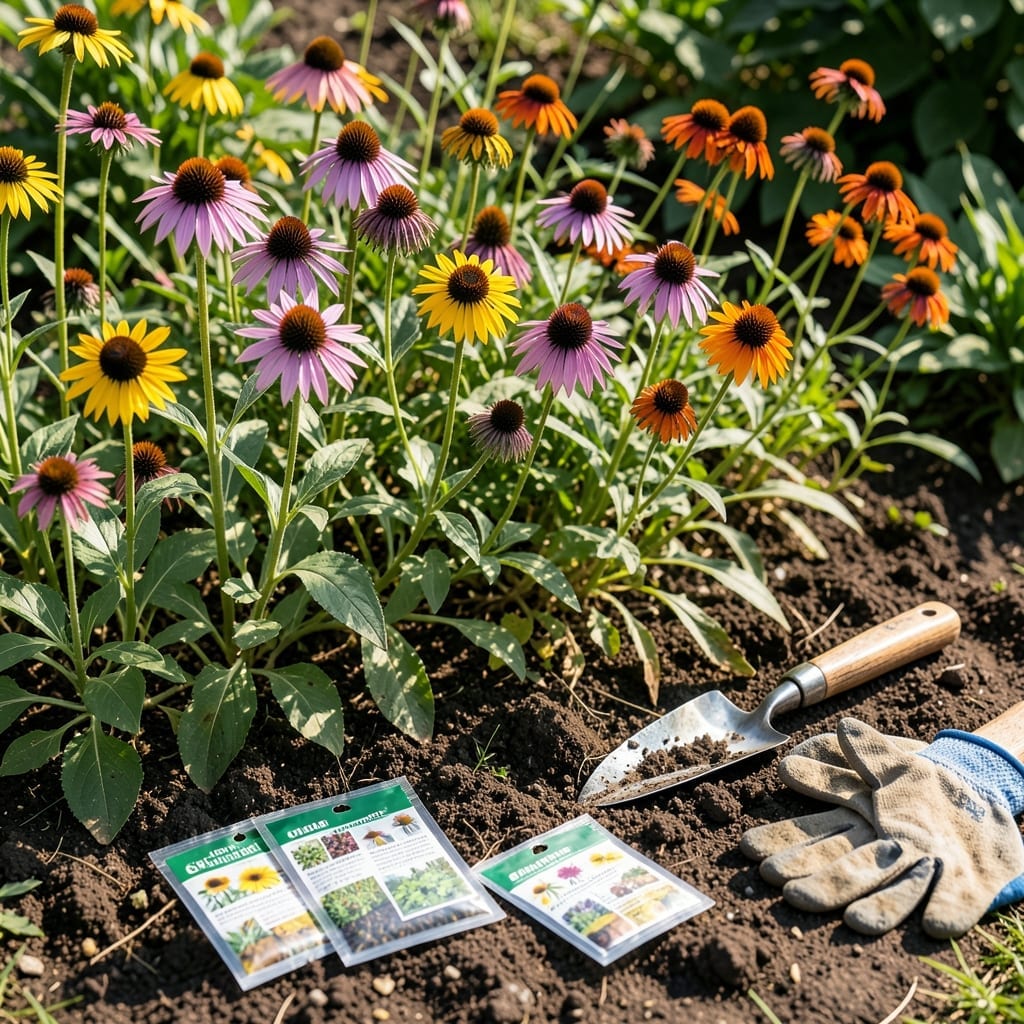
Timing is everything when planting Wildflowers in Zone 6—plant too early or too late, and you risk poor germination or weak blooms.
Discover the ideal windows to transform your garden into a pollinator paradise. I’ve tested various approaches, and the right schedule makes all the difference.
Whether you’re aiming for a burst of spring color or a fall wildflower display, knowing when to sow is the key.
Let me walk you through the best months and strategies to ensure your 🌸 Wildflowers thrive with vibrant, long-lasting blooms.
In Zone 6, the best times to plant wildflowers are early spring or early fall. These windows align with the region’s last frost date (around April 15) and first frost (around October 15), giving seeds the best chance to establish. 🌱
Spring planting should occur between March and May, once the soil warms to at least 50°F. Fall planting is ideal from September to October, allowing roots to develop before winter dormancy.
| Season | Planting Window | Soil Temp | Key Notes |
|---|---|---|---|
| Early Spring | March – May | 50°F+ | After last frost |
| Early Fall | September – October | 50-60°F | 6-8 weeks before frost |
I recommend spring planting for annual wildflowers like California Poppy or Cosmos, as they thrive in warming soil. For perennials like Black-Eyed Susan, fall sowing often yields stronger plants the following year.
Soil preparation is critical. Ensure your plot is weed-free and loosened to a depth of at least 6 inches. This improves seed-to-soil contact, which boosts germination rates significantly.
In Zone 6, soil moisture varies by season. Spring plantings may need supplemental watering if rainfall is sparse, while fall sowings often benefit from natural precipitation. Always check the 10-day forecast before planting.
For native wildflowers, fall planting mimics natural seed dispersal, giving them a head start. Non-natives often do better with spring sowing to avoid winter stress. I’ve seen Lupine and Purple Coneflower excel with this approach.
If you’re planting a wildflower meadow, consider mixing seeds with sand to ensure even distribution. This technique helps prevent clumping and ensures full coverage across your garden.
Mulching isn’t typically needed for wildflowers, but a light layer of straw can help retain moisture for spring plantings. Avoid heavy mulches, as they can smother emerging seedlings.
Finally, patience is key. Wildflowers often take 2-3 weeks to germinate, and some perennials won’t bloom until their second year. But the wait is worth it when your garden bursts into color! 🌿
Not all wildflowers are created equal in Zone 6. I’ve found that native species like Purple Coneflower and Black-Eyed Susan adapt best to the region’s climate, thriving with minimal care once established.
For spring planting, annuals such as California Poppy and Cornflower deliver quick, vibrant color. These varieties germinate rapidly in warmer soil and bloom within 60-90 days. 🌱
| Variety | Type | Best Planting | Bloom Time |
|---|---|---|---|
| Purple Coneflower | Perennial | Fall | Summer |
| California Poppy | Annual | Spring | Late Spring |
| Black-Eyed Susan | Perennial | Fall | Summer-Fall |
| Lupine | Perennial | Spring/Fall | Early Summer |
Fall planting is ideal for perennials and biennials like Foxglove and Columbine. These develop strong root systems over winter, ensuring robust growth and early blooms the following year.
For a pollinator-friendly garden, mix native wildflowers with clover and milkweed. I’ve noticed these combinations attract more bees and butterflies than single-species plantings.
If you’re short on space, consider dwarf varieties like Dwarf Cosmos or Alpine Aster. These thrive in containers and small beds, offering the same beauty in a compact form.
Non-native wildflowers such as Sweet Alyssum can also succeed in Zone 6 but may require extra care. I recommend spring planting and consistent moisture for these varieties.
Remember, seed quality matters. Always choose fresh, high-quality seeds from reputable suppliers to ensure the best germination rates and healthiest plants. 🌿