
Beautiful Plants For Your Interior
Beautiful Plants For Your Interior
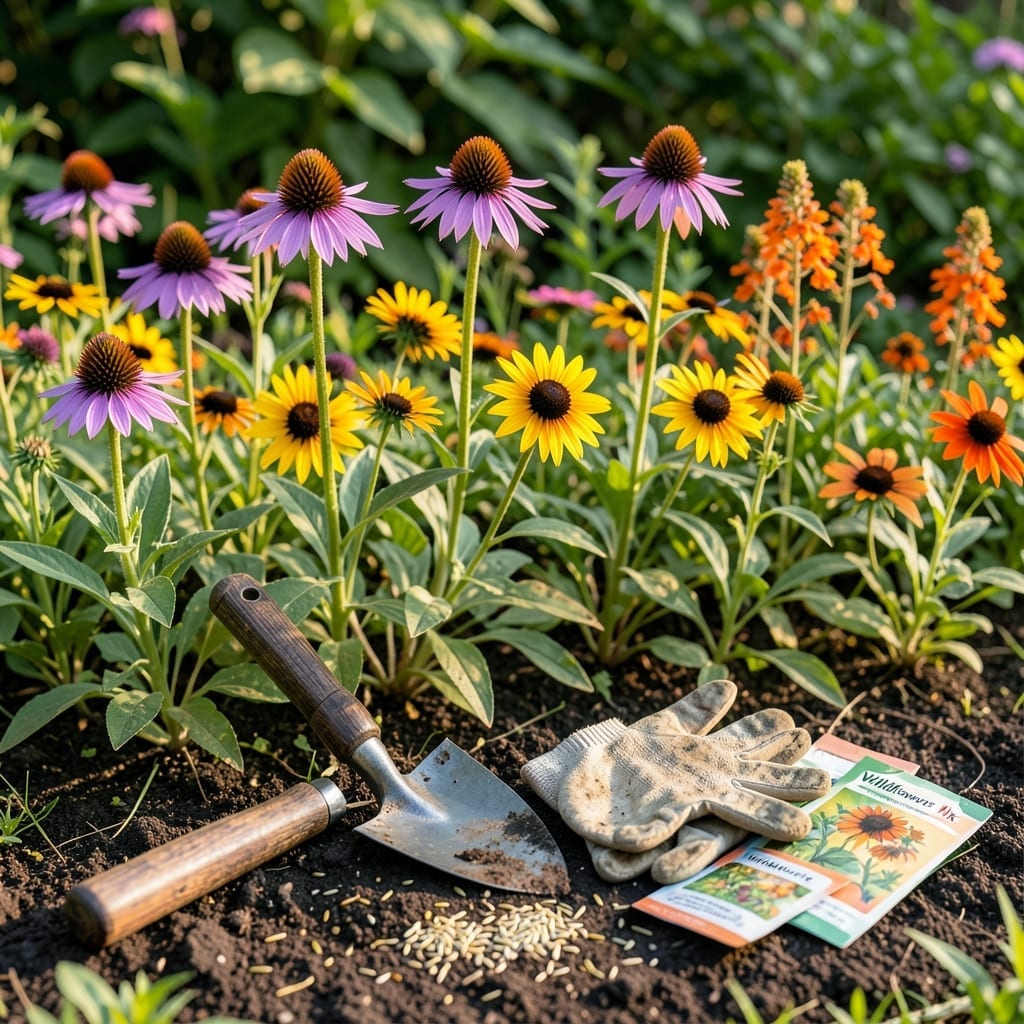
Timing is everything when planting 🌼 Wildflowers in Wisconsin’s unpredictable climate. Plant too early, and frost may wipe out your seeds; plant too late, and you’ll miss the optimal growing window.
With Wisconsin’s 4b-5a zones, knowing the right moment to sow can make or break your wildflower meadow. The difference between success and disappointment often comes down to just a few weeks.
I’ve seen firsthand how proper timing transforms a patchy plot into a thriving, colorful landscape. Whether you’re a beginner or seasoned gardener, nailing this timing is the key to vibrant blooms.
Let me walk you through the best windows for planting Wildflowers in Wisconsin, so you can enjoy nature’s beauty without the guesswork.
Wisconsin’s zones 4b-5a mean wildflowers thrive when planted at the right seasonal window. Spring and fall are your best bets, but timing varies by species and weather patterns.
For spring planting, aim for April through June, after the last frost (typically May 15). This gives seeds time to establish before summer heat.
| Season | Planting Window | Key Notes |
| Spring | April-June | After last frost; soil temp 50-60°F |
| Summer | July | Limited to drought-tolerant species |
| Fall | August-October | 6-8 weeks before first frost |
Fall planting from August to October works well for perennials. Sow seeds 6-8 weeks before the first frost (around October 15) to allow root development.
Soil temperature matters more than calendar dates. Wildflower seeds germinate best when soil reaches 50-60°F. Use a soil thermometer to check conditions.
For annual wildflowers, spring planting is ideal. They grow quickly and bloom within 60-90 days, providing color the same season.
Perennial wildflowers benefit from fall planting. The cool, moist conditions help seeds stratify naturally over winter for spring germination.
Avoid planting in peak summer (July-August) unless using drought-resistant varieties. The heat can stress young seedlings and reduce survival rates.
Wisconsin’s 150 frost-free days give you a long enough window for most wildflower species. Just time your planting to avoid the extremes of early spring frosts or late fall freezes.
I always recommend starting small with a test plot. This lets you observe how different species perform in your specific microclimate before committing to a full meadow.
Remember, wildflowers are low-maintenance but not no-maintenance. Proper timing at planting sets the stage for years of beauty with minimal care.
Even seasoned gardeners make mistakes when planting wildflowers in Wisconsin. The most common is ignoring frost dates, which can doom seeds before they even sprout.
Another frequent error is skipping soil preparation. Wildflowers need bare soil for seed-to-soil contact—don’t bury them too deep or they won’t germinate properly.
⚠️ Wisconsin Wildflower Warning: Planting non-native species can disrupt local ecosystems. Stick to native wildflowers like Purple Coneflower or Butterfly Weed for best results.
I’ve seen many gardeners plant at the wrong depth. Wildflower seeds need light to germinate, so press them into soil but don’t cover them completely.
Overwatering is another pitfall. Once established, most wildflowers are drought-tolerant and thrive with 1 inch of water weekly. Too much water can rot seeds.
Avoid using herbicides before planting. These chemicals can linger in soil and prevent wildflower seeds from germinating, even weeks after application.
Finally, don’t expect instant results. Wildflower meadows take 1-3 years to fully establish. Patience and proper timing will reward you with a low-maintenance, pollinator-friendly landscape. 🌼