
Beautiful Plants For Your Interior
Beautiful Plants For Your Interior
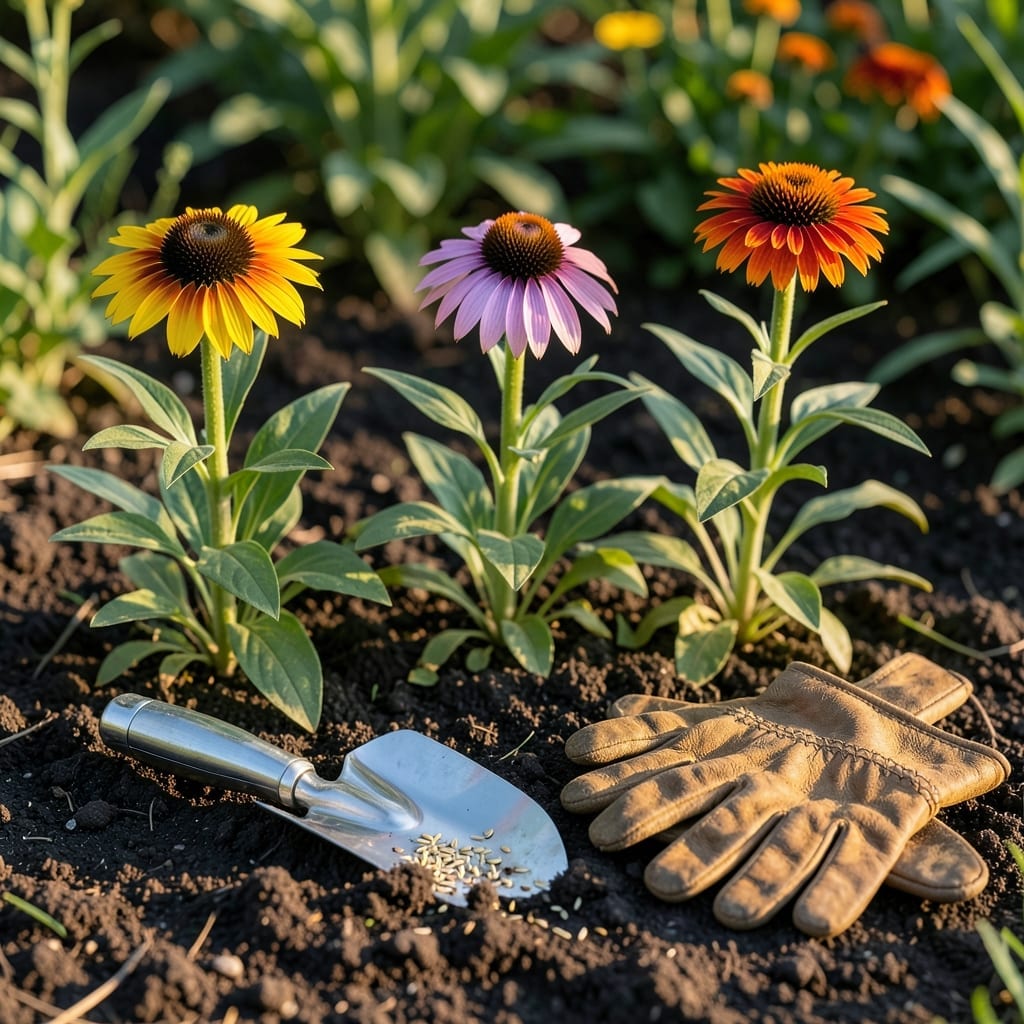
Imagine your Virginia garden bursting with vibrant color and buzzing with life. That vision starts with knowing the perfect moment to plant your 🌸 Wildflowers.
Timing isn’t just important – it’s the key to success in our state’s unique climate. Plant too early or too late, and you might miss the window for a thriving meadow.
I’ve learned through experience that Virginia’s seasons offer two prime opportunities to get those seeds in the ground. Whether you’re a seasoned gardener or just starting out, this timing can make all the difference.
Discover how to align your planting with nature’s rhythm and watch your wildflower dreams take root and flourish across the growing season.
Timing your wildflower planting in Virginia is crucial for success. The state spans USDA zones 5-8, meaning spring and fall are your best windows. I always aim for March-April or September-October to avoid extreme heat or cold.
Virginia’s last frost typically hits around April 15, while the first frost arrives near October 15. Planting after the last frost ensures seeds aren’t damaged by sudden cold snaps. For fall planting, get seeds in the ground 6-8 weeks before the first frost.
| Season | Ideal Months | Soil Temp | Notes |
|---|---|---|---|
| Spring | March-April | 55°F+ | After last frost |
| Fall | September-October | 50-65°F | 6-8 weeks before first frost |
For spring planting, I recommend waiting until soil temperatures reach at least 55°F. This usually aligns with late March in warmer zones like 7a-8. In cooler areas like zone 5, early April is safer to avoid frost damage to young seedlings.
Fall planting offers distinct advantages. The cooler temperatures and autumn rains help seeds establish roots before winter dormancy. I’ve found September planting gives wildflowers a head start for early spring blooms. Just ensure seeds are sown early enough to germinate before cold sets in.
Virginia’s diverse climate means coastal areas may plant earlier than mountainous regions. In eastern Virginia, spring planting can start in late February, while western mountains might need to wait until early April. Always check your local frost dates for precision.
Soil preparation is key regardless of season. I always clear weeds and loosen soil to a depth of 6 inches before sowing. For clay-heavy soils common in parts of Virginia, mixing in compost improves drainage and gives wildflowers a better start.
Watering needs vary by season. Spring-planted wildflowers may need supplemental watering if rains are sparse, while fall-planted seeds often benefit from natural precipitation. I use a light mulch to retain moisture without smothering seeds.
Remember that native wildflowers like Black-Eyed Susan and Butterfly Weed are most forgiving. These species have adapted to Virginia’s climate and typically require less fuss about exact planting times than non-native varieties.
If you’re unsure about timing, late September is my go-to for fall planting. It gives seeds enough time to establish before winter while avoiding the peak heat of summer. This timing has consistently given me the best results in my own Virginia garden.
Always monitor weather forecasts around your planting dates. A surprise late frost or early heatwave can impact germination. I keep a garden journal to track my planting dates and results each year, which helps refine my timing for future seasons.
🌼Virginia’s native wildflowers thrive when matched to the right conditions. I’ve found Black-Eyed Susan and Butterfly Weed do best in well-drained soil with full sun. These are pollinator favorites too.
For shadier spots, try Virginia Bluebells or Wild Columbine. Both prefer moist soil and bloom beautifully in partial shade. Always check your USDA zone before planting.
I recommend planting in early spring or early fall for most varieties. This gives roots time to establish before summer heat or winter frost. Seed stratification can help with germination.
Soil prep is key. I always remove weeds first, then loosen the soil to about 6 inches deep. A light rake after sowing ensures good seed-to-soil contact.
For drought-prone areas, Lanceleaf Coreopsis and Blanket Flower are excellent choices. They need minimal water once established and thrive in poor soil.
Remember, native species require less maintenance and support local ecosystems better. I’ve seen my wildflower meadows attract more bees and butterflies than any other garden feature. 🌿