
Beautiful Plants For Your Interior
Beautiful Plants For Your Interior
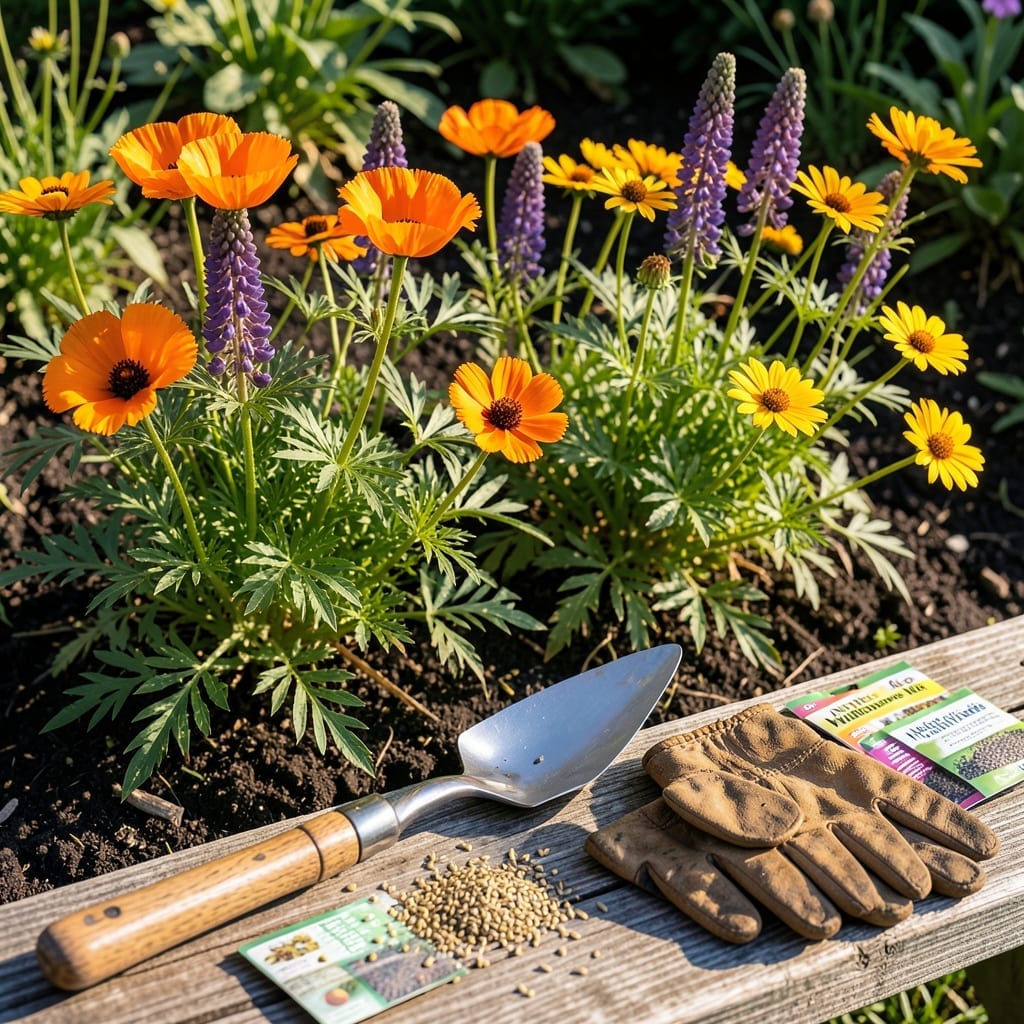
Timing is everything when planting Wildflowers in the Pacific Northwest. This region’s unique climate—cool, wet winters and mild summers—demands a strategic approach.
I’ve learned that planting at the right moment can mean the difference between a lackluster patch and a vibrant, pollinator-friendly meadow. The 🌼 Wildflowers thrive when aligned with nature’s rhythm here.
Whether you’re a seasoned gardener or just starting out, knowing the best windows in zones 7b-9a will set you up for success. Spring and fall each offer distinct advantages.
Let me walk you through the seasonal schedule that ensures your Wildflowers not only survive but flourish in this stunning region.
In the Pacific Northwest, timing your wildflower planting can make all the difference. The region’s cool, wet winters and mild summers create unique windows for sowing seeds.
I’ve found that fall planting often yields the best results, as seeds can naturalize over winter and germinate early in spring. This aligns perfectly with the area’s rainfall patterns and temperature shifts. 🌿
| Season | Optimal Months | Key Benefits |
|---|---|---|
| Fall | September – November | Natural stratification, early spring blooms |
| Spring | March – May | Warmer soil, faster germination |
| Summer | June (limited) | Only for drought-tolerant varieties |
Fall planting from September to November is ideal because the cool soil helps seeds stratify naturally. This process breaks dormancy, leading to stronger spring germination and earlier blooms.
In spring, aim for March to May when soil temperatures reach 55-70°F. This range is perfect for fast germination, but you’ll need to water consistently as rainfall tapers off.
Summer planting is tricky in the PNW. I recommend sticking to drought-tolerant wildflowers like California poppies or blanket flowers if you must plant in June. The heat can stress young seedlings.
For the best results, align your planting with the first and last frost dates. In zones 7b-9a, the last frost is typically March 15 – April 15, while the first frost arrives October 15 – November 1.
I’ve noticed that native wildflowers like Oregon iris and lupine thrive when planted in fall. They’re adapted to the PNW climate and often require less maintenance once established.
Pro tip: If you’re planting a wildflower meadow, prepare the site in late summer for a fall sowing. This gives you time to clear weeds and loosen the soil before the rains arrive.
Remember, soil prep is just as important as timing. Wildflowers prefer well-draining soil with minimal fertilizer. Over-rich soil can lead to weedy competition and poor wildflower growth. ✂️
Choosing the right wildflower varieties is key to success in the Pacific Northwest. I focus on native species like Oregon checker-mallow and purple lupine that thrive in our cool, moist climate. 🌼
For early blooms, try red columbine or Farewell-to-spring. These adapt well to PNW zones 7b-9a and attract pollinators like bees and butterflies.
I always recommend mixing annuals and perennials for continuous color. California poppies are great annuals, while yarrow and aster come back year after year.
For coastal areas, sea thrift handles salty air well. In mountain regions, alpine aster and mountain penstemon excel at higher elevations.
Remember, soil prep matters. I clear weeds first, then lightly till. Scatter seeds in fall or early spring when soil temps hit 55-70°F for best germination. 🌱
These native varieties require less water once established. They’ve evolved with our Pacific Northwest weather, making them the easiest to grow and maintain.