
Beautiful Plants For Your Interior
Beautiful Plants For Your Interior
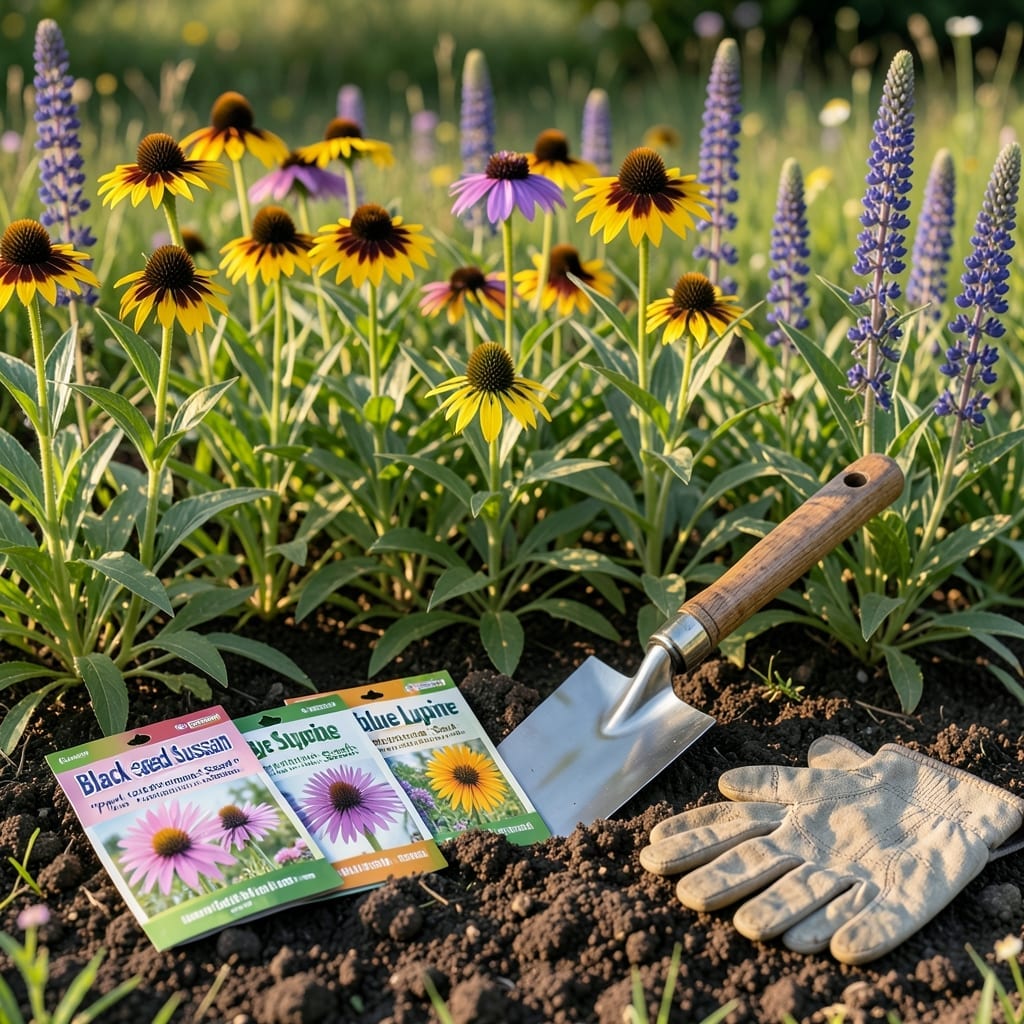
Planting wildflowers in Pennsylvania can turn your garden into a vibrant, pollinator-friendly haven—but timing is everything. The Keystone State’s unique climate demands a strategic approach.
I’ve seen firsthand how the right planting window makes all the difference. Whether you’re in zone 6a-7b, getting this right ensures your 🌼 wildflowers thrive and support local wildlife.
From avoiding late frosts to maximizing bloom time, there’s a science to it. I’ll walk you through the best months and preparation tips tailored for Pennsylvania’s conditions.
Discover how to create a stunning, low-maintenance wildflower meadow that bursts with color from June to September. Let’s get started.
Pennsylvania’s USDA zones 6a-7b create a unique planting calendar. I’ve found that spring and fall are ideal for sowing wildflower seeds, but timing varies by region and species.
The last frost date in most of PA is around April 15, making late April to early May perfect for warm-season wildflowers. For cool-season varieties, early spring or late fall works best. 🌱
| Season | Planting Window | Key Species |
|---|---|---|
| Spring | March-May | Black-eyed Susan, Coneflower |
| Summer | June-August | Cosmos, Zinnia |
| Fall | September-November | Lupine, Milkweed |
For spring planting, I recommend waiting until soil temperatures reach at least 55°F. This usually occurs in late April for most of PA. Early spring plantings benefit from cool, moist conditions that help seeds germinate.
In western PA, where frost dates can be later, I often delay planting until early May. The Pittsburgh area typically sees its last frost around April 20-30, so adjust your timing accordingly.
Fall planting offers advantages too. Sowing 6-8 weeks before the first frost (around October 15 in most areas) allows seeds to establish before winter. This gives them a head start for spring blooming. 🌿
In southeastern PA, including Philadelphia, the growing season is longer. Here, I’ve successfully planted wildflowers as early as late February for some hardy species. The milder winters in this region allow for more flexibility.
For summer planting, focus on drought-tolerant varieties like cosmos or blanket flowers. These can handle PA’s hot, humid summers better than other species. Just be sure to water deeply during the first few weeks.
Remember that soil preparation is crucial regardless of timing. I always remove weeds and loosen the soil to a depth of 6 inches before planting. This gives wildflower seeds the best chance to establish strong roots.
PA’s diverse topography means microclimates vary significantly. In mountainous areas, planting times may be 2-3 weeks later than in valleys. Always check your local frost dates for the most accurate timing. ✂️
I’ve learned that proper preparation is just as important as timing when planting wildflowers in PA. The right soil conditions and seed selection can make or break your meadow. 🌱
Start by choosing native species like milkweed or purple coneflower—they’re adapted to PA’s climate and support local pollinators. Avoid invasive varieties that can disrupt the ecosystem.
I always water gently after planting to prevent washing away seeds. In PA’s humid summers, morning watering helps prevent fungal issues while keeping soil moist for germination.
For drought-prone areas, consider mulching lightly with straw to retain moisture. But don’t overdo it—wildflowers need some direct soil contact to establish properly. 🌿
One mistake I see often is planting too deep. Wildflower seeds need light to germinate, so simply press them into the soil surface. They’ll naturally work their way in with rainfall.
Remember that patience is key. Some wildflowers take 2-3 years to fully establish, but the wait is worth it for a self-sustaining, colorful meadow that returns yearly. ✂️