
Beautiful Plants For Your Interior
Beautiful Plants For Your Interior
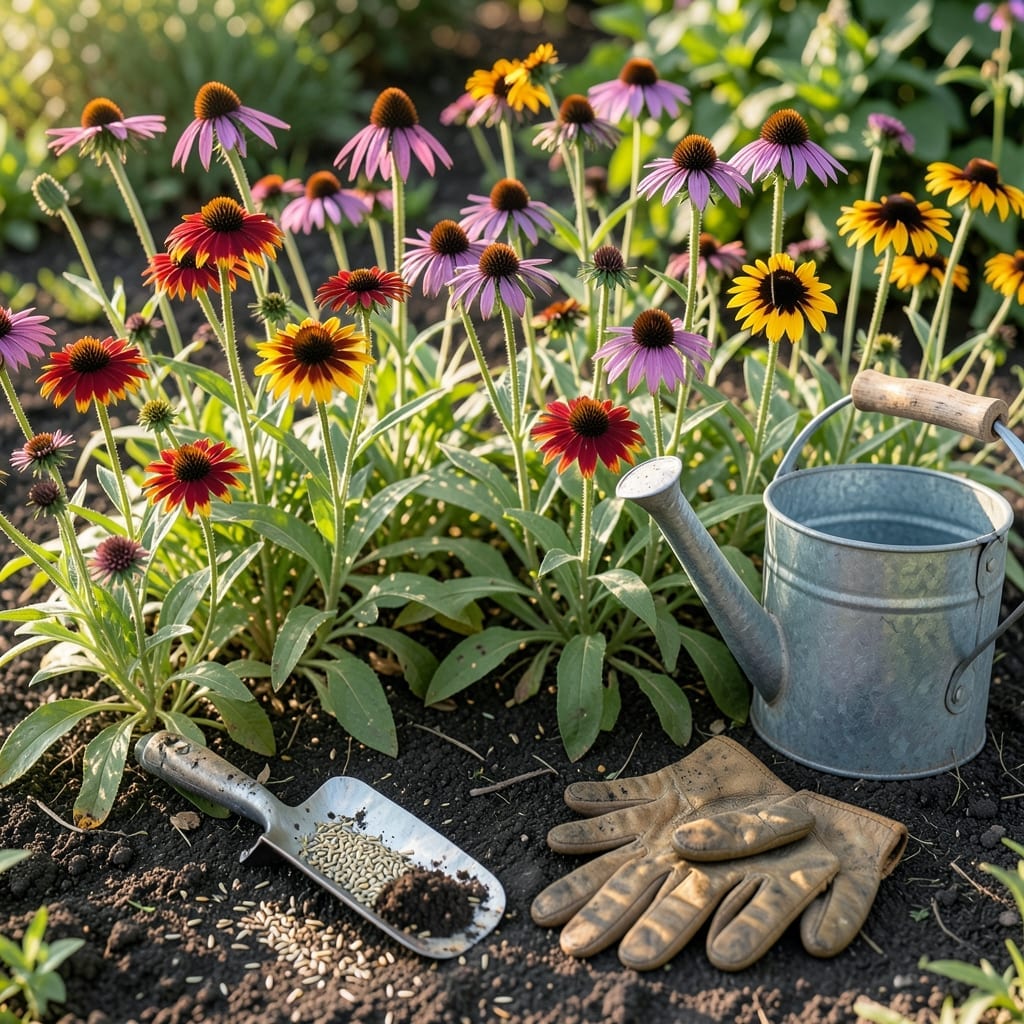
Timing is everything when planting Wildflowers in Oklahoma, where the unique climate of Zone 6b-7a can make or break your meadow.
Discover the perfect seasonal windows to ensure vibrant blooms and a thriving pollinator habitat. Oklahoma’s weather patterns demand precision.
The 🌸 Wildflowers you plant today could transform your garden into a colorful haven tomorrow. But only if you get the timing right.
I’ll walk you through the most important factors for success, from frost dates to soil prep. Let’s get started.
Oklahoma’s Zone 7 climate offers two ideal windows for planting wildflowers. I’ve found that fall planting from September to November often yields the best results, as it allows seeds to establish before winter dormancy. Spring planting from March to May also works well, especially for annual varieties.
The key is matching your timing to soil temperature—aim for 50-70°F for optimal germination. Oklahoma’s last frost date is typically April 15, so planting after this date reduces cold damage risk for tender species.
| Season | Planting Window | Key Species | Soil Temp |
|---|---|---|---|
| Fall | Sept-Nov | Indian Blanket, Bluebonnet | 50-70°F |
| Spring | March-May | Black-eyed Susan, Coreopsis | 60-75°F |
| Avoid | July-Aug | Heat-sensitive varieties | 80°F+ |
For native wildflowers like Indian Blanket and Purple Coneflower, fall planting gives them a head start. The seeds lie dormant through winter, then germinate as soon as conditions warm in spring. This mimics their natural growth cycle in Oklahoma’s prairies.
Spring plantings work best for annual wildflowers such as Cosmos or Zinnias. These need warmer soil to thrive and will bloom the same year they’re planted. I always remind gardeners to water consistently during spring plantings, as Oklahoma’s winds can dry out soil quickly.
One critical factor is rainfall patterns. Oklahoma’s spring can be unpredictable, with periods of drought followed by heavy rains. I recommend checking the soil moisture before planting—seeds need consistent moisture for the first 4-6 weeks to establish properly.
For those in eastern Oklahoma, where humidity is higher, you might extend the spring planting window into early June. But in the western panhandle, with its drier conditions, stick to the earlier timeframe to avoid heat stress on young seedlings.
Remember that perennial wildflowers planted in fall often bloom earlier the following year. I’ve seen Bluebonnets planted in October produce stunning displays by April, while spring-planted ones might not bloom until their second year.
Always prepare your soil by removing weeds and loosening the top 1-2 inches. This gives your wildflower seeds the best chance to make good contact with the soil, which is crucial for germination.
Finally, don’t forget that Oklahoma’s first frost typically arrives around October 30. Planting at least 6-8 weeks before this date gives fall-sown seeds time to establish before winter’s chill sets in.
With proper timing and a little care, you’ll be rewarded with a vibrant wildflower meadow that supports local pollinators and brightens your landscape for years to come. 🌼
Planting wildflowers in Oklahoma can be rewarding, but many gardeners make costly mistakes that stunt growth. Avoid planting too late in spring when soil temps exceed 70°F, as this can hinder germination.
Another common error is skipping soil prep. Oklahoma’s clay-heavy soil needs loosening and compost for wildflower roots to thrive. Test your soil’s drainage and pH before sowing.
⚠️ Avoid These Pitfalls
Planting non-native species that can’t handle Oklahoma’s heat and drought.
Ignoring frost dates—late frosts can kill young seedlings.
Overwatering, which leads to root rot in wildflowers.
Choosing non-native wildflowers is another misstep. Stick to Oklahoma natives like Indian Blanket or Bluebonnet, which are adapted to the local climate and require less maintenance.
Timing is critical—fall planting (September-November) often yields better results than spring. This allows seeds to stratify naturally over winter, leading to stronger, earlier blooms in spring.
Don’t overlook seed depth. Most wildflower seeds need light to germinate, so simply press them into the soil rather than burying them deeply. A light rake to ensure seed-to-soil contact is ideal.
Finally, resist the urge to over-fertilize. Wildflowers thrive in low-fertility soil, and too much nitrogen can encourage leafy growth at the expense of vibrant blooms. 🌿