
Beautiful Plants For Your Interior
Beautiful Plants For Your Interior
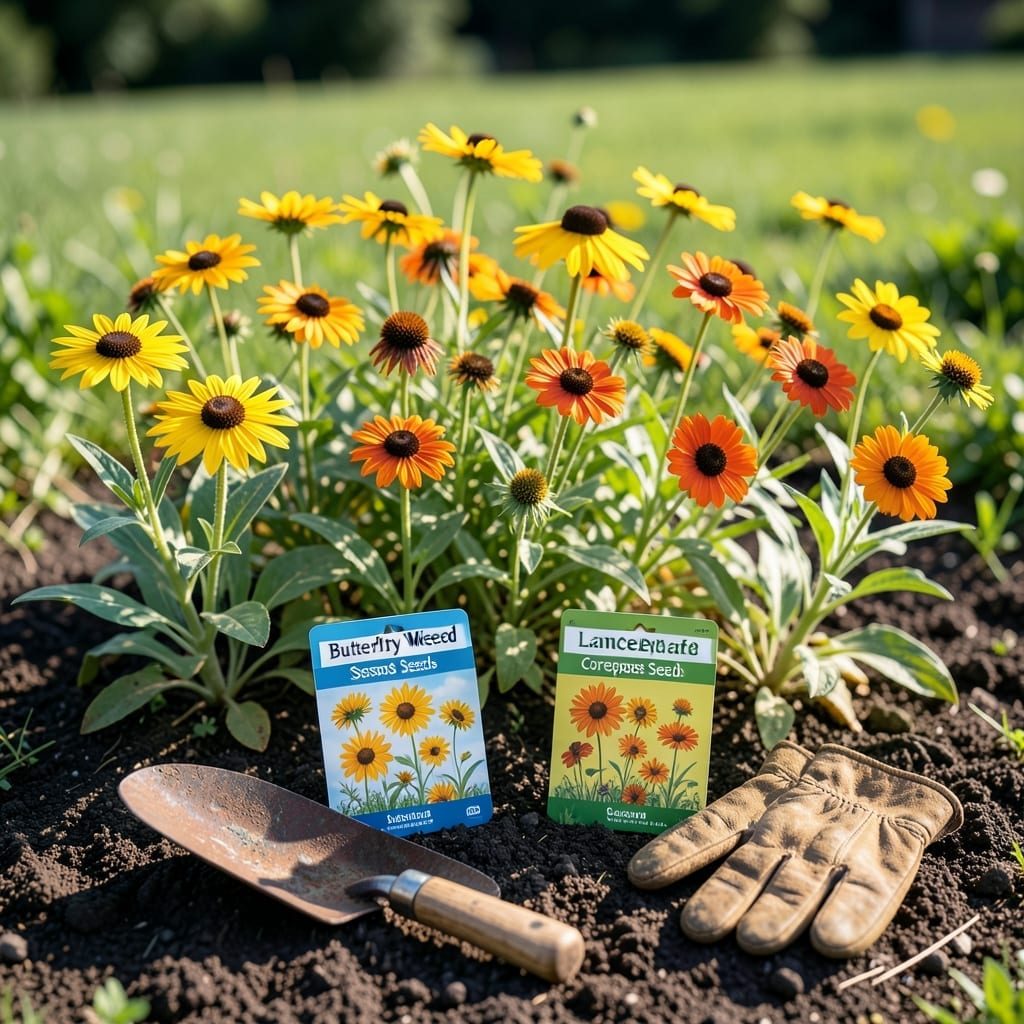
Timing your wildflower planting in North Carolina can make or break your garden. The state’s diverse climates demand different strategies for success.
From the cool mountains to the warmer Piedmont, each region has its own best planting windows. Get it right, and you’ll enjoy vibrant blooms from June to October.
I’ve seen firsthand how proper timing transforms a struggling patch into a thriving meadow. The 🌸 Wildflowers you choose and when you plant them matter just as much as where you live in NC.
Discover the regional differences that ensure your wildflowers flourish, no matter if you’re in the high country or the foothills.
North Carolina’s varied climate means wildflower planting times differ between the cool Mountains and the warmer Piedmont. Timing is everything for strong germination and vibrant blooms.
In the Mountain region, I recommend planting wildflower seeds in late April to May for spring or August to September for fall. Cooler temps and higher elevation delay the growing season.
| Region | Spring Planting | Fall Planting | Soil Temp |
|---|---|---|---|
| Mountains | Late April – May | August – September | 50-60°F |
| Piedmont | March – April | September – October | 55-65°F |
| Coastal | February – March | October – November | 60-70°F |
The Piedmont region has a longer growing season, so I plant wildflowers in March or April for spring. For fall, September to October works best before the first frost.
Soil temperature is critical for seed germination. In the Mountains, wait until soil reaches 50-60°F. In the Piedmont, 55-65°F is ideal for most native wildflowers.
For coastal areas, the mild climate allows early spring planting in February to March. Fall planting can extend to November if the weather stays warm.
I always check the last frost date for my area. In the Mountains, it’s often mid-April to early May, while the Piedmont sees its last frost around mid-April.
Fall planting should be done 6-8 weeks before the first frost. This gives wildflower seeds time to establish roots before winter dormancy.
In my experience, early morning planting helps seeds retain moisture. I also water lightly after sowing to ensure good soil-to-seed contact.
Remember, native wildflowers like Black-Eyed Susan and Coreopsis thrive in NC’s climate. They’re drought-tolerant once established.
For best results, I prepare the soil by removing weeds and loosening the top 1-2 inches. This helps seeds make direct contact with the earth for better germination 🌱
Choosing the right wildflower species for your region in North Carolina can make all the difference. The Mountain region favors hardy varieties that tolerate cooler temps and higher elevations.
In the Piedmont, I focus on drought-tolerant species that thrive in the warmer, drier conditions. Both regions benefit from native wildflowers adapted to local soils and climates.
| Variety | Mountain Suitability | Piedmont Suitability | Bloom Time |
|---|---|---|---|
| Black-Eyed Susan | Good | Excellent | June-Sept |
| Coreopsis | Fair | Excellent | May-August |
| Purple Coneflower | Excellent | Good | June-October |
| Butterfly Weed | Good | Good | June-August |
I’ve had great success with Purple Coneflower in the Mountains. It handles the cooler nights and thrives in well-drained soil. Its vibrant pink-purple blooms attract pollinators all summer long.
For the Piedmont, Black-Eyed Susan is my top pick. It’s drought-resistant and blooms profusely in the heat. I plant it in full sun for the best results.
Coreopsis is another Piedmont favorite. Its cheerful yellow flowers brighten up any meadow. I’ve noticed it self-seeds easily, creating a low-maintenance wildflower patch.
In both regions, I avoid overly fertile soil. Wildflowers prefer leaner conditions that mimic their natural habitats. This encourages stronger, more resilient plants 🌻