
Beautiful Plants For Your Interior
Beautiful Plants For Your Interior
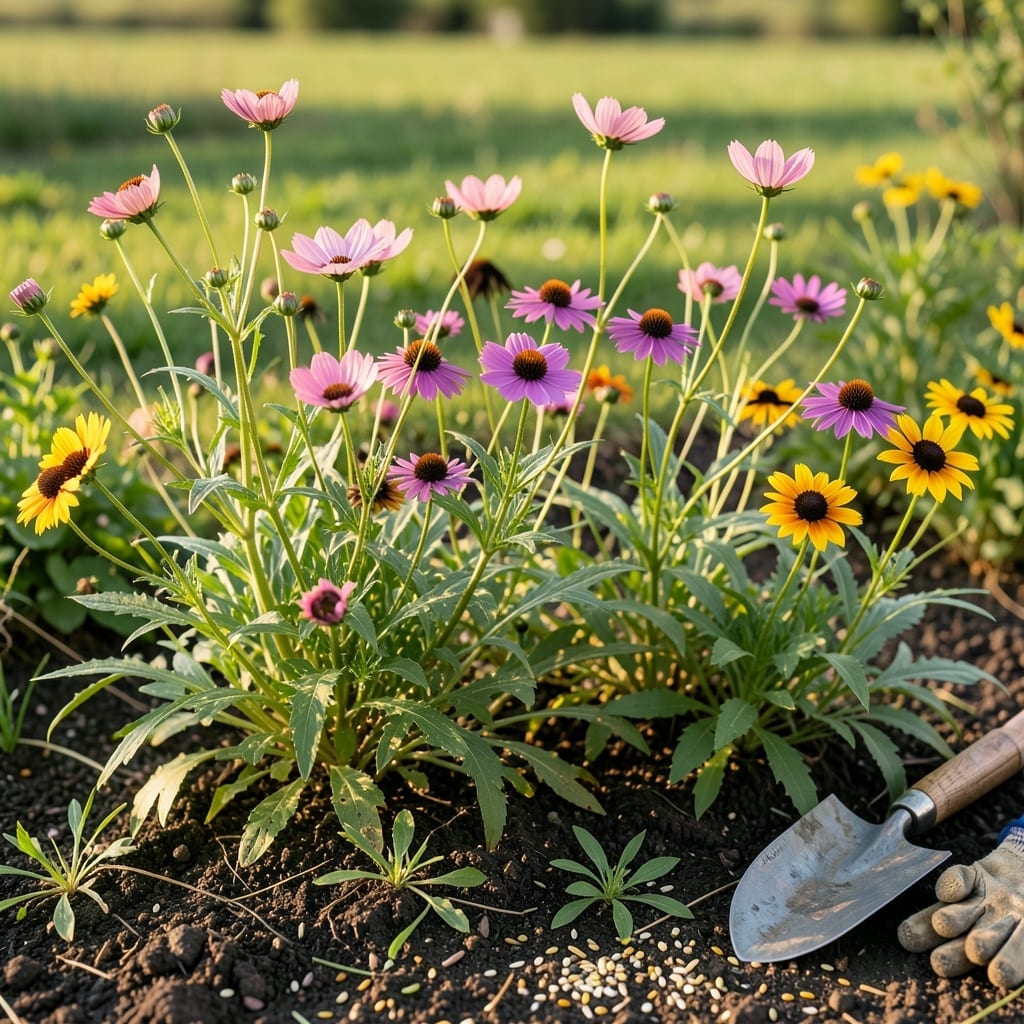
Timing is everything when planting Wildflowers in Massachusetts. Get it right, and you’ll enjoy a vibrant, pollinator-friendly meadow for years to come.
I’ve seen too many gardeners waste seeds and effort by planting at the wrong time. The good news? With the right schedule, you can avoid those mistakes.
In zones 5b-7a, the planting window spans from March to June or August to October. This timing aligns with the natural rhythm of the season.
Let me walk you through the most important factors to consider so your 🌸 Wildflowers thrive from the very first bloom.
In Massachusetts, wildflower planting timing depends heavily on your USDA Hardiness Zone. The state spans zones 5a through 7b, with subtle but important differences.
I’ve found that spring planting works best from late March to early June, after the last frost. For fall, aim for August through October, giving seeds time to establish before winter.
| Zone | Spring Planting | Fall Planting | Last Frost Date |
|---|---|---|---|
| 5a-5b | April-May | Aug-Sept | April 15 |
| 6a-6b | March-April | Sept-Oct | April 10 |
| 7a-7b | March-May | Aug-Oct | April 5 |
For Zone 5a-5b (western MA), wait until soil temps reach 50°F in spring. I recommend using a soil thermometer to be precise.
In Zone 6a-6b (central MA), you can start 2-3 weeks earlier than Zone 5. The last frost date is typically around April 10.
Gardeners in Zone 7a-7b (coastal areas) have the longest growing season. Here, March planting is often successful, and fall plantings can extend into late October.
Soil temperature is more important than air temperature. Wildflower seeds need consistent 50-55°F to germinate properly in all zones.
For fall planting, the key is giving seeds 6-8 weeks to establish before the first hard frost. This timing helps prevent winter heaving.
I always recommend native wildflower mixes like New England aster or black-eyed Susan. These are perfectly adapted to Massachusetts conditions.
Remember that microclimates matter. South-facing slopes warm up faster in spring, while low-lying areas may stay colder longer. Adjust your timing accordingly.
In my experience, early spring planting often has fewer weeds competing with your wildflower seedlings, giving them a better start.
Choosing between spring and fall planting in Massachusetts depends on your goals. I’ve found both seasons work, but each has unique advantages for wildflower success.
Spring planting gives seeds a full growing season to establish before winter, while fall planting allows for natural stratification over winter, which some native species need to germinate.
In my experience, fall planting often yields stronger, more resilient wildflowers in Massachusetts. The seeds benefit from winter’s cold, which breaks dormancy for many native species. 🌱
However, if you want immediate color, spring planting is your best bet. Just be prepared to water consistently and manage weeds as your wildflowers establish.
For the best of both worlds, I recommend a two-phase approach: plant part of your meadow in early spring and another section in late summer. This extends your blooming season.
Remember that soil temperature is critical. Aim for 50-60°F for spring planting and 40-50°F for fall planting to ensure optimal germination conditions.