
Beautiful Plants For Your Interior
Beautiful Plants For Your Interior
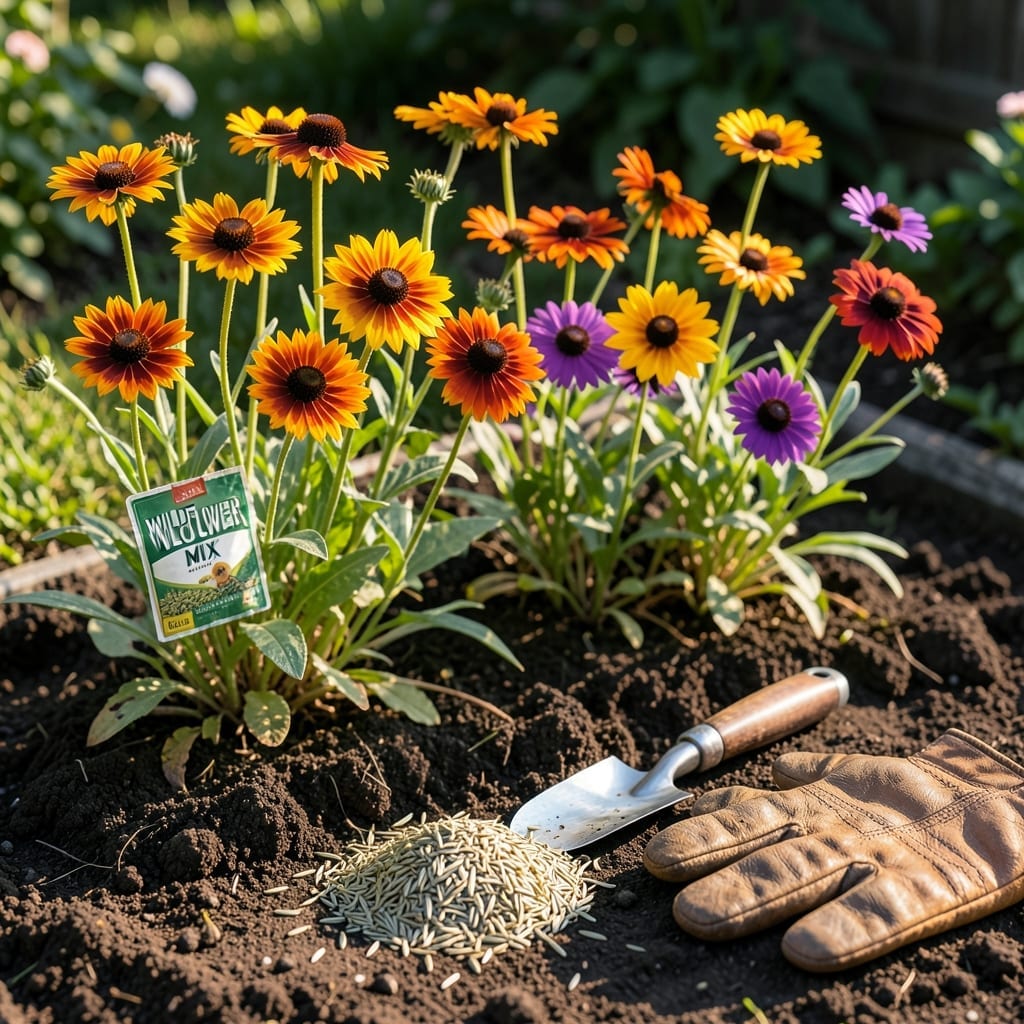
Planting Wildflowers in Florida can turn your garden into a vibrant, low-maintenance haven for pollinators—but timing is everything. Get it right, and you’ll enjoy a stunning, self-sustaining meadow for years to come.
Florida’s unique climate means the rules are different here. From the Panhandle to the Keys, knowing when to start makes all the difference between a thriving wildflower patch and a disappointing flop.
I’ve tested the best approaches across the state, and the results might surprise you. Whether you’re in zone 8a-10b, the timing windows are clearer than you think.
Discover how to align your planting with Florida’s seasons, and watch your 🌼 Wildflowers flourish when the conditions are perfect.
Timing your wildflower planting in Florida is crucial because of the state’s unique climate zones. Unlike northern states, Florida’s mild winters and hot summers create distinct planting windows for wildflowers to thrive.
I’ve found that fall planting from October to December works best for most regions, giving seeds time to establish roots before spring blooms appear.
| Region | Best Planting Time | Climate Consideration | Native Species |
|---|---|---|---|
| North Florida | Sept–Nov | Cooler winters | Blanket Flower, Coreopsis |
| Central Florida | Oct–Dec | Moderate temps | Black-eyed Susan, Milkweed |
| South Florida | Nov–Jan | Warm year-round | Tropical Sage, Blanket Flower |
In North Florida, the first frost can arrive as early as November, so planting by late September ensures seeds germinate before cold snaps. This region aligns with USDA zones 8a–9a, where cooler temperatures help wildflowers establish strong root systems.
Central Florida enjoys a longer planting window due to its milder winters. Here, October through December planting allows seeds to settle in before the dry season begins in spring. This area covers zones 9b–10a.
I always recommend checking local frost dates to fine-tune your timing. In Central Florida, the last frost is typically around mid-January, so late fall planting gives wildflowers a head start.
For South Florida, including Miami and the Keys, the planting season extends into January. The tropical climate means wildflowers can be sown year-round, but November to January avoids the heavy summer rains that can wash away seeds.
If you’re in zones 10b–11, you’ll find that native species like Tropical Sage and Blanket Flower thrive with minimal care. However, avoid planting during the peak summer when heat and humidity can stress young seedlings.
For best results, I suggest mixing annual and perennial wildflowers. Annuals like Cosmos provide quick color, while perennials such as Coreopsis ensure year-after-year blooms with proper establishment.
Remember, Florida’s sandy soil drains quickly, so watering deeply after planting helps seeds settle and germinate. A light mulch layer can also retain moisture without smothering the seeds.
Finally, avoid planting in summer—the combination of intense heat, high humidity, and frequent rain can lead to seed rot or poor germination. Stick to the cooler months for the most reliable wildflower displays 🌼
Florida’s sandy soil and high humidity create unique challenges for wildflowers. I’ve learned that proper preparation is key to overcoming these obstacles and ensuring a thriving meadow. The first step is always soil testing to check pH and nutrient levels.
Wildflowers prefer well-draining soil, but Florida’s sand can drain too quickly. Adding organic matter like compost helps retain moisture while improving fertility. This simple step makes a world of difference in seed germination and plant health.
Weed suppression is critical in Florida’s warm climate. I recommend using a pre-emergent herbicide or organic mulch to keep competitors at bay. This gives your wildflower seeds the best chance to establish without competition.
For sandy areas, consider mixing in peat moss to improve water retention. In low-lying spots, raised beds can prevent waterlogging during Florida’s sudden downpours. These small adjustments address the state’s unique soil challenges.
Remember, native wildflowers like Blanketflower or Coreopsis are already adapted to Florida’s conditions. They’ll thrive with minimal soil amendments, making them perfect for beginners or low-maintenance gardens.
Finally, water the prepared area lightly before sowing. This ensures good seed-to-soil contact and kickstarts the germination process. With these steps, your wildflower meadow will be off to a strong start in Florida’s climate 🌼