
Beautiful Plants For Your Interior
Beautiful Plants For Your Interior
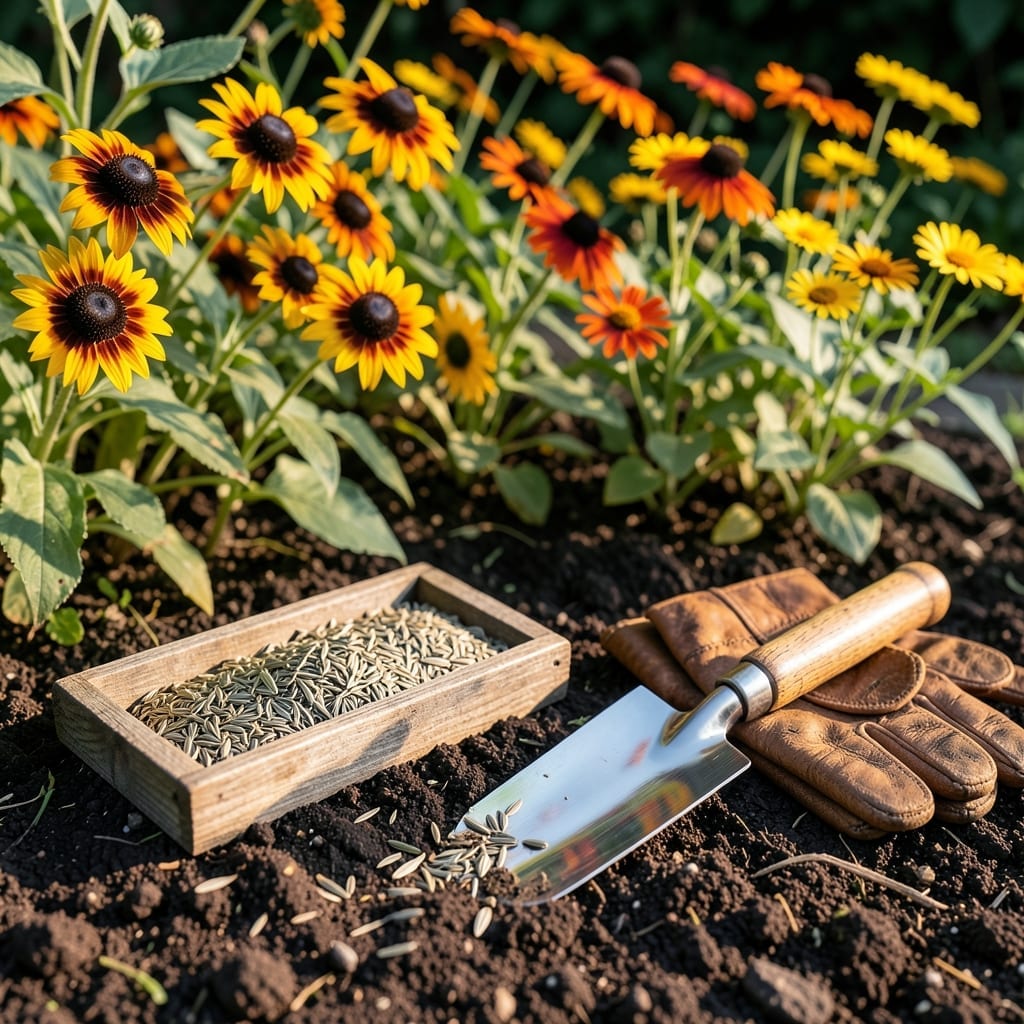
Timing is everything when planting wildflowers in Alabama’s Zone 8 climate. Plant too early or too late, and your vibrant meadow could turn into a patchy disappointment.
I’ve seen firsthand how the right schedule makes all the difference. The 🌸 Wildflowers thrive when seeded during their ideal windows, avoiding extreme heat or cold.
Whether you’re a seasoned gardener or just starting out, knowing these seasonal sweet spots will set you up for success. Let’s break down the best times to get those seeds in the ground.
Discover how to align your planting with Alabama’s unique climate for a garden that bursts with color and life.
Alabama’s Zone 8 climate offers two ideal windows for planting wildflowers. The spring window runs from mid-March to May, after the last frost. This timing allows seeds to germinate in warming soil.
The fall window is equally effective, from September to November. Planting 4-6 weeks before the first frost gives seeds time to establish roots before winter dormancy.
| Season | Planting Months | Key Consideration |
|---|---|---|
| Spring | March-May | After last frost |
| Fall | September-November | 4-6 weeks before first frost |
For spring planting, I recommend waiting until soil temperatures reach at least 55°F. This ensures optimal germination for most wildflower species. Early March can still be risky in northern Alabama.
The fall planting window is my personal favorite. Cooler temperatures and autumn rains create perfect conditions. Just ensure seeds make soil contact before winter sets in.
Alabama’s last frost typically occurs between March 15-April 15. In southern regions, you might start 2 weeks earlier than in the northern part of the state.
For annual wildflowers, spring planting gives you blooms the same year. Perennial varieties benefit from fall planting, as they’ll establish stronger root systems over winter.
I always check the 10-day forecast before planting. A sudden cold snap can set back young seedlings. Alabama’s weather can be unpredictable, especially in early spring.
Remember that soil preparation is just as important as timing. Clear the area of weeds and loosen the top 1-2 inches of soil for best seed-to-soil contact.
Watering is crucial after planting. Keep the soil moist but not soggy for the first 4-6 weeks. This helps seeds germinate and young plants establish.
With proper timing and care, your Alabama wildflower meadow will burst with vibrant color and support local pollinators all season long 🌻
Alabama’s Zone 8 climate offers two prime windows for wildflower planting. I’ve found spring planting from March to May works beautifully for warm-season varieties. The soil warms up just right for germination.
For cool-season wildflowers, September to November gives seeds time to establish before winter. This timing avoids the summer heat stress that can stunt growth.
| Variety | Planting Window | Sun Needs |
|---|---|---|
| Black-eyed Susan | March-May | Full sun |
| Coreopsis | April-June | Full to partial |
| Lupine | Sept-Nov | Full sun |
I always recommend native species like Butterfly Weed for Alabama gardens. They’re adapted to our humid summers and require less maintenance once established.
For best results, prepare your soil by removing weeds and loosening the top inch. Wildflower seeds need good soil contact to germinate properly. I like to mix seeds with sand for even distribution.
Watering is crucial in the first 6-8 weeks after planting. Keep the soil moist but not soggy. Once established, most wildflowers are drought-tolerant and thrive with minimal care.
In my experience, fall planting often produces the most vibrant spring blooms. The cool temperatures and winter stratification help many species germinate more uniformly.
Remember that timing varies by species, so always check the seed packet for specific recommendations. Happy planting!