
Beautiful Plants For Your Interior
Beautiful Plants For Your Interior
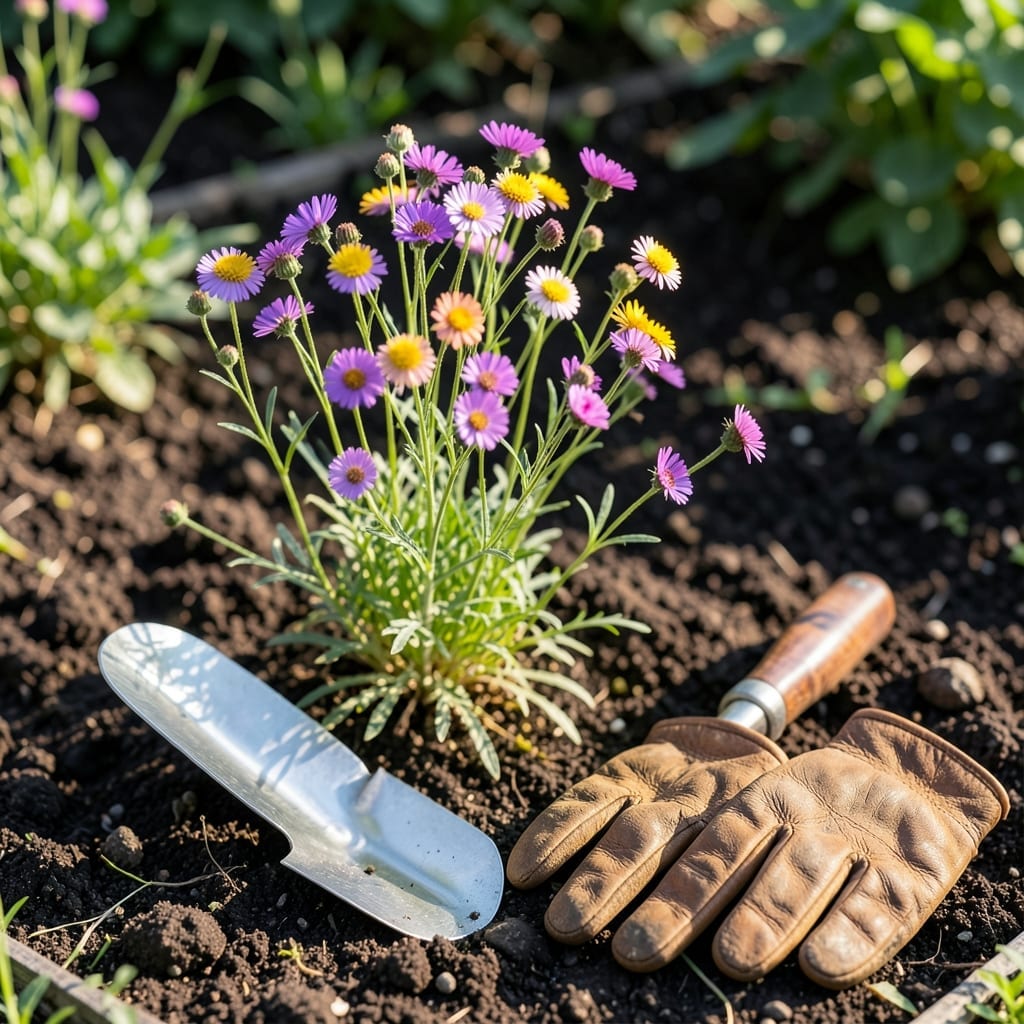
Timing is everything when it comes to planting Wildflower seeds in Southern California. The region’s unique Mediterranean climate offers a narrow window for optimal germination and vibrant blooms.
I’ve learned through trial and error that getting this right can make all the difference. The best results come when you align your planting with the natural rhythms of the season.
Whether you’re a seasoned gardener or just starting out, understanding these timing nuances will set you up for success. Let me guide you through the key considerations.
From soil preparation to seasonal cues, I’ll show you how to give your 🌼 Wildflower seeds the best possible start in Southern California’s Zone 10a.
Southern California’s Mediterranean climate gives wildflowers two ideal planting windows. The primary season runs from September to November, just before winter rains begin.
This timing allows seeds to establish roots during cooler months. The secondary window is March to April, catching the tail end of rain season.
| header-cell” style=”background-color: #6fd544; color: #fff;”>Months | Primary | September – November | Syncs with winter rains | |
| Secondary | March – April | Catches late rains | ||
| Avoid | May – August | Too hot and dry |
I’ve found that fall planting often yields the most vibrant blooms. The soil stays warm enough for germination but cool enough to prevent stress.
In coastal areas, you can push planting to early December. Inland gardeners should finish by November to avoid frost in higher elevations.
The spring window works well for annual wildflowers like California poppies and lupines. These thrive when planted as temperatures rise but before summer heat.
For perennial wildflowers, fall planting gives them a head start. They’ll establish deep root systems before summer dormancy.
I always check the soil moisture before planting. If the top inch is dry, I’ll water lightly to encourage germination.
Remember that microclimates matter in SoCal. A south-facing slope may need earlier planting than a shaded canyon area.
Finally, native wildflowers are your best bet for success. They’re perfectly adapted to our dry summers and mild winters 🌼
In Southern California, I’ve found that September to November is the golden window for planting wildflower seeds. This timing takes advantage of the region’s unique climate patterns. The soil stays warm enough for quick germination while cooler air temperatures prevent heat stress on young seedlings.
The real magic happens when you sync your planting with the first winter rains. Nature provides the perfect watering schedule, reducing your need for manual irrigation. This natural rhythm gives your wildflowers the best start possible.
I always recommend preparing your soil before the first fall rains arrive. This gives the seeds a chance to settle and makes the most of that initial moisture. A light rake to create good seed-to-soil contact works wonders for germination rates.
Another advantage of fall planting is that your wildflowers will develop strong root systems during the cooler months. This means they’ll be better equipped to handle the dry summer that follows. I’ve seen this make a noticeable difference in plant resilience.
Remember that microclimates matter in Southern California. Coastal areas might need slightly different timing than inland valleys. Observe your specific location’s patterns for the best results.
Finally, don’t forget that consistent moisture is key during the first 4-6 weeks after planting. If nature doesn’t provide, be prepared to supplement with gentle watering to keep the soil moist but not soggy 🌱