
Beautiful Plants For Your Interior
Beautiful Plants For Your Interior
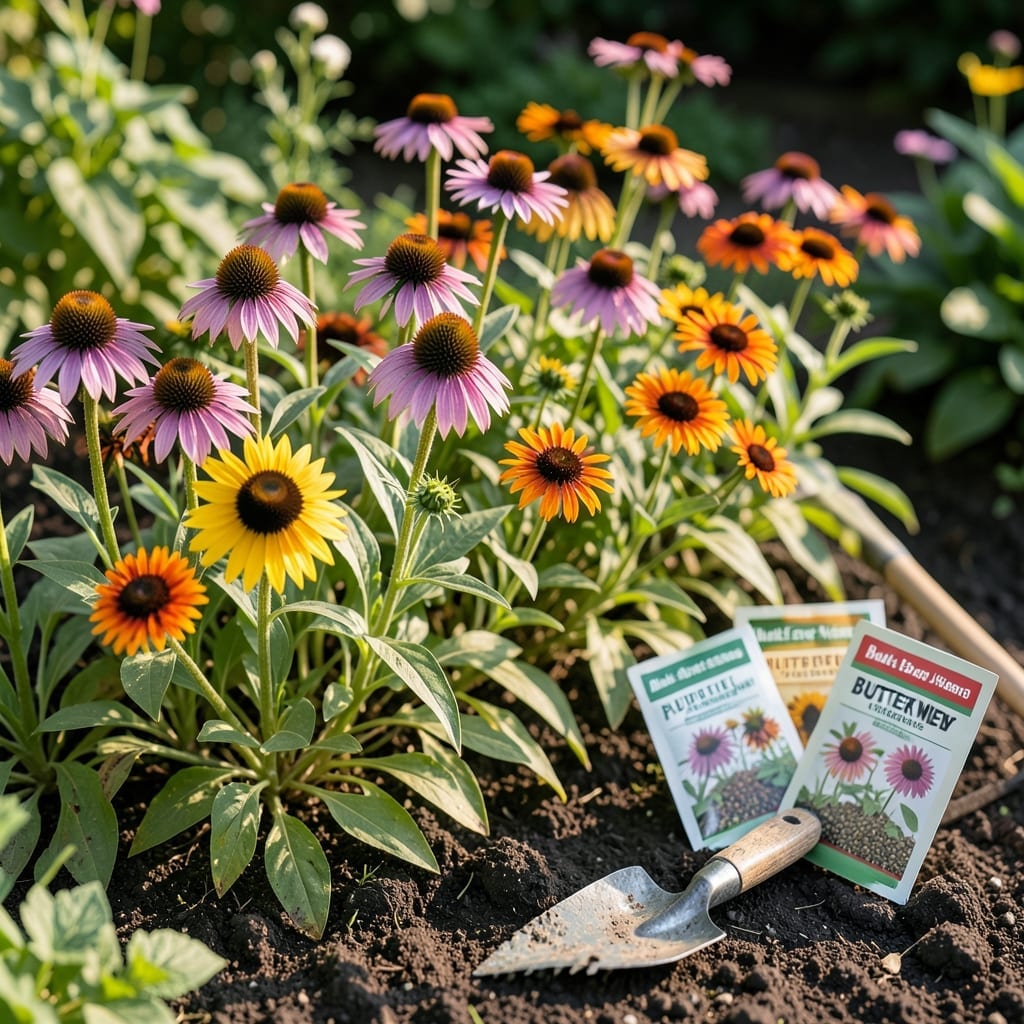
Timing is everything when planting wildflower seeds in New England, where the changing seasons dictate success or failure for your garden.
I’ve learned that getting this right means the difference between a vibrant meadow and a disappointing patch. The 🌸 Wildflower thrives when planted at just the right moment.
Whether you’re a seasoned gardener or just starting out, knowing the optimal windows can transform your approach. New England’s unique climate demands precision.
Discover the best times to sow seeds and set your garden up for a spectacular bloom from June through October.
New England’s unique climate demands precise timing for wildflower seed planting. The region spans USDA zones 5b-6a, with last frost typically around May 15 and first frost near October 15. This creates two ideal windows for sowing.
I’ve found that early spring (April-May) and late fall (August-September) work best. These periods avoid extreme temperatures and give seeds time to establish before harsh conditions set in.
| Season | Planting Window | Soil Temp | Key Benefit |
|---|---|---|---|
| Early Spring | April-May | 50-60°F | Spring blooms |
| Late Fall | August-Sept | 60-70°F | Natural stratification |
| Summer | Avoid | Too warm | Poor germination |
| Winter | Dormant | Frozen | Seeds inactive |
For spring planting, wait until after the last frost date to avoid losing seeds to cold snaps. The soil temperature should be at least 50°F for most native wildflowers to germinate properly.
Late summer to early fall is my favorite time. Planting in August or September allows seeds to establish roots before winter. The cold period provides natural stratification, which many wildflower species need to break dormancy.
In coastal areas of New England, you might start 1-2 weeks earlier in spring due to milder conditions. Inland and northern regions often require waiting until mid-May to be safe from frost.
Avoid summer planting entirely. The heat can dry out seeds before they sprout, and weed competition is fierce during these months. If you must plant in summer, choose drought-tolerant species like black-eyed Susans.
For fall planting, aim to finish sowing at least 6-8 weeks before the first hard frost. This gives seedlings enough time to develop strong root systems before winter dormancy.
I always recommend checking your local frost dates for the most accurate timing. New England’s weather can vary significantly even within the same zone, so local knowledge is key to success.
Remember that wildflower mixes often contain species with different requirements. Check the seed packet for specific instructions and adjust your timing accordingly.
With proper timing and care, your New England wildflower meadow will reward you with season-long color and a haven for pollinators like bees and butterflies 🌼
Choosing between spring and fall planting for wildflowers in New England depends on your goals and local conditions. Both seasons offer unique advantages for establishing a thriving meadow.
I’ve found that spring planting allows seeds to germinate quickly in warming soil, but fall planting can give wildflowers a head start for early blooms next year.
In my experience, fall planting often yields better results because it mimics nature’s timeline. The seeds experience winter cold, which breaks dormancy for stronger spring growth.
Spring planting works well if you miss the fall window, but requires more attention to soil moisture and weed control. Both methods can succeed with proper care.
For New England’s climate, I recommend late August to early September for fall planting. This gives seeds enough time to establish before winter.
Ultimately, the best choice depends on your specific location and wildflower species. Experiment to see what works best in your garden 🌼