
Beautiful Plants For Your Interior
Beautiful Plants For Your Interior
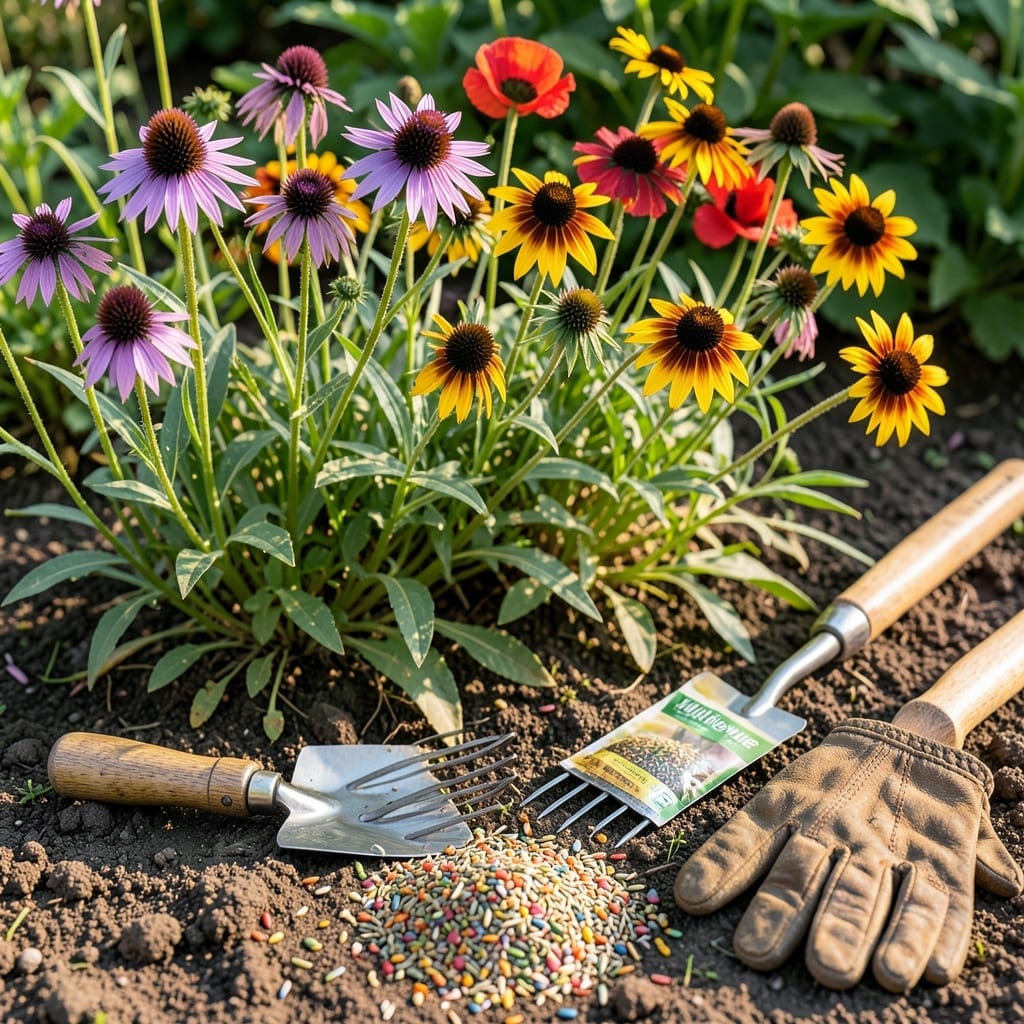
Timing is everything when planting Wildflower seeds in Maine’s Zone 5 climate. The harsh winters and short growing seasons here demand precision if you want vibrant, long-lasting blooms.
I’ve learned that getting this right means the difference between a lackluster garden and a stunning wildflower display. Maine’s unique conditions require careful planning to match the natural growing cycles of these beautiful plants.
Discover the best windows to plant your 🌼Wildflower seeds, whether you’re aiming for spring color or fall preparation. These timing tips will help you work with Maine’s climate, not against it.
Let me show you how to align your planting schedule with our local frost dates and soil conditions. With the right approach, you’ll see more blooms with less effort.
Maine’s Zone 5 climate presents unique challenges for wildflower planting, with its short growing season and cold winters. I’ve found the best windows are early spring or late summer to avoid frost damage.
For spring planting, aim for March to June, after the last frost date of May 15. This gives seeds time to establish before summer heat arrives.
| Planting Window | Months | Advantages |
|---|---|---|
| Early Spring | March-May | Avoids summer drought stress |
| Late Summer | August-September | Natural stratification over winter |
| Early Fall | October | Early spring blooms next year |
In my experience, late summer planting often yields the best results. The seeds benefit from natural stratification during winter, leading to stronger germination come spring.
For fall planting, August to October works well, but avoid planting too late. Seeds need 4-6 weeks to establish roots before the ground freezes.
Maine’s first frost typically arrives around October 1, so plan accordingly. I always check the 10-day forecast before sowing in fall.
Soil temperature is crucial for wildflower seeds. They germinate best when soil is 55-65°F. In spring, wait until the soil has warmed to at least 50°F.
For native wildflowers like Black-Eyed Susan or New England Aster, I recommend fall planting. These species are well-adapted to Maine’s climate and benefit from cold stratification.
If you’re planting a wildflower meadow, preparation is key. I always clear the area of weeds and loosen the soil to a depth of 1-2 inches before sowing. This improves seed-to-soil contact.
With proper timing and care, your wildflower garden will thrive in Maine’s unique conditions, bringing color and pollinators to your landscape for years to come. 🌼
In Maine’s Zone 5, both spring and fall planting have distinct advantages for wildflower seeds. Spring planting aligns with nature’s growth cycle, while fall planting allows seeds to stratify naturally over winter.
I’ve found that each season offers unique benefits depending on your goals. Fall planting often results in earlier blooms the following year, while spring planting gives you more control over initial growth conditions.
For early blooms, I recommend fall planting between August and October. This gives seeds time to establish before winter, often resulting in stronger plants come spring.
However, if you prefer more control over the process, spring planting after the last frost (around May 15) lets you baby your seedlings through their most vulnerable stage.
Consider your wildflower mix too. Some native species like New England aster and black-eyed Susan actually need cold stratification to germinate properly.
Ultimately, both methods work in Maine. The key is choosing based on your schedule and wildflower types. I’ve had success with both approaches in my own garden 🌼