
Beautiful Plants For Your Interior
Beautiful Plants For Your Interior
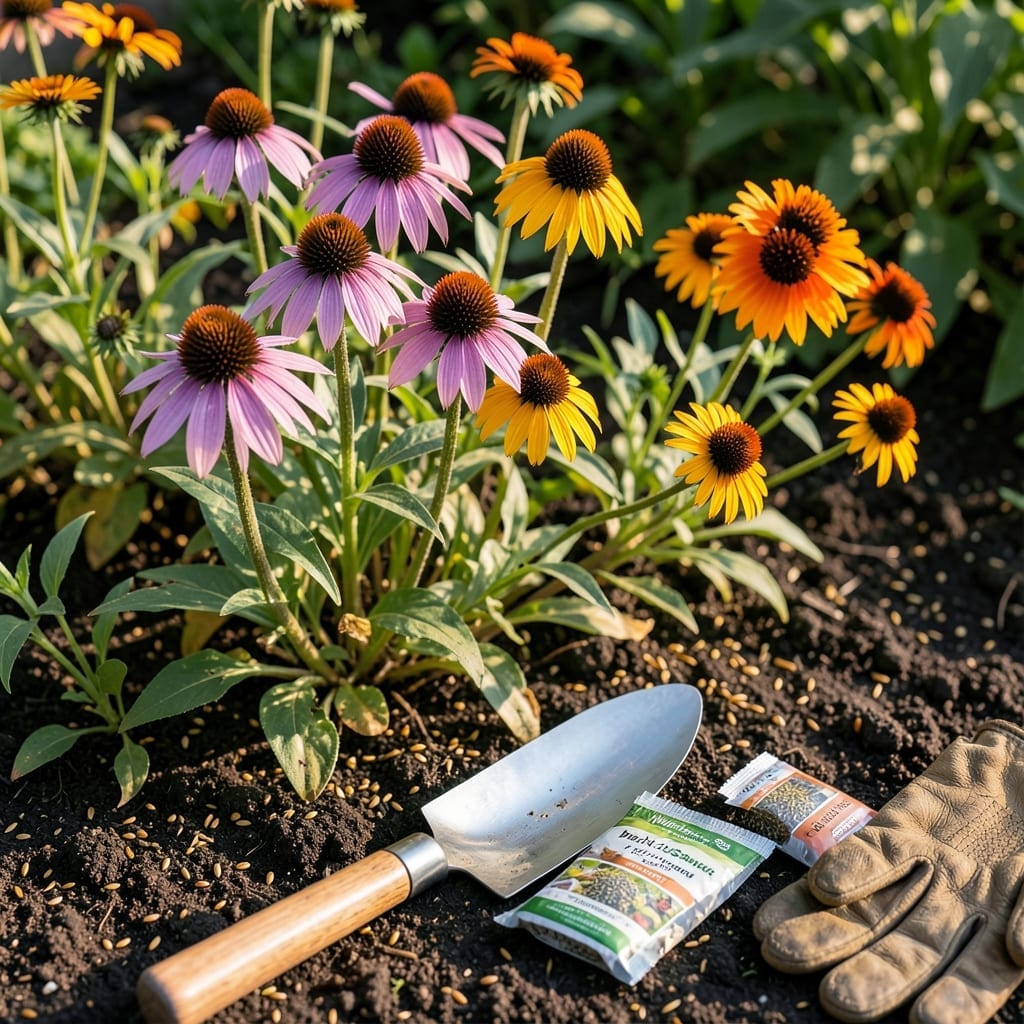
There’s a magic window when planting Wildflower 🌸 seeds in Kentucky that can turn your garden into a pollinator paradise. Miss it, and you might be left with lackluster blooms or no flowers at all.
As a Zone 6b gardener, I’ve learned that timing is everything. The difference between a thriving meadow and a disappointing patch often comes down to just a few weeks in spring or fall.
In this guide, I’ll share the exact planting calendar that works for Kentucky’s unique climate. You’ll discover why early spring and late fall are your best bets for success.
Let’s make sure your wildflowers get the strongest start possible. The vibrant blooms you’re dreaming of are closer than you think.
In Kentucky’s Zone 6, timing your wildflower seed planting is crucial for success. The best windows are early spring or early fall, when soil temperatures are ideal for germination. I’ve found that March to April and September to October work perfectly for most native species.
Spring planting lets seeds establish before summer heat, while fall planting allows for natural stratification over winter. Both methods ensure strong, vibrant blooms come the next growing season. Kentucky’s last frost is typically around April 15, so plan accordingly.
| Season | Planting Window | Soil Temp | Key Benefit |
|---|---|---|---|
| Spring | March-April | 50-60°F | Early establishment |
| Fall | September-October | 55-65°F | Natural cold stratification |
For spring planting, I recommend waiting until after the last frost date. This prevents tender seedlings from being damaged by late cold snaps. Wildflowers like Black-Eyed Susan and Butterfly Weed thrive when sown during this period.
If you choose fall planting, aim for at least 6-8 weeks before the first frost (around October 15 in Kentucky). This gives seeds enough time to settle into the soil before winter dormancy.
Soil temperature is a key factor. Wildflower seeds germinate best when soil is consistently above 50°F. Use a soil thermometer to check conditions before planting. I’ve seen the best results when soil is warm and moist.
Early spring has the added advantage of natural rainfall, which helps with initial watering. However, fall planting often leads to earlier blooms the following year, as seeds get a head start during winter’s cold, moist period.
For clay-heavy soils common in Kentucky, I suggest amending with compost before planting. This improves drainage and gives seeds a better chance to establish strong root systems.
Remember that native wildflowers are adapted to Kentucky’s climate. They require less maintenance once established and support local pollinators like bees and butterflies. I always include a mix of annuals and perennials for continuous blooms.
Finally, watering needs differ by season. Spring-planted seeds may need supplemental watering if rainfall is sparse, while fall-planted seeds typically rely on natural precipitation. Always keep soil moist but not waterlogged during germination.
With the right timing and care, your Kentucky wildflower meadow will flourish, providing color and life to your garden for years to come 🌻
Planting wildflower seeds in Kentucky’s Zone 6 requires careful attention to soil and weather. I always start by testing soil pH and amending with compost to improve drainage, especially in our heavy clay soil areas.
For best results, sow seeds shallowly—just 1/4 inch deep—so they get enough light to germinate. Kentucky’s unpredictable late frosts can be tricky, so I monitor forecasts closely.
I’ve found that early morning watering works best to prevent evaporation and fungal issues. A drip irrigation system can be a game-changer for larger meadows.
If you’re dealing with clay-heavy soil, mix in sand or organic matter to improve aeration. Wildflowers like Black-Eyed Susan and Purple Coneflower thrive in these conditions.
Don’t forget to thin seedlings if they’re too crowded—this gives each plant room to grow strong. I usually do this when they’re 2-3 inches tall.
Finally, be patient! Wildflowers often take 60-90 days to bloom, but the payoff is a vibrant, low-maintenance garden that supports local pollinators. ☀️