
Beautiful Plants For Your Interior
Beautiful Plants For Your Interior
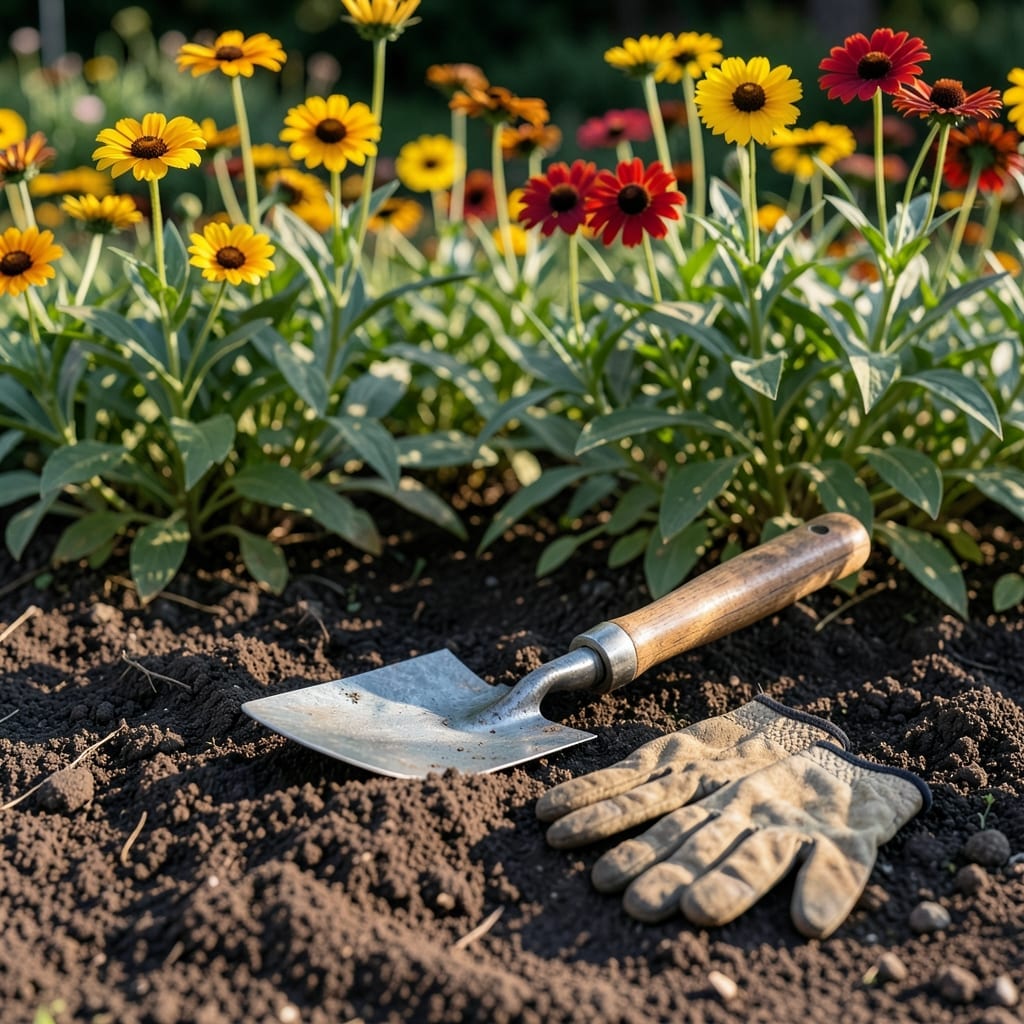
Timing is everything when it comes to planting 🌸 Wildflower seeds in Florida. Plant too early or too late, and you risk poor germination, weak growth, or a lackluster bloom.
Florida’s unique climate, spanning zones 8a-10b, means your planting window isn’t one-size-fits-all. The difference between a thriving wildflower meadow and a disappointing patch often comes down to just a few weeks.
I’ve seen gardeners struggle with timing year after year, but the solution is simpler than you think. Whether you’re in North, Central, or South Florida, there’s an optimal window that works with your local conditions.
Discover the seasonal calendar that takes the guesswork out of planting. Let me show you exactly when to sow those seeds for the best results.
Getting the timing right for wildflower seeds in Florida means understanding the state’s unique climate zones. North Florida has cooler winters, while Central and South Florida stay warmer year-round. This affects when seeds can germinate and thrive.
In North Florida, the best windows are September to November and February to April. These periods avoid extreme heat and frost. Central Florida follows a similar schedule but can plant a bit earlier in fall.
| Region | Fall Planting | Spring Planting | Notes |
| North Florida | Sept-Nov | Feb-April | Avoid frost dates |
| Central Florida | Sept-Nov | Feb-March | Milder winters |
| South Florida | Oct-Nov | Feb-March | No frost risk |
South Florida gardeners can plant October to November and February to March. With no frost risk, the focus is on avoiding the summer heat and heavy rains that can wash seeds away.
For all regions, soil temperature is key. Aim for 55-70°F for optimal germination. I always check with a soil thermometer before planting to ensure conditions are right.
Fall planting often yields the best results. The cooler temperatures and fall rains help seeds establish strong roots before winter. In North Florida, this also avoids the first frost that typically arrives in December.
Spring planting works well for a second wave of blooms. However, in South Florida, the dry season can make this tricky. I recommend supplemental watering to keep the soil moist during germination.
It’s also important to consider rainfall patterns. Florida’s wet season runs from May to October, which can complicate planting. I’ve found that early fall planting just before the rains taper off is ideal.
For those in coastal areas, salt spray and sandy soil may require additional preparation. I suggest amending the soil with compost to improve water retention and nutrient content.
Finally, remember that wildflowers are resilient but need the right start. By following these regional guidelines, you’ll set your seeds up for success and enjoy vibrant blooms throughout the growing seasons. 🌿
Florida’s diverse climate allows for a stunning variety of native wildflowers that thrive in different conditions. Choosing the right species for your region ensures vibrant blooms and healthy growth. Each wildflower has unique needs, from sun exposure to soil type.
I’ve tested and observed which species perform best in Florida’s zones 8a-10b. Some, like Coreopsis and Blanket Flower, are drought-tolerant and love the heat, while others prefer cooler months for optimal growth.
| header-cell”>Sun Needs | body”> | ||
|---|---|---|---|
| cell”>Full sun | row”> | cell”>Sept-Oct, Mar-Apr | cell”>Dry to medium |
| cell”>Full sun to part shade | Moist to dry |
For North Florida, I recommend planting Black-eyed Susan in early fall to avoid late frosts. This species establishes well before winter and bursts into bloom the following spring. It’s a hardy choice that handles temperature fluctuations beautifully.
In Central Florida, Coreopsis is a superstar. Its bright yellow flowers attract pollinators and tolerate the region’s sandy soils. Plant in September for spring blooms or February for a summer display.
South Florida gardeners should focus on heat-loving varieties like Blanket Flower. This drought-resistant wildflower thrives in the intense sun and can be planted in early fall or late winter for continuous color.
Remember, soil preparation is key. Remove weeds and loosen the top inch of soil before sowing. This simple step improves seed-to-soil contact and boosts germination rates significantly.
With the right species and timing, your Florida wildflower garden will be the envy of the neighborhood. Start small, observe what works, and expand your meadow year by year
🌸