
Beautiful Plants For Your Interior
Beautiful Plants For Your Interior
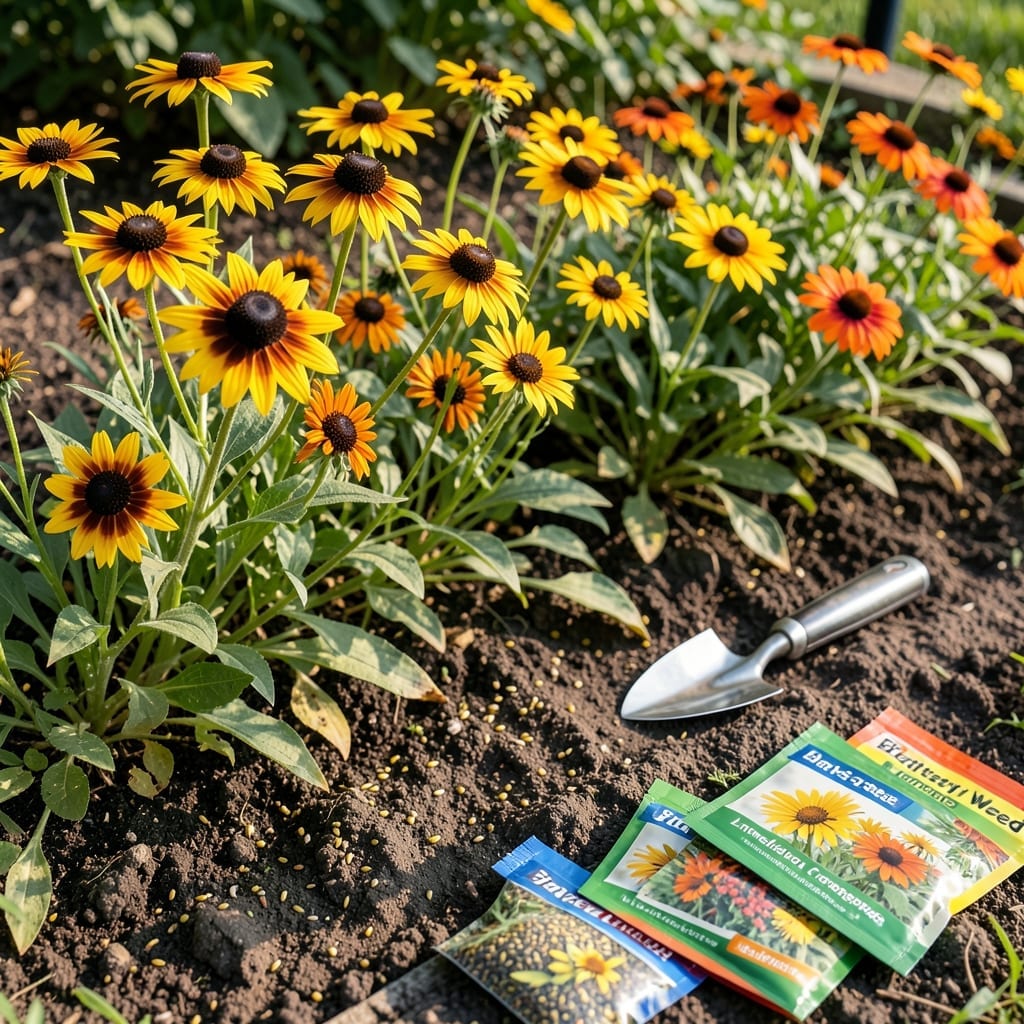
Timing is everything when it comes to planting Wildflower seeds in Alabama. The right season can mean the difference between a lackluster patch and a vibrant, thriving meadow.
I’ve seen firsthand how September to November or March to May brings the best results for 🌸 Wildflower in zones 7b-8a. These windows align perfectly with Alabama’s climate, giving seeds the ideal start.
Whether you’re a seasoned gardener or just starting out, knowing when to plant sets you up for success. No guesswork, just faster, more reliable blooms.
Discover how to make the most of these planting windows and watch your garden transform. Let’s dig in.
Alabama’s diverse climate zones mean planting times vary across the state. I’ve found that northern Alabama benefits from early fall sowing, while southern regions can plant slightly later. This flexibility ensures wildflowers thrive in every corner of the state.
Spring planting from March to May works well statewide, but fall planting from September to November often yields the most vibrant blooms. The cooler temperatures and autumn rains create perfect conditions for germination.
| Region | Best Planting Window | Key Consideration |
|---|---|---|
| Northern Alabama | Sept-Oct or March-April | Avoid late frost risk |
| Central Alabama | Sept-Nov or March-May | Moderate climate flexibility |
| Southern Alabama | Oct-Nov or March-May | Longer growing season |
The USDA zones 7b-8a cover most of Alabama, with southern areas being slightly warmer. This means wildflower seeds can be planted a bit later in the fall without worrying about early frosts. I always recommend checking your local frost dates for precision.
For spring planting, aim to sow seeds after the last frost date, typically around March 15 in most areas. This ensures young seedlings won’t be damaged by unexpected cold snaps. In my experience, early April planting often gives the best results for spring wildflowers.
Fall planting has its advantages too. The cooler soil and reduced weed competition give wildflower seeds a better chance to establish. I’ve noticed that seeds planted in October often produce earlier blooms the following spring.
If you’re in coastal Alabama, you might get away with planting as late as early December. The milder winters in these areas allow for more flexibility. However, I’d still recommend sticking to the September-November window for the most reliable results.
Remember that soil temperature is crucial. Wildflower seeds germinate best when soil temps are between 55°F and 70°F. In Alabama, this typically aligns with our recommended planting windows, but a soil thermometer can give you precise timing.
For those in urban areas like Birmingham or Huntsville, microclimates can affect planting times. I’ve seen Heat islands in cities allow for slightly earlier spring planting. Always observe your local conditions and adjust accordingly.
No matter where you are in Alabama, fall planting generally offers the most forgiving conditions. The combination of warm soil and cool air creates an ideal environment for seed germination and root development before winter.
I always remind gardeners that consistency in watering is key during the first 4-6 weeks after planting, especially if rainfall is sparse. This helps ensure strong establishment before the plants enter dormancy.
Planting wildflower seeds in Alabama is straightforward when you follow the right steps. I always start by clearing the area of weeds and debris to give seeds direct soil contact.
Next, loosen the top inch of soil with a rake. This helps seeds settle and root properly. Avoid digging too deep, as wildflowers thrive in disturbed soil conditions. 🌱
For even distribution, I mix seeds with sand before broadcasting. This prevents clumping and ensures full coverage. Lightly press seeds into soil, but don’t bury them deeply.
After planting, water gently to moisten the soil without washing seeds away. A fine mist works best. Keep the area consistently moist for the first 4-6 weeks until seeds germinate.
Once established, wildflowers are drought-tolerant and require minimal care. I reduce watering to once weekly unless we’re in a dry spell. This encourages deep root growth. 🌿
For best results, plant in full sun areas. Wildflowers need 6+ hours of direct sunlight daily to thrive. Morning sun is ideal, as it dries dew quickly, reducing disease risk.
Finally, be patient. Wildflowers may take 2-3 weeks to sprout, but the wait is worth it. You’ll soon have a colorful, low-maintenance meadow that supports local pollinators. 🌻