
Beautiful Plants For Your Interior
Beautiful Plants For Your Interior
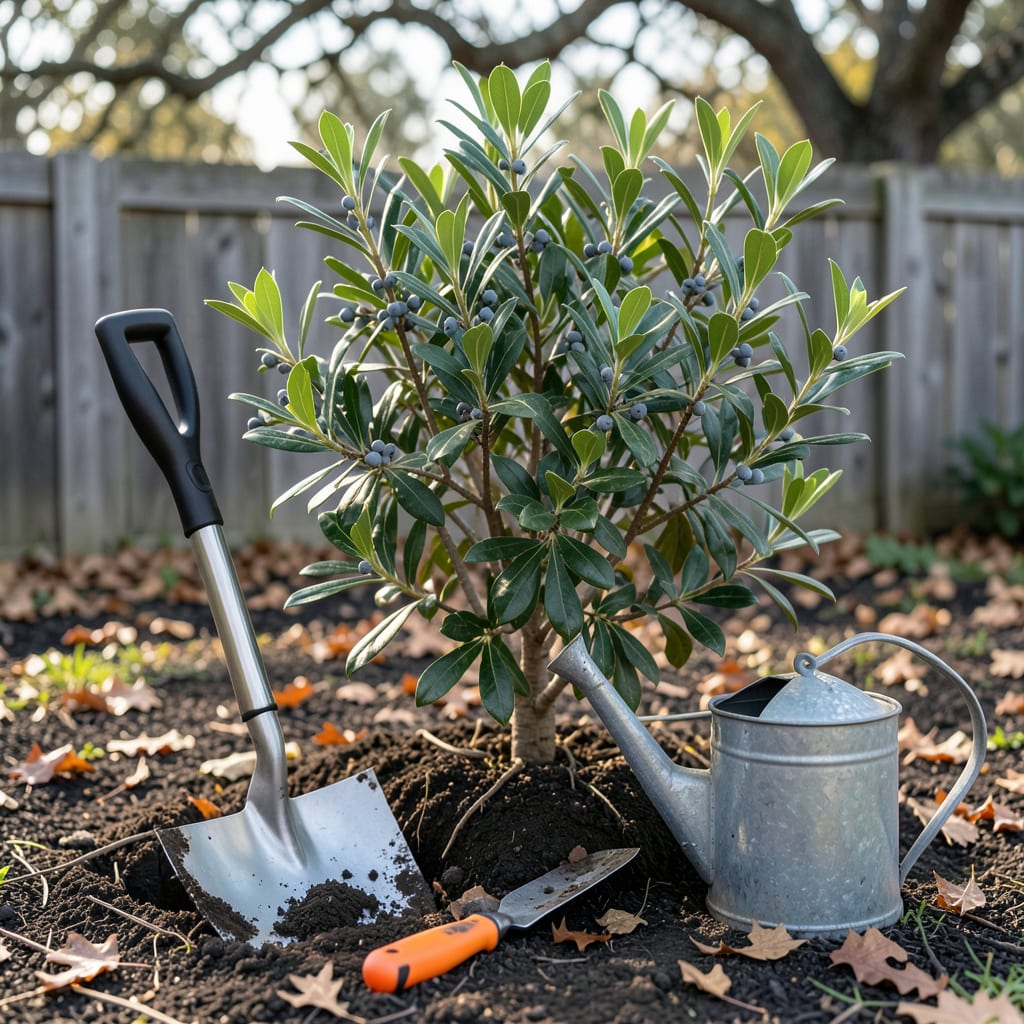
Texas gardeners know the struggle: plant too early, and frost might claim your shrubs; wait too long, and the scorching sun takes its toll. With wax myrtle, timing isn’t just important—it’s everything for establishing those lush, evergreen screens we love.
After helping dozens of neighbors get this right, I’ve pinpointed the ideal windows for Texas’s wild climate swings. Whether you’re in the Piney Woods or Hill Country, I’ll show you exactly when to plant for shrubs that thrive—not just survive—through our brutal summers and unpredictable winters.
If you’re eager to add wax myrtle to your Texas landscape, timing your planting right is crucial. This native shrub thrives when planted during cooler seasons, avoiding the extreme summer heat that can stress young plants. I’ve found that fall planting often yields the best results across most of Texas.
Texas spans multiple USDA zones (6b-10a), meaning planting windows vary. In North Texas (Zones 6b-8a), aim for September to November to give roots time to establish before winter. Coastal and South Texas gardeners (Zones 8b-10a) can plant slightly later, even into early December in mild years.
| USDA Zone | Best Planting Window | Secondary Option | Key Consideration |
|---|---|---|---|
| 6b-7a (Panhandle, North TX) |
Sept 15–Oct 30 | March 15–April 15 | Avoid late fall planting—first frost can arrive by early November. |
| 7b-8a (Dallas, Austin, Hill Country) |
Oct 1–Nov 15 | Feb 15–March 30 | Clay soil dominates—amend with compost for better drainage. |
| 8b-9a (Houston, San Antonio, Gulf Coast) |
Oct 15–Dec 1 | Jan 15–Feb 28 | Humidity helps establishment, but watch for fungal issues in dense soils. |
| 9b-10a (Brownsville, Corpus Christi) |
Nov 1–Dec 15 | Year-round (avoid July-August) | Salt-tolerant—ideal for coastal landscapes. Mulch to retain moisture. |
For spring planting, target February through early April in most regions. This works well if you missed the fall window, but be prepared to water more frequently as temperatures rise. In West Texas (Zones 7a-8a), spring planting is riskier due to low rainfall and high winds.
Wax myrtle handles Texas heat once established, but young plants need protection. If planting in spring or summer, choose container-grown specimens over bare-root—they adapt faster. I recommend morning sun with afternoon shade for summer plantings to reduce stress.
Soil temperature matters too. Wax myrtle roots grow best when soil is 60–75°F. Use a soil thermometer to check—if it’s too cold (below 55°F) or too hot (above 85°F), delay planting. In East Texas, where soils stay moist longer, ensure your site has good drainage to prevent root rot.
If you’re in urban areas like Dallas or Houston, watch for “heat islands”—paved surfaces can raise local temps by 5–10°F. Plant near shade structures or taller trees to mitigate this. For rural Texas, windbreaks may be needed in open areas to protect young shrubs.
Remember, wax myrtle is drought-tolerant once established, but new plants need consistent moisture for the first 6–12 months. A 2–3 inch layer of mulch helps retain soil moisture and regulate temperature. I like using native hardwood mulch—it breaks down slowly and mimics the plant’s natural habitat.
For coastal Texas gardeners, wax myrtle’s salt tolerance makes it a star performer. Plant it as a hedge or windbreak—it handles sandy soils and salt spray better than many alternatives. Just avoid planting in low-lying areas that may flood during tropical storms.
Finally, if you’re planting multiple wax myrtles for a privacy screen, space them 5–6 feet apart. This allows airflow to prevent fungal issues while creating a dense hedge over time. In Central Texas, where deer pressure is high, wax myrtle’s fragrant foliage often deters browsing—another bonus! 🌿
Planting wax myrtle in Texas isn’t just about picking the right month—it’s about preparing for our state’s unique challenges. From clay-heavy soils to 100°F summers, getting these five factors right will make or break your shrubs’ success. Let’s dig into what really matters beyond the calendar.
First up: soil preparation. Texas soils range from gummy clay in Dallas to sandy loam on the coast. Wax myrtle adapts well, but I always recommend amending with 2–3 inches of compost and testing drainage before planting. If water pools after a rain, consider raised beds or French drains for heavy clay areas.
Watering is where I see most Texas gardeners go wrong. Wax myrtle is drought-tolerant once established, but new plants need consistent moisture. In clay soils (common in Central Texas), water slowly and deeply to avoid runoff. For sandy coastal soils, shorter, more frequent sessions work better. Always water at the base of the plant—never overhead—to prevent fungal issues.
Sun exposure needs careful management, especially in summer. While mature wax myrtles handle full Texas sun, young plants benefit from partial shade during peak heat (1–4 PM). In urban areas, reflect heat from pavements by planting at least 5 feet from driveways or using light-colored mulch to deflect sunlight.
Don’t overlook wind protection, particularly in West Texas or coastal areas. Wax myrtle’s flexible branches handle light breezes, but sustained 20+ mph winds can desiccate leaves or snap new growth. I’ve had great success using temporary windbreaks made from wooden stakes and burlap for the first year. In hurricane-prone zones, plant in clusters to create mutual support.
Finally, post-planting care sets the stage for long-term success. After planting, prune only to remove damaged branches—avoid heavy shaping for the first year. Fertilize lightly in early spring with a balanced 10-10-10 formula, but skip fertilizer in summer heat. Watch for scale insects (common in humid East Texas) and treat with horticultural oil if needed.
Remember, wax myrtle’s fragrant foliage and wildlife benefits make it worth the effort. Once established, it’s one of the most low-maintenance Texas natives you can grow—just give it the right start! 🌿
I get asked all the time: “Can I plant wax myrtle in Texas summer?” The short answer? It’s risky but doable with the right precautions. Our 100°F+ temperatures and low humidity in many regions create stressful conditions for new plants. But if summer is your only option, here’s how to beat the heat.
First, understand that container-grown plants survive summer planting far better than bare-root. Their established root systems handle transplant shock better. I always recommend 5-gallon or larger containers for summer planting—the bigger the root ball, the higher your success rate. Look for specimens with healthy, dark green foliage and no signs of wilting.
For West Texas gardeners, summer planting is particularly challenging due to low humidity and high winds. If you must plant then, create windbreaks using burlap screens and water twice daily for the first month. In coastal areas, salt spray adds another stressor—rinse foliage with fresh water weekly to prevent leaf burn.
The best summer workaround I’ve found is temporary shading. Use 50% shade cloth on a simple PVC frame for the first 3-4 weeks. This cuts heat stress while allowing dappled light. Remove it gradually to acclimate plants. For container plantings, bury the pot in the ground—this insulates roots while the plant adjusts.
Success rates vary by region. In my experience, East Texas gardeners see about 70% success with careful summer planting, while West Texas success drops to 40-50% without extra protection. The Gulf Coast falls in between at 60%, thanks to higher humidity but also more pests.
If you’re determined to summer-plant, monitor soil moisture daily. Stick your finger 2-3 inches deepsoaker hoses on a timer for consistent moisture without wetting foliage. Remember, wax myrtle’s first summer is always the toughest—once established, it becomes remarkably drought-tolerant and heat-resistant. 🌿
Fall planting (September–November) gives roots time to establish before winter dormancy. The cooler temps and consistent rainfall reduce transplant shock, while spring plantings often struggle with sudden heat spikes. Coastal Texas can push planting into early December for best results.
It’s possible but risky. Container-grown plants have higher success rates with shade cloth and daily watering. East Texas gardeners see ~70% success, while West Texas drops to 40-50% without extra protection. Morning planting and 3-4″ mulch are critical.
Space plants 5-6 feet apart for a dense hedge. This allows airflow to prevent fungal issues while creating full coverage in 2-3 years. In windy areas like West Texas, consider 4-foot spacing initially and thin later if needed.
Overwatering in clay soil! Many assume “more water = better,” but soggy roots lead to rot. Water deeply 2x/week for 6 months, then taper to 1x/week. Always check soil moisture 2-3 inches deep before watering.
Yes, but timing matters. In Zones 6b-7a, plant by October 15 to avoid frost damage. Apply 2-3 inches of mulch around the base (not touching the trunk) for insulation. Established plants handle 10°F once acclimated.
