
Beautiful Plants For Your Interior
Beautiful Plants For Your Interior
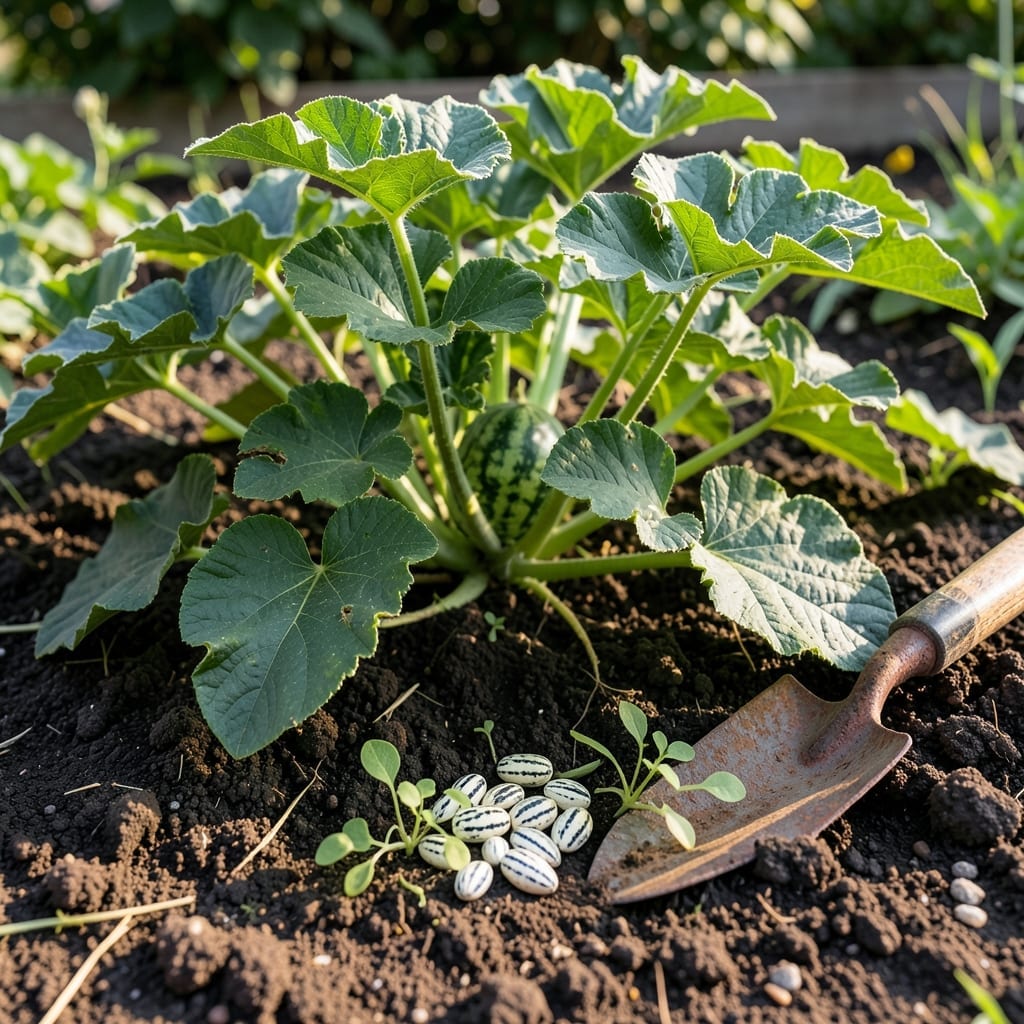
Timing is everything when growing juicy, sweet 🍉 Watermelon in East Texas’ unique climate. Plant too early, and a late frost could ruin your crop.
Plant too late, and the summer heat may stress your vines before they bear fruit. This region’s 8a zone demands precision.
I’ve learned the hard way that waiting for soil to reach 70°F makes all the difference. The window is narrow but rewarding.
Discover the exact timing that turns East Texas summers into a watermelon lover’s paradise.
East Texas’ USDA zones 8a-8b give us a long growing season, but timing your watermelon planting is key. The last frost date here is around March 15, but soil warmth matters more than air temperature for these heat-lovers.
I always wait until soil temps hit 70°F—usually mid-April—before sowing seeds directly. Planting in cold soil leads to poor germination and weak seedlings, so patience pays off.
| Season | Planting Window | Notes |
|---|---|---|
| Early Spring | March 15 – April 1 | Risky; use row covers if soil is cold |
| Spring | April – May | Ideal window; soil is warm and frost-free |
| Early Summer | June | Possible for fast-maturing varieties |
For early harvests, I start seeds indoors 3-4 weeks before transplanting. But direct sowing works best in East Texas’ humid climate—just ensure the soil stays consistently warm.
Mid-April to early May is my go-to window. This gives vines time to establish before the scorching summer heat arrives. Varieties like ‘Sugar Baby’ mature in 75-80 days, perfect for this timeline.
If you miss the spring window, don’t panic. You can plant a second crop in early June for a late summer harvest. Just choose short-season varieties like ‘Black Diamond’ or ‘Crimson Sweet’.
Soil temperature is non-negotiable. Use a soil thermometer to check—70-80°F is the sweet spot. In East Texas, this usually aligns with air temps in the 80s°F during the day.
Watermelons need full sun and well-draining soil. In our region’s clay-heavy ground, I recommend amending with compost or planting in raised beds to improve drainage.
Watch the 10-day forecast before planting. A cold snap after sowing can set you back weeks. I’ve learned the hard way—one late frost can wipe out young seedlings overnight.
For the best results, space plants 3-5 feet apart in rows 6-8 feet apart. This gives vines room to sprawl and improves air circulation, reducing disease risk in our humid summers.
🌿Finally, remember that consistent moisture is critical during germination. I use drip irrigation to keep the soil evenly damp without waterlogging. Once vines establish, you can taper off slightly.
Preparing your East Texas soil properly is key to growing sweet, healthy watermelons. The region’s clay-heavy soil can be dense, so I always start with a soil test to check the pH level. Watermelons thrive in slightly acidic soil between 6.0 and 6.8. 🌱
Once you know your pH, focus on improving drainage and adding organic matter. I mix in plenty of compost or aged manure to loosen the soil and boost fertility. If drainage is still an issue, consider planting in raised beds to prevent waterlogging. ☀️
In East Texas, our hot summers can dry out soil quickly. That’s why I recommend adding a 2-3 inch layer of mulch around your watermelon plants to retain moisture and suppress weeds. Straw or shredded leaves work great for this. 🌿
If you’re working with poor soil, don’t worry—watermelons are heavy feeders, so a little extra effort goes a long way. I like to work in a slow-release fertilizer at planting time to give my vines a steady supply of nutrients throughout the growing season.
For those in low-lying areas, raised beds are a game-changer. They improve drainage and allow the soil to warm up faster in spring. Just make sure your beds are at least 12 inches deep to accommodate the watermelon’s extensive root system.
Finally, remember that consistent moisture is critical, especially during the first few weeks after planting. I water my watermelons deeply once a week, giving them about 1-2 inches of water each time. This encourages strong root development. 💧