
Beautiful Plants For Your Interior
Beautiful Plants For Your Interior
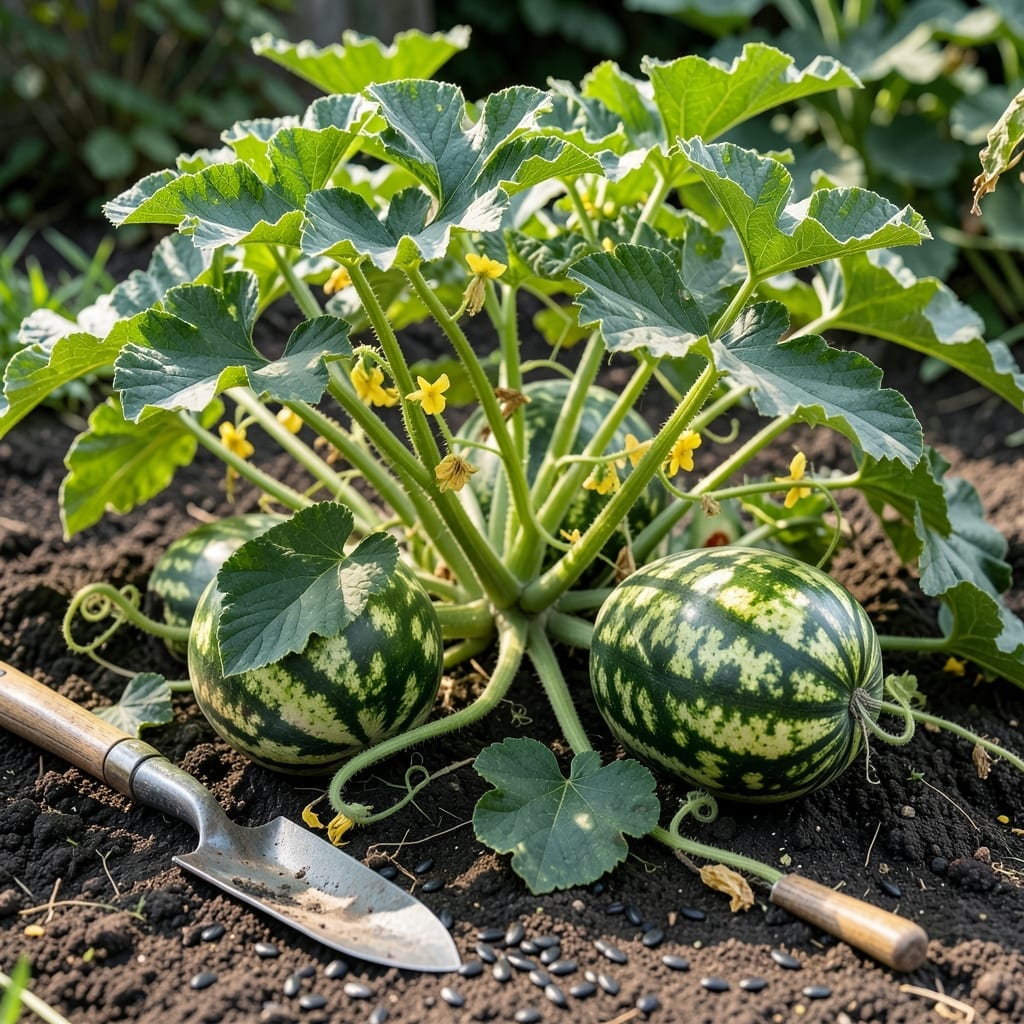
Timing is everything when planting 🍉 Watermelon seeds in Florida. Plant too early and cold soil stunts growth, but wait too long and scorching heat can ruin your harvest.
Florida’s unique climate zones demand precision. Whether you’re in North, Central, or South Florida, knowing your local frost dates and soil warmth makes all the difference for sweet, juicy melons.
I’ve tested various planting windows across the state, and the results are clear. The right timing leads to bigger yields and sweeter fruit, while poor timing often ends in disappointment.
Discover the perfect window for your area and learn how to work with Florida’s seasons, not against them. Your best harvest starts with this first step.
Florida’s diverse climate means planting times vary by region. In North Florida (Zones 8a-8b), I wait until mid-March to early April when soil warms to 70°F+. This avoids late frost damage while ensuring strong germination.
For Central Florida (Zone 9), the window opens earlier. I start seeds late February through March. The region’s milder winters allow for a longer growing season without frost risks.
| Region | Planting Window | Soil Temp | Harvest Time |
|---|---|---|---|
| North Florida | Mid-March to Early April | 70°F+ | June to July |
| Central Florida | Late February to March | 70°F+ | May to June |
| South Florida | January to March | 75°F+ | April to May |
South Florida (Zones 10a-10b) gardeners can plant as early as January. The tropical climate means no frost risk, but I monitor for heat stress as summer approaches. Aim for 75°F+ soil here.
Soil temperature is critical. I use a soil thermometer to check depths of 2-3 inches. Watermelon seeds won’t germinate well below 70°F, and 80°F+ is ideal for rapid sprouting.
For fall planting, timing is trickier. In North Florida, I sow seeds in late August for a October harvest. Central and South Florida can push this to early September, but watch for early cold snaps.
Microclimates matter too. Coastal areas stay warmer, while inland spots may cool faster. I adjust my planting dates by 1-2 weeks based on local conditions. Urban heat islands can allow for earlier planting.
Remember that variety selection impacts timing. I choose heat-tolerant varieties like ‘Crimson Sweet’ for summer planting. For cooler periods, ‘Sugar Baby’ matures faster, fitting tighter windows.
Consistent moisture is key during germination. I water gently but daily until seeds sprout, then scale back. Mulching with black plastic helps retain heat and moisture in cooler zones.
Lastly, I always check the 10-day forecast before planting. A surprise cold front can set back young seedlings, so I keep row covers handy for protection. This small step saves my harvest more often than not.
☀️Florida’s long growing season is a watermelon gardener’s dream, but even here, timing and technique matter. I’ve found that with a few smart strategies, you can stretch your harvest window by weeks or even months.
Start by warming your soil early with black plastic mulch. This simple trick can raise soil temperatures by 5-10°F, allowing for earlier planting in North and Central Florida.
For succession planting, I sow new seeds every 2-3 weeks until late April. This staggering ensures a continuous harvest rather than one big flush of fruit.
In South Florida, where frost is rare, you can even try a fall crop. Plant in late August for a October-November harvest, but watch for pest pressure as temperatures cool.
Heat-tolerant varieties like ‘Crimson Sweet’ or ‘Sugar Baby’ perform best in Florida’s intense summer. These handle high temperatures better than traditional types.
Finally, don’t forget shade cloth for young plants during heat waves. A little protection can prevent sunburned leaves and stressed vines. ☀️