
Beautiful Plants For Your Interior
Beautiful Plants For Your Interior
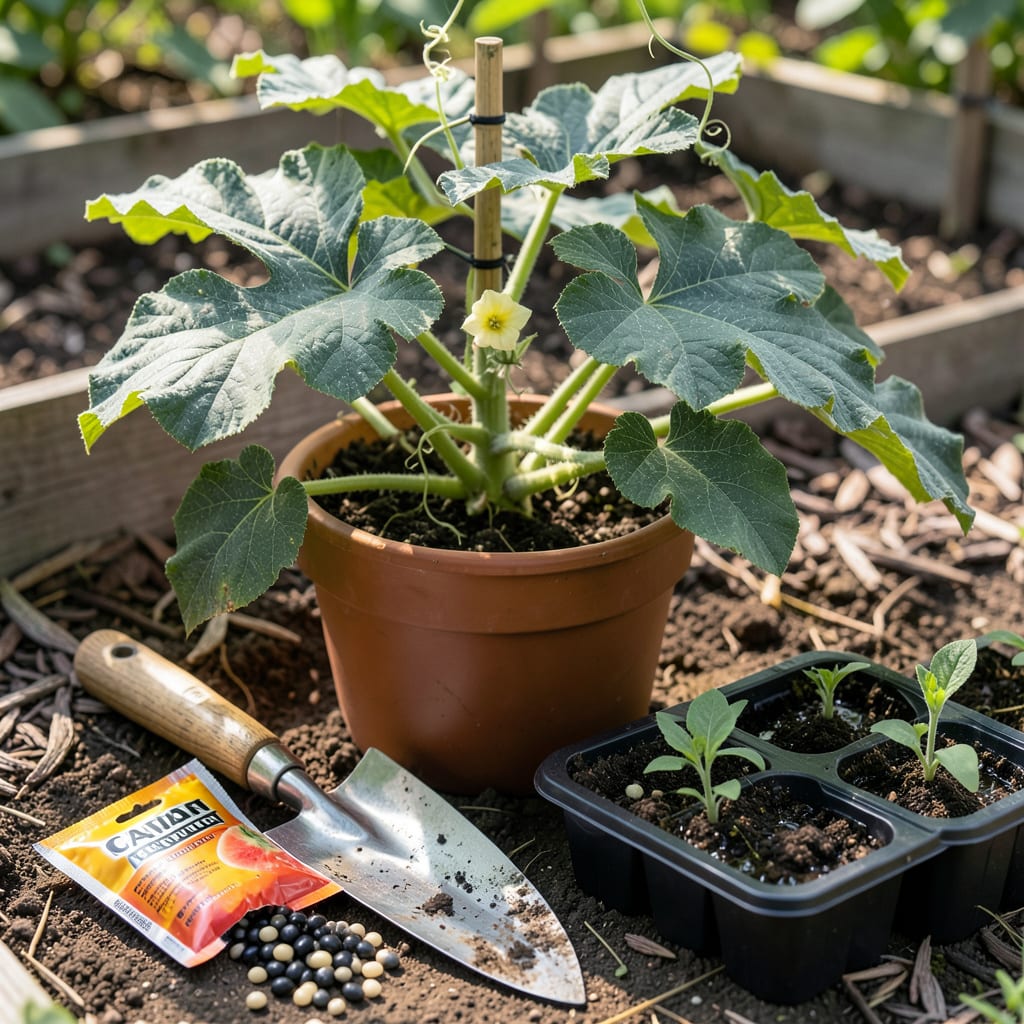
Timing your watermelon planting in Southern California can mean the difference between a lackluster harvest and juicy, sun-sweetened success. Our region’s unique climate—with its warm springs and scorching summers—demands precision.
Get it right, and you’ll be rewarded with 🍉 bursting with flavor by mid-summer. I’ll break down the exact windows for coastal vs. inland areas, plus the soil secrets that ensure your vines thrive from the start. No guesswork, just proven timing.
Southern California’s diverse microclimates mean your watermelon planting schedule depends heavily on where you live. In coastal areas like San Diego or Los Angeles, cooler ocean breezes delay soil warming, while inland valleys and deserts heat up much faster. I’ll break down the best timing for each region.
For all zones, the golden rule is waiting until soil temperatures hit 70°F. This usually happens in late March for deserts, April for inland areas, and early May for coastal spots. Use a soil thermometer—don’t guess! The difference between a thriving vine and a rotten seed often comes down to those few degrees.
| Region | USDA Zone | Ideal Planting Window | Last Frost Date | Notes |
|---|---|---|---|---|
| Coastal (LA, SD) | 10a-11 | May 1 – June 15 | Feb 15 | Cooler springs—use black plastic mulch to warm soil faster. |
| Inland (Riverside, IE) | 9b-10a | April 1 – May 30 | March 1 | Hot summers—plant early to avoid heat stress during fruiting. |
| Desert (Palm Springs) | 9a | March 15 – April 30 | Feb 1 | Extreme heat—provide afternoon shade for young plants. |
If you’re in a coastal zone, I recommend starting seeds indoors 3-4 weeks before transplanting to get a head start. Use biodegradable pots to avoid root shock. For inland gardeners, direct sowing works well—just ensure your soil is amended with compost for moisture retention.
Desert growers face a unique challenge: 100°F+ summers. Plant early-maturing varieties like ‘Sugar Baby’ (75 days) or ‘Golden Midget’ (70 days) to harvest before peak heat. Mulch heavily with straw or wood chips to keep roots cool and conserve water.
Don’t forget about succession planting! In zones 9-11, you can plant a second crop in late July for a fall harvest. Just ensure you’ll have 90 frost-free days before your first expected frost (rare in SoCal, but possible in December for some areas).
For container gardeners, timing is similar, but watch for rapid soil drying. I use self-watering pots or drip irrigation to maintain consistent moisture. Remember, watermelons need at least 5 gallons of soil per plant—bigger is better for fruit development.
Pro tip: Check your local microclimate using tools like the UC Master Gardener Program’s climate maps. A difference of just 5 miles can shift your planting window by 2 weeks! When in doubt, ask neighbors or visit a local nursery for hyper-local advice.
Finally, always harden off seedlings before transplanting, even in warm SoCal. Move them outdoors for increasing hours over 5-7 days to prevent shock. This step is crucial for coastal gardeners where spring winds can be harsh on tender plants.
By matching your planting schedule to your specific zone and preparing your soil properly, you’ll set your watermelons up for success. The reward? Sweet, juicy melons ready to harvest in as little as 70-90 days—just in time for those classic Southern California summer barbecues! ☀️🌱
Southern California’s heat can be a watermelon’s best friend—or its worst enemy. I’ve seen too many gardeners make avoidable mistakes that lead to stunted vines or bitter fruit. Let’s tackle the top three pitfalls so you can sidestep them and grow the sweetest melons possible.
First up: overwatering in coastal areas. Humidity near the ocean tricks gardeners into thinking plants need more water. In reality, soggy soil invites root rot and fungal diseases. Stick to deep watering 2-3 times weekly and always check soil moisture before adding more.
⚠️ Warning: Never water watermelons at night in SoCal! Evening moisture on leaves promotes powdery mildew, especially in humid coastal zones. Water at dawn to let foliage dry quickly.
Fix it: Use drip irrigation to keep water off leaves. Set timers for 5–7 AM to maximize absorption before heat peaks.
The second mistake is ignoring soil prep. Watermelons crave loose, well-draining soil with plenty of organic matter. I’ve pulled up sad, tiny melons from gardeners who planted in compacted clay or sandy desert soil without amending it first. Mix in 3–4 inches of compost and consider raised beds if your native soil is poor.
Desert gardeners, this one’s for you: skipping afternoon shade for young plants. While mature vines handle heat, seedlings can fry in 100°F+ temps. Use 30% shade cloth for the first 2–3 weeks, then gradually remove it as plants establish. Even inland growers should watch for heat waves—a temporary shade can save your crop.
Another common error? Planting too close together. Watermelon vines need 3–4 feet of space to sprawl. Crowded plants compete for nutrients and water, leading to smaller, less sweet fruit. If space is tight, train vines vertically on a sturdy trellis (use slings to support heavy melons).
Finally, don’t overlook pest prevention. Cucumber beetles and squash bugs love SoCal as much as we do! I lost an entire crop once by ignoring the first few beetles. Now, I inspect plants daily and use neem oil sprays at the first sign of trouble. Row covers work well for young plants—just remove them when flowers appear for pollination.
By avoiding these mistakes, you’ll set your watermelons up for success. Remember, SoCal’s long growing season is a gift—just treat your plants right, and they’ll reward you with sweet, juicy melons all summer long! 🌱☀️
Southern California’s long growing season is perfect for watermelons, but choosing the right varieties and techniques can cut weeks off your harvest time. I’ve tested dozens of types and found the fastest producers for our climate. Let’s focus on the winners that deliver sweet, juicy melons in record time.
The star of the show? ‘Sugar Baby’—this compact variety matures in just 75 days and thrives in our heat. Its small size (6–8 lbs) makes it ideal for containers or tight spaces. For something even quicker, try ‘Golden Midget’ at 70 days, with bright yellow flesh that’s surprisingly sweet.
For desert gardeners, I swear by ‘Desert King’—a heat-tolerant heirloom that produces 10–12 lb fruits in 80 days. Pair it with shade cloth for young plants, then remove it once vines establish. This combo has saved my crops during 110°F+ heat waves.
Coastal growers should try ‘Crimson Sweet’ (85 days), which handles humidity better than most. The secret here is raised beds—they improve drainage and warm soil faster than ground planting. Add a layer of compost before planting to boost nutrient availability in sandy soils.
Want to push your harvest even earlier? Start seeds indoors 4 weeks before transplanting using peat pots to minimize root disturbance. I’ve gotten melons 2 weeks sooner with this method. Just
By combining these fast-maturing varieties with heat-boosting techniques, you’ll be harvesting ripe, sweet watermelons while neighbors are still waiting for their first blooms. The key is working with our climate, not against it! ☀️🌱
For coastal zones like LA or San Diego, wait until early May when soil reaches 70°F. Use black plastic mulch to warm soil faster if you’re eager to start. Planting too early risks slow germination or rot.
Choose compact varieties like ‘Sugar Baby’ and use a 5+ gallon container per plant. Ensure it has drainage holes and use a trellis for support. Containers dry out faster, so check moisture daily in summer.
Use 30% shade cloth for the first 2-3 weeks to prevent scorching. Water deeply at dawn and mulch with straw or wood chips to keep roots cool. Desert King is a heat-tolerant variety that thrives in extreme temps.
Consistent watering and high phosphorus fertilizer (5-10-10) are key. Reduce water as fruits ripen to concentrate sugars. Coastal growers should choose varieties like ‘Crimson Sweet’ that handle humidity well. Harvest when the tendril nearest the stem turns brown.
Yes! In zones 9-11, plant fast-maturing varieties like ‘Mini Love’ (65 days) in late July for fall harvests. Ensure you have 90 frost-free days left. Use row covers if nights cool down unexpectedly.
