
Beautiful Plants For Your Interior
Beautiful Plants For Your Interior
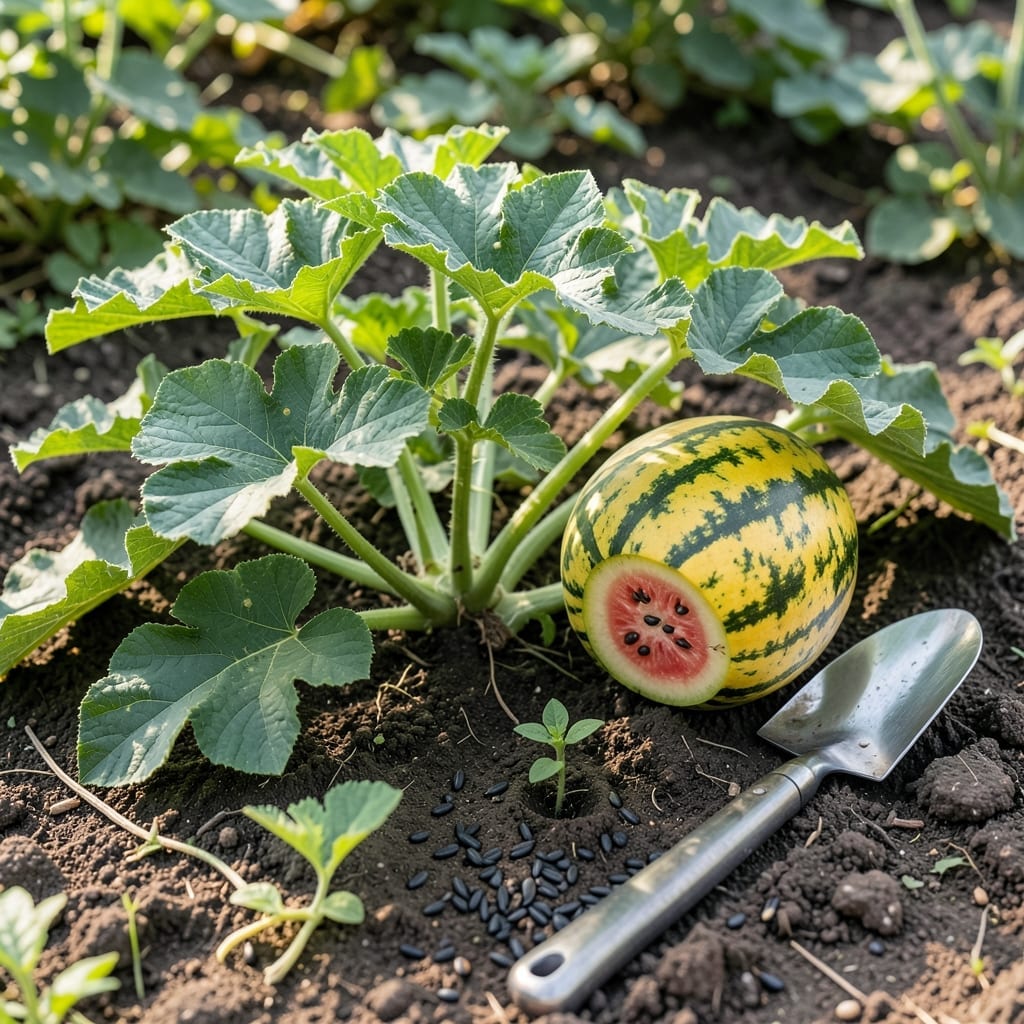
Timing is everything when growing 🍉 Watermelon in South Florida’s unique subtropical climate. Plant too early or too late, and you risk poor yields or disease.
This region’s 10a-11a zones offer nearly year-round growing potential, but there’s a sweet spot for the best results. The right timing means juicier fruits and faster growth.
I’ve tested various planting windows, and the differences are striking. Whether you’re a seasoned gardener or just starting, nailing this timing will set you up for success.
Discover the ideal months to plant and why they matter so much for your Watermelon harvest. Let’s get it right the first time.
South Florida’s USDA zones 10-11 offer a nearly year-round growing window, but watermelons thrive best when planted during specific times. The ideal soil temperature for germination is 70-80°F, which typically occurs in late winter to early spring.
For the best results, aim to plant between February and March for a spring harvest or August to September for a fall yield. This timing avoids the peak summer heat and humidity, which can stress plants and reduce fruit quality.
| Season | Planting Window | Soil Temp | Harvest Time |
|---|---|---|---|
| Spring | Feb-Mar | 70-80°F | June-July |
| Fall | Aug-Sep | 75-85°F | Nov-Dec |
Watermelons are warm-season crops that cannot tolerate frost. In South Florida, frost is rare, but cold snaps in January can still damage young plants. Always check the 10-day forecast before planting.
I recommend starting seeds indoors 2-3 weeks before your planned outdoor planting date. This gives them a head start and ensures stronger seedlings when transplanted. Use biodegradable pots to minimize root disturbance.
The humidity in South Florida can lead to fungal diseases like powdery mildew. To combat this, space plants 3-5 feet apart for proper airflow. Morning watering also helps prevent foliar diseases by allowing leaves to dry quickly.
For fast-maturing varieties like ‘Sugar Baby’, you can plant as late as early May for a summer harvest. However, avoid planting in June or July, as the intense heat and heavy rains can lead to poor fruit set.
Soil preparation is key. Watermelons prefer well-draining, sandy loam soil with a pH of 6.0-6.8. Amend your soil with compost or aged manure before planting to improve fertility and structure.
If you’re planting in raised beds, ensure they’re at least 12 inches deep to accommodate the extensive root system. Watermelon vines can spread 10-20 feet, so give them plenty of room or use a trellis for vertical growth.
Finally, monitor daylight hours. Watermelons need 8-10 hours of full sun daily. In South Florida, the long days of spring and summer provide ideal conditions for rapid growth and sweet, juicy melons. ☀️
With the right timing and care, you’ll be rewarded with a bountiful harvest of homegrown watermelons that are far superior to store-bought. Happy planting! 🌱
Choosing the right watermelon variety is just as important as timing. In South Florida’s zones 10-11, some types thrive better than others due to heat tolerance and disease resistance.
For example, ‘Sugar Baby’ matures in 75-80 days, making it perfect for our shorter cool season. Meanwhile, ‘Crimson Sweet’ takes 85 days but handles humidity better.
| Variety | Planting Window | Days to Maturity |
|---|---|---|
| Sugar Baby | Feb-Mar, Aug-Sep | 75-80 |
| Crimson Sweet | Mar-Apr | 85 |
| Moon and Stars | Feb-Mar | 90-100 |
I’ve found ‘Sugar Baby’ to be the most reliable for quick harvests. Its smaller size also fits well in raised beds or containers if space is limited.
‘Crimson Sweet’ is my go-to for larger yields, but it needs more room. The vines can spread up to 10 feet, so plan accordingly in your garden layout.
For something unique, ‘Moon and Stars’ offers heirloom flavor and striking appearance. Its longer maturity means starting early in February for summer harvests.
Always check the seed packet for specific recommendations. Some newer hybrids are bred for disease resistance, which is crucial in our humid climate. ☀️