
Beautiful Plants For Your Interior
Beautiful Plants For Your Interior
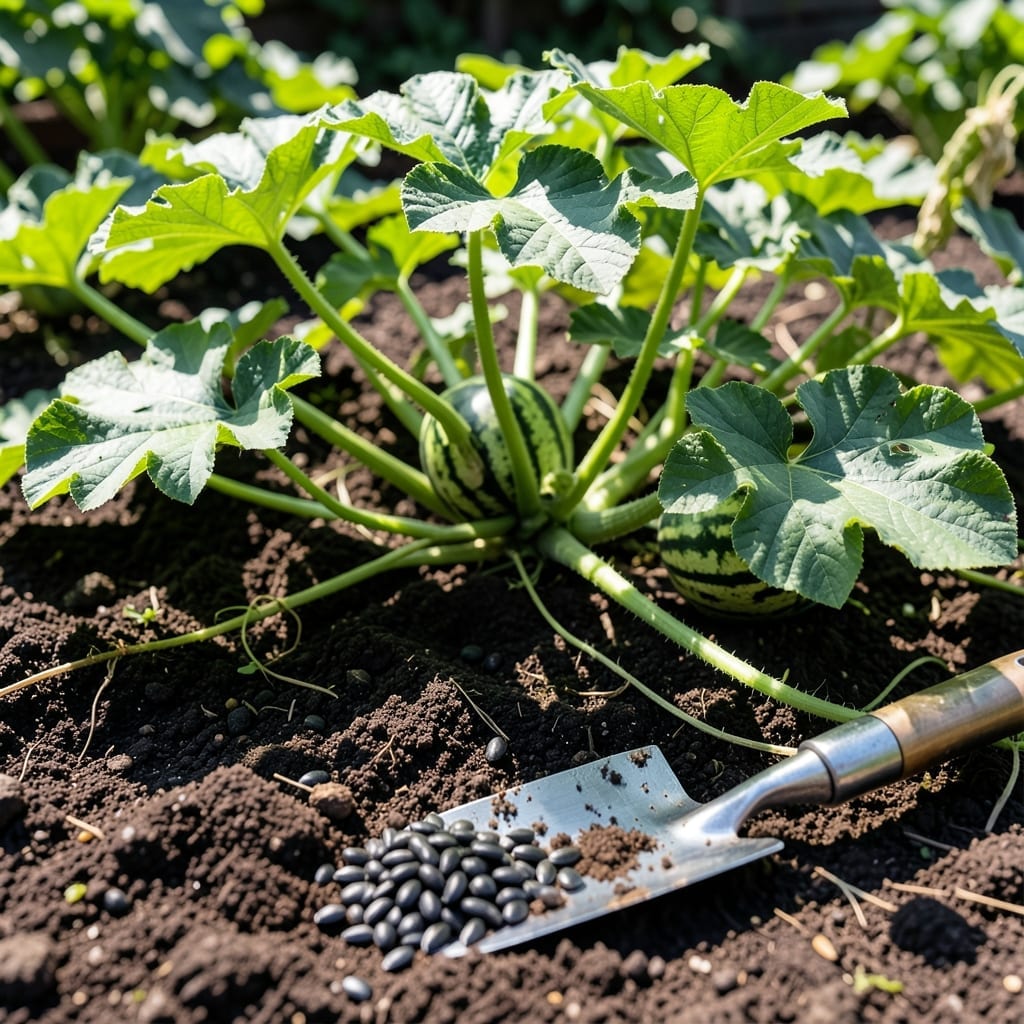
Timing is everything when it comes to growing juicy, sweet 🍉 in North Texas. Plant too early, and a late frost could ruin your crop.
Plant too late, and the summer heat may stress your vines before they bear fruit. Getting this right means the difference between a bountiful harvest and disappointment.
I’ve learned the hard way that Watermelon needs warm soil and the right conditions to thrive. The good news? There’s a perfect window for success.
Discover exactly when to plant for the best results and how to set your garden up for those delicious summer treats.
In North Texas, timing your watermelon planting right means the difference between a bountiful harvest and a disappointing crop. Our USDA zones 7b-8a bring unique challenges with late frosts and intense summer heat. 🌱
The optimal window for planting is mid-April through May, when soil temperatures consistently reach 70°F or higher. This ensures seeds germinate quickly and vines establish before the scorching summer arrives.
| Season | Planting Window | Soil Temp | Variety Type |
|---|---|---|---|
| Spring | Mid-April to May | 70°F+ | All varieties |
| Early Fall | Late July to early August | 75°F+ | Fast-maturing |
| Winter | Not recommended | Too cold | N/A |
I always check soil temperature with a thermometer before planting. If it’s below 70°F, I wait or use black plastic mulch to warm the soil faster. This simple step can accelerate germination by days. ☀️
For early varieties like ‘Sugar Baby’, you can plant as early as late March if you’re willing to gamble on frost. But I recommend April 15th as the safest start date for most gardeners in our region.
Late plantings in June are possible but risky. The extreme heat can stress plants, and you may not get full-sized melons before the first frost in mid-November. Stick to 70-80 day varieties if planting late.
Our average last frost is around March 15th, but I’ve seen frosts as late as April 10th. That’s why I always harden off seedlings and have frost cloth ready just in case. It’s better to be safe than sorry!
For fall planting, aim to have melons harvested by October. Count backward from your first frost date (around November 15th) and choose varieties that mature in 80 days or less. This timing avoids the worst of the summer heat.
Remember that watermelons need full sun and plenty of space—vines can spread 10-20 feet. In smaller gardens, consider bush varieties like ‘Bush Sugar Baby’ that stay more compact. 🌿
I’ve found that morning planting gives seeds the best start. The cooler temperatures and lower evaporation help them establish. Always water thoroughly after planting and keep the soil consistently moist until germination.
Preparing your North Texas soil properly is crucial for watermelon success. Our region’s clay-heavy soil and alkaline pH can challenge even experienced gardeners. I’ve found that soil preparation is half the battle. 🌱
Start by testing your soil pH—watermelons thrive in 6.0-6.8 range. If your soil is too alkaline (common here), amend with sulfur or peat moss to lower it gradually.
I always add generous compost—watermelons are heavy feeders! Mix in 3-4 inches of well-rotted compost or aged manure. This improves both nutrient content and soil structure in our dense clay. ☀️
For drainage issues, I incorporate coarse sand or perlite. Watermelons hate ‘wet feet’, so ensure water drains within 6 hours. Raised beds work wonderfully if your soil stays soggy.
Black plastic mulch is my secret weapon. Lay it down 2 weeks before planting to warm the soil and suppress weeds. This can raise soil temperature by 5-10°F, giving seeds a head start.