
Beautiful Plants For Your Interior
Beautiful Plants For Your Interior
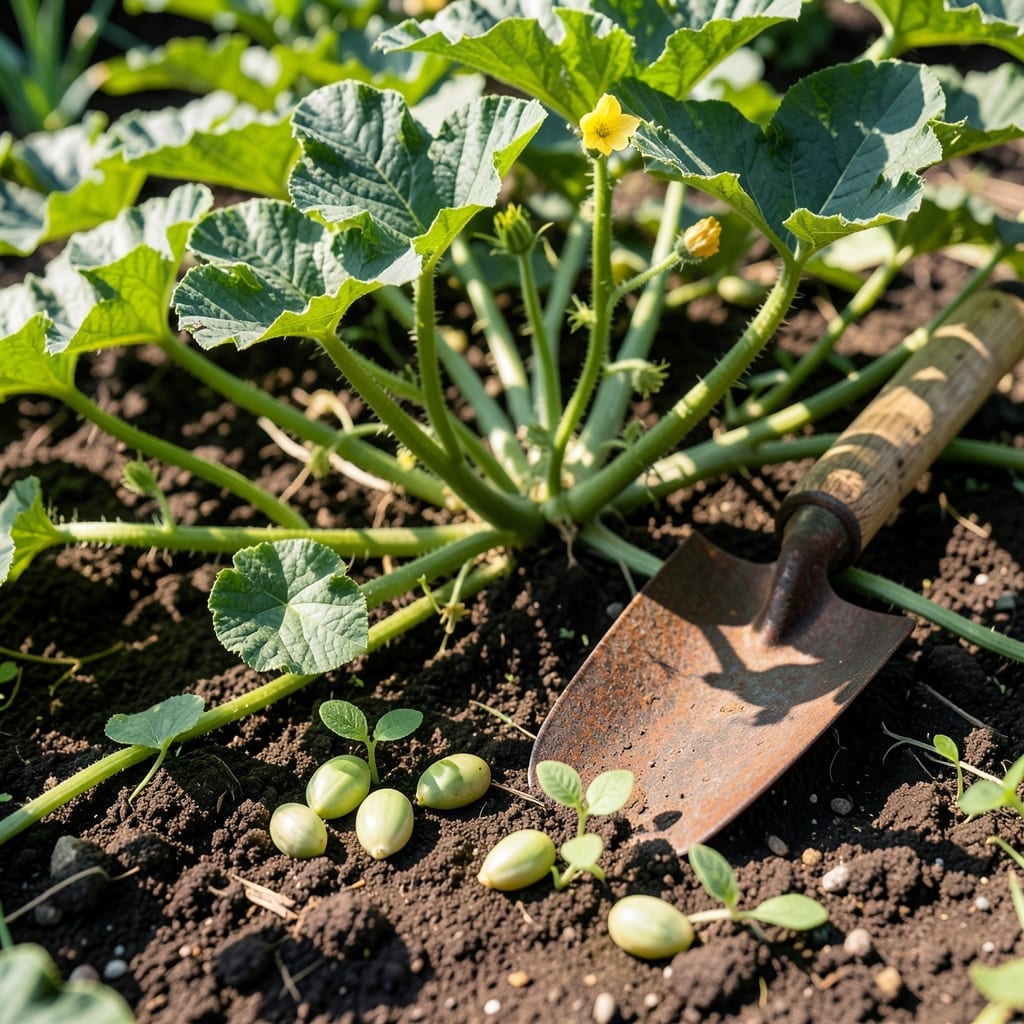
Timing is everything when growing 🍉 Watermelon in North Carolina—plant too early and frost will kill your vines, too late and you’ll miss the sweetest harvest window.
Our state’s unique climate means you can’t just follow generic advice. The difference between a thriving crop and a disappointing one often comes down to a few critical weeks.
I’ve tested the timing across NC’s varied regions, from the coast to the mountains. What I’ve learned will save you from common mistakes that even experienced gardeners make.
Let me show you exactly when to get those seeds in the ground for the best possible results in zones 7b-8a.
North Carolina’s diverse climate means planting dates vary by region. Coastal areas warm up faster, while the Mountains stay cooler longer. I’ve found that soil temperature is the best indicator—70°F or warmer is ideal for watermelon seeds.
In the Coastal Plain, you can start planting as early as mid-April, but the Piedmont typically needs to wait until late April. For the Mountains, early May is safest to avoid late frosts.
| Region | Planting Window | Last Frost Date | Variety Tip |
|---|---|---|---|
| Coastal Plain | Mid-April to early June | March 15-30 | Early varieties like ‘Sugar Baby’ |
| Piedmont | Late April to early June | April 1-15 | Mid-season like ‘Crimson Sweet’ |
| Mountains | Early May to early June | April 15-May 1 | Fast-maturing like ‘Black Diamond’ |
I always recommend using a soil thermometer to confirm temperatures. If you’re eager to start earlier, black plastic mulch can help warm the soil faster by 5-10°F.
For the Coastal region, the long growing season allows for second plantings in late June for a fall harvest. Just ensure you pick short-season varieties that mature in 70-80 days.
In the Piedmont, watch for unpredictable late frosts. I’ve lost seedlings to a surprise cold snap in early April. If you must plant early, use row covers for protection.
The Mountain region has the shortest season, so fast-maturing varieties are a must. ‘Icebox’ watermelons are perfect here, ready in just 75 days.
Don’t forget to check your local microclimate. Urban areas and south-facing slopes warm up faster. I’ve seen 2-week differences in planting dates just a few miles apart.
If you’re using transplants instead of seeds, you can start 2-3 weeks earlier. Just be sure to harden them off first to avoid shock.
Finally, remember that watermelons need space. Plant seeds 1 inch deep and 3-5 feet apart in rows 6-8 feet apart for best results. ☀️
Before planting watermelon in North Carolina, soil prep is crucial. I always start with a soil test to check pH—6.0-6.8 is the sweet spot for watermelons. Our NC soils often need amendments to hit this range.
If your soil is heavy clay, mix in compost or aged manure to improve drainage. Sandy soils benefit from organic matter to retain moisture. Watermelons are heavy feeders, so rich soil is non-negotiable.
For direct seeding, wait until soil reaches 70°F. I use a soil thermometer to be precise—guessing can lead to poor germination. If starting indoors, sow seeds 2-3 weeks before transplanting.
When transplanting, handle seedlings carefully to avoid root shock. Plant them 1 inch deeper than they were in their pots. This encourages strong root growth and stability in our sometimes windy NC springs.
After planting, water deeply to settle the soil. I recommend 1-2 inches of water per week, more during dry spells. Mulch with straw to retain moisture and suppress weeds.
Finally, consider drip irrigation to keep foliage dry and prevent disease. This is especially helpful in our humid NC summers. Watermelons thrive with consistent moisture, but soggy soil is a recipe for trouble. 🌱