
Beautiful Plants For Your Interior
Beautiful Plants For Your Interior
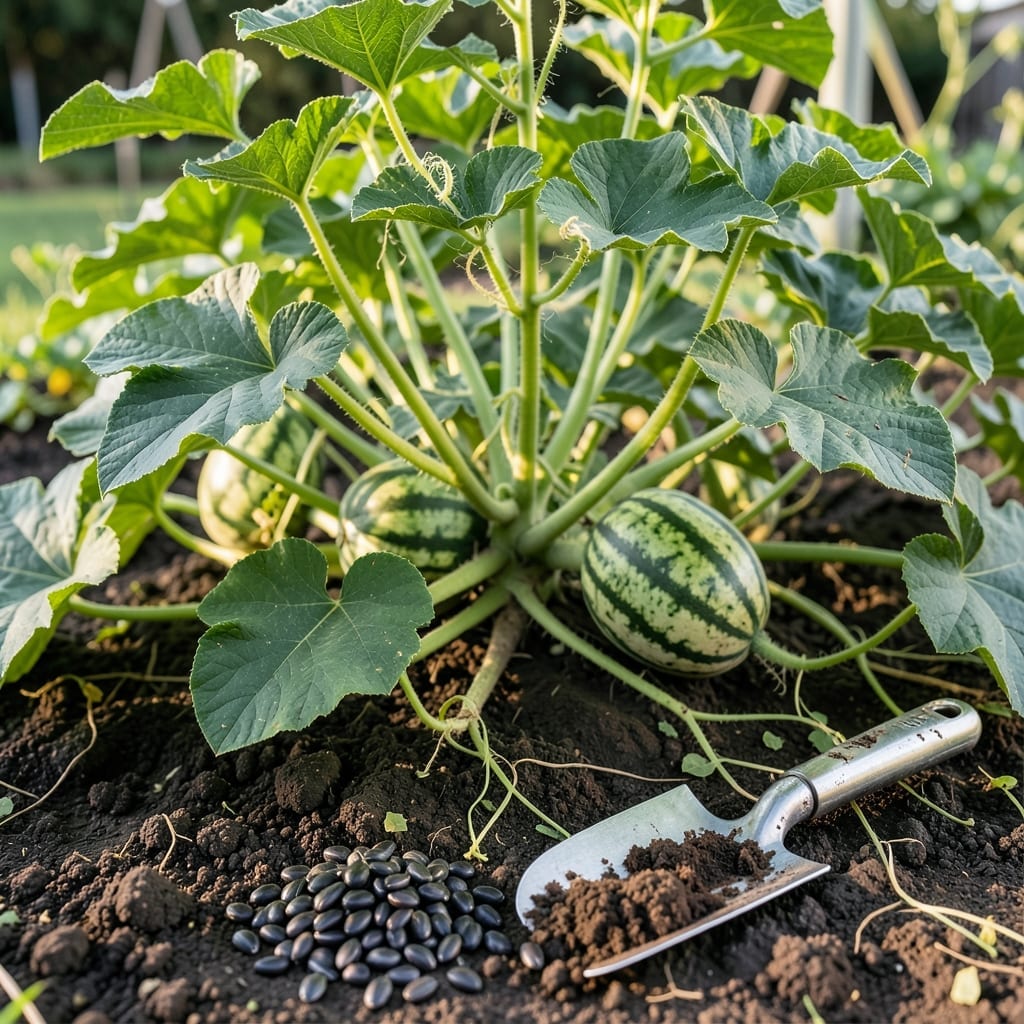
Timing is everything when growing Watermelon 🍉 in Massachusetts—plant too early, and frost will kill your seedlings; too late, and you’ll miss the sweetest harvests.
In our 6a-7b climate, the window is tight but rewarding. You’ll want to wait until the soil warms up, which usually means late spring.
I’ve learned the hard way that rushing this process rarely pays off. The key is patience and paying attention to those early season temperatures.
Discover the perfect planting window to ensure juicy, homegrown Watermelon all summer long. Let’s get you started on the right foot.
In Massachusetts Zone 5, timing your watermelon planting is crucial for success. The last frost typically hits between April 15 and May 15, so patience is key. I always wait until the soil warms to at least 70°F before sowing seeds.
For most gardeners in Eastern MA, this means late May is your safest bet for direct sowing. Coastal areas might get a slight head start, while the Berkshires often need to wait until early June. ☀️
| Planting Factor | Zone 5 Specification |
|---|---|
| Last Frost Date | April 15 – May 15 |
| Soil Temperature | Minimum 70°F |
| Direct Sow Date | Late May – Early June |
| Transplant Date | 2-3 weeks after last frost |
| Days to Maturity | 70-100 days |
For early varieties like ‘Sugar Baby’, you can push the envelope slightly. These mature in about 75 days, giving you more flexibility. I’ve had success planting these as early as mid-May in protected microclimates.
If you’re starting indoors, begin seeds 4-6 weeks before your planned transplant date. Use peat pots to minimize root disturbance when moving to the garden. Remember, watermelons hate having their roots messed with!
Late varieties like ‘Crimson Sweet’ need the full season. These require 85-90 days to mature, so don’t plant them before late May unless you’re using season extenders.
Soil preparation is just as important as timing. I always amend my beds with aged compost and ensure good drainage. Watermelons are heavy feeders, so a balanced fertilizer at planting helps get them off to a strong start.
For the best results, use black plastic mulch to warm the soil faster. This can give you a 1-2 week head start on planting. Just be sure to remove it once the plants start vining to prevent overheating.
Remember that microclimates can vary significantly. South-facing slopes or urban heat islands might allow for earlier planting. When in doubt, use a soil thermometer – it’s the most reliable way to know when conditions are right. 🌱
Finally, don’t forget about succession planting. In Zone 5, you can often get away with a second planting in early July for a late summer harvest. Just be sure to choose fast-maturing varieties for this late crop.
In Zone 5, our growing season feels short, but I’ve found clever ways to squeeze out extra weeks for watermelon success. The trick is warming the soil and protecting young plants from unexpected cold snaps. ☀️
One of my favorite methods is using black plastic mulch to absorb heat. This simple step can raise soil temperatures by 5-10°F, allowing earlier planting. I lay it down 2-3 weeks before sowing to pre-warm the bed.
For even better results, combine plastic mulch with floating row covers. This duo creates a mini greenhouse effect. I remove the covers once daytime temps consistently hit 80°F to prevent overheating.
Another game-changer is starting seeds indoors. I use peat pots to avoid root disturbance during transplanting. Begin indoors 4-6 weeks before your last frost date for a head start.
Don’t overlook variety selection. For Massachusetts, I recommend ‘Sugar Baby’ (75 days) or ‘Crimson Sweet’ (85 days). These mature quickly enough to beat our early fall frosts.
Finally, consider succession planting. After your first crop is established, plant another batch in early July. This ensures a continuous harvest throughout our short but productive growing season. 🌱