
Beautiful Plants For Your Interior
Beautiful Plants For Your Interior
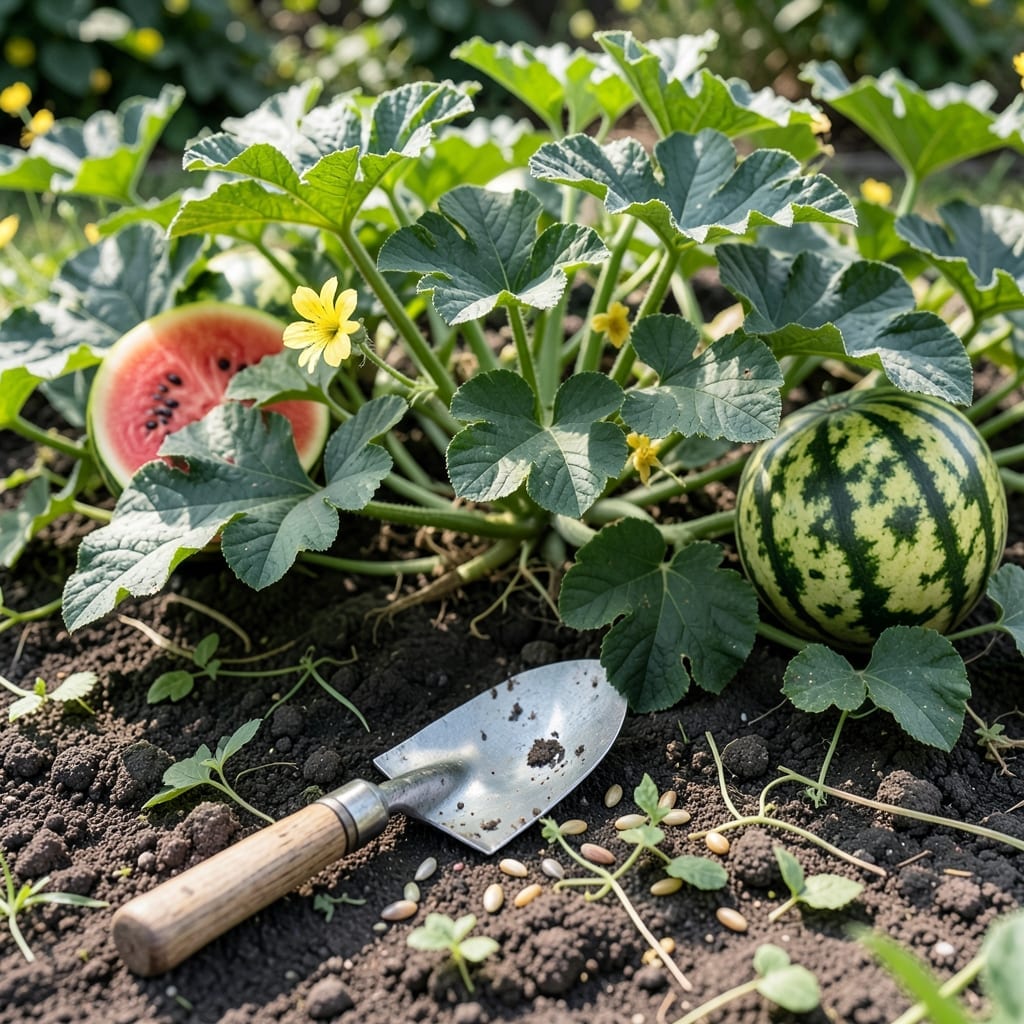
Timing is everything when it comes to growing juicy watermelons in Maryland. Plant too early, and frost will wipe out your seedlings; plant too late, and you’ll miss the peak of summer warmth.
The 🍉 Watermelon thrives in warm soil, and in our 7a zone, that sweet spot arrives between April and June. I’ve learned the hard way that patience pays off when waiting for those soil temperatures to climb.
Maryland’s unpredictable springs can trick even experienced gardeners. But with the right timing, you’ll set yourself up for a bountiful harvest from July through September.
Discover how to nail the perfect planting window and avoid the common pitfalls that can derail your watermelon dreams this growing season.
Maryland’s diverse USDA zones 6a-8a mean planting dates vary. In Central Maryland (Zone 7a), I wait until mid-April after the last frost. The Eastern Shore (Zone 8a) can start early April thanks to milder winters.
For Western Maryland (Zone 6a), I hold off until late April or early May. Soil temperature must hit 70°F for seeds to germinate. Use a soil thermometer to check conditions accurately. ☀️
| Region | USDA Zone | Last Frost Date | Planting Window |
|---|---|---|---|
| Eastern Shore | 8a | March 15-30 | Early April |
| Central Maryland | 7a | April 10-15 | Mid-April |
| Western Maryland | 6a | April 20-30 | Late April-May |
I always check the 10-day forecast before planting. A late cold snap can kill young seedlings. If temperatures drop below 50°F, I cover plants with frost blankets for protection.
Maryland’s growing season is about 180 days. Watermelons need 70-100 days to mature. I plant ‘Sugar Baby’ (75 days) in early May for a July harvest. 🌱
For clay-heavy soils common in Central Maryland, I amend with compost to improve drainage. Black plastic mulch warms soil faster in spring. I space plants 3-5 feet apart in rows 6-8 feet apart.
In cooler zones, I start seeds indoors 4-6 weeks before transplanting. This gives them a head start but requires careful hardening off. Never rush this process—cold shock can stunt growth permanently.
I monitor soil moisture closely after planting. Watermelons need 1-2 inches of water weekly. Drip irrigation works best to avoid wetting foliage, which can lead to fungal diseases in Maryland’s humid summers.
For Eastern Shore gardeners, the longer season allows for second plantings in early June. I’ve had success with ‘Crimson Sweet’ (85 days) planted this way. Just ensure you’ll have 90 frost-free days remaining.
Remember, watermelons love heat. If spring is cool, I wait. It’s better to plant a week late than risk losing seedlings to cold. The reward of a homegrown watermelon makes the patience worthwhile. 🌿
Maryland’s clay-heavy soils need extra love before planting watermelon. I always start by testing the pH level—aim for 6.0-6.8 for optimal growth. If it’s off, amend with lime or sulfur as needed.
Next, I work in plenty of organic compost to improve drainage and fertility. Watermelons hate soggy roots, so ensuring proper drainage is a must in our humid climate.
I’ve found that black plastic mulch works wonders in Maryland. It warms the soil faster in spring and suppresses weeds, which is crucial for heat-loving watermelon plants. Lay it down a week before planting.
For areas with heavy clay, I mix in sand or straw to break it up. This prevents waterlogging and gives roots room to spread. Remember, watermelons need loose, well-draining soil to thrive.
Don’t skip the soil temperature check—it must be at least 70°F before planting. I use a simple soil thermometer to confirm. In Maryland, this usually means waiting until mid-to-late May. ☀️
Finally, I always water deeply after planting to help roots establish. But be careful not to overwater—consistent moisture is key, not soggy soil. With these prep steps, your watermelons will have the best start possible.
Proper soil prep sets the stage for bigger, sweeter melons all season long 🌱