
Beautiful Plants For Your Interior
Beautiful Plants For Your Interior
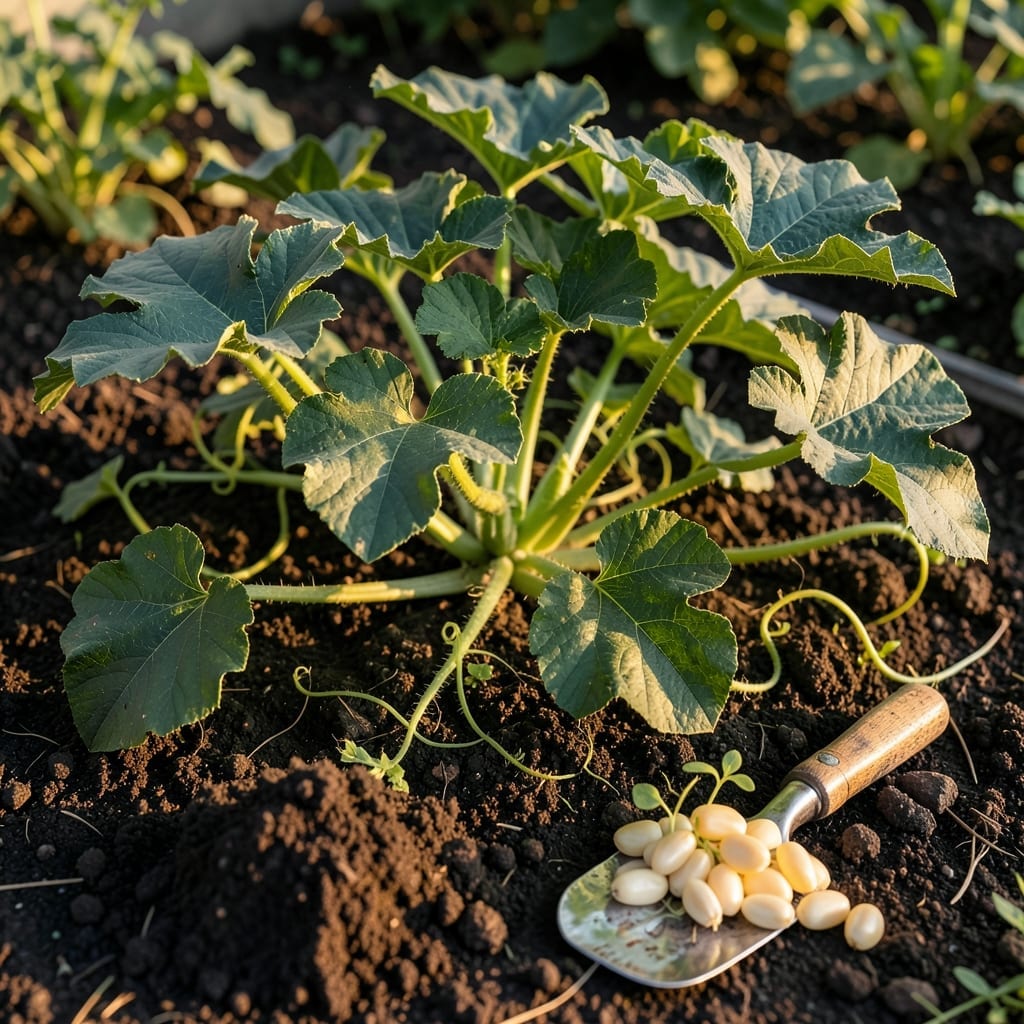
Timing is everything when growing 🍉 Watermelon in East Texas’s hot, humid climate. Plant too early, and frost could wipe out your crop.
Plant too late, and the fruit may not ripen before summer’s end. Getting it right means the difference between a bountiful harvest and disappointment.
I’ve learned through experience that the sweet spot exists between April and May for our 8a zone. The soil needs to be warm enough to support those delicate seeds.
Let me walk you through the exact timing and preparation that will set your 🍉 Watermelon patch up for success this growing season.
East Texas spans USDA zones 8a-9a, which means our last frost date typically falls between March 15-30. This is your starting point for planning.
Watermelons are warm-season crops that thrive when soil temps hit at least 70°F. In our region, that usually means waiting until mid-April for most areas.
| Location | USDA Zone | Last Frost | Planting Window |
|---|---|---|---|
| Tyler | 8a | March 15 | April 1-15 |
| Longview | 8a | March 18 | April 5-20 |
| Nacogdoches | 8b | March 10 | March 25-April 10 |
| Beaumont | 9a | March 1 | March 20-April 5 |
I always recommend using a soil thermometer to confirm temperatures before planting. The top 2 inches of soil should consistently read 70°F+.
For those eager to start early, you can pre-warm your soil with black plastic mulch laid 2-3 weeks before planting. This trick works wonders in clay-heavy East Texas soil.
Remember that watermelons need 85-100 days to mature. Planting by mid-May in most areas ensures harvest before our intense summer heat peaks.
In zone 9a areas like Beaumont, you might squeeze in a second crop planted in late July for a fall harvest, but this requires careful pest management.
For the most reliable results, stick to April planting. This gives your vines time to establish before the 100°F+ days of July and August arrive.
I’ve found that transplants can work if started indoors 3-4 weeks before planting, but direct seeding often produces stronger plants in our climate.
Always check your local weather forecast for any late cold snaps, as East Texas can have unpredictable spring weather patterns ☀️
Preparing your East Texas soil properly is the foundation for growing sweet, juicy watermelons. Our region’s heavy clay can be tricky, but with the right steps, you’ll create the perfect bed for your seeds or transplants.
The ideal soil pH for watermelons is between 6.0 and 6.8. I always recommend testing your soil first. You can grab an affordable kit from your local garden center to check the levels before amending.
If your soil is heavy clay, don’t skip the compost. I mix in at least 3-4 inches of organic matter to help with drainage. Watermelons hate soggy roots, so this step is non-negotiable in our humid climate.
Consider building raised beds if your yard has standing water issues. This ensures your vines stay above any potential flooding, which is common during East Texas’s spring rains.
Aged manure is another game-changer. I use cow or horse manure that’s been composted for at least six months. It adds essential nutrients without burning your plants.
Finally, loosen the soil to about 12 inches deep. This gives watermelon roots plenty of room to spread out. Trust me, your plants will thank you with bigger, sweeter fruit come harvest time. 🌱