
Beautiful Plants For Your Interior
Beautiful Plants For Your Interior
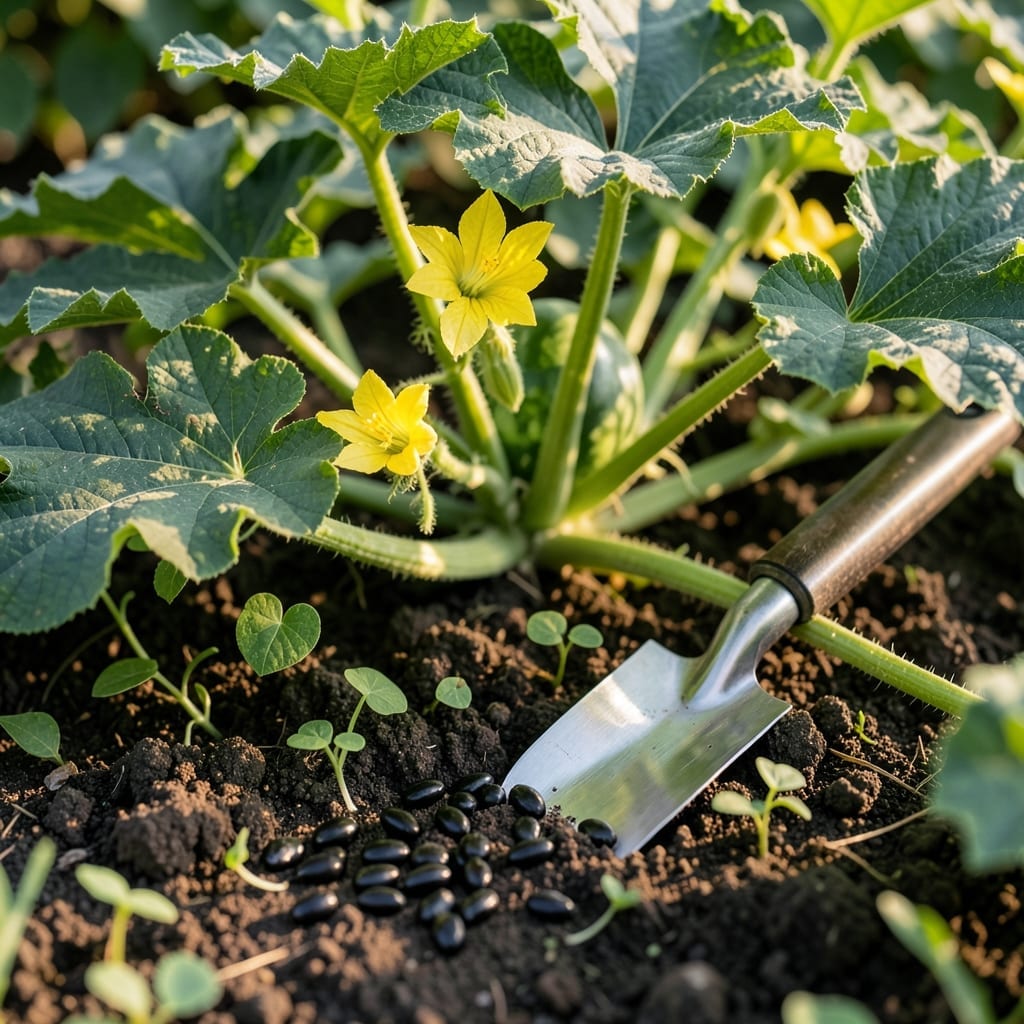
Timing is everything when growing Watermelon 🍉 in Arizona’s extreme heat. Plant too early, and frost may kill your seedlings; plant too late, and scorching temps can stress your vines before they fruit.
Getting it right means understanding our unique climate in zone 9b. The window is narrow but rewarding, with spring offering the most reliable conditions for strong starts.
I’ve learned through trial and error that soil temperature is the real game-changer. Wait for the right signal, and your Watermelon patch will thank you with a bountiful harvest.
Discover the exact cues Arizona growers use to nail their planting schedule every time. Let’s make this your best season yet.
In Arizona’s low desert, like Phoenix and Tucson, the sweet spot for planting watermelon is February to April. This timing avoids late frosts and capitalizes on warming soil before summer’s intense heat arrives.
For high desert areas such as Flagstaff, wait until late May or early June. Cooler nights and shorter growing seasons here mean patience is key to success.
| Region | Planting Window | Last Frost Date | Soil Temp Needed |
|---|---|---|---|
| Low Desert (Phoenix) | Feb–April | Feb 15 | 70°F+ |
| High Desert (Flagstaff) | Late May–June | June 1 | 70°F+ |
| Intermediate Zones | March–May | March 15–April 1 | 70°F+ |
I always check soil temperature with a thermometer at 4-inch depth. Watermelons won’t thrive until the soil consistently hits 70°F or warmer.
In intermediate zones, like Prescott or Payson, aim for March through early May. This gives you a buffer against unexpected cold snaps while avoiding peak summer heat.
Pro tip: Start seeds indoors 3–4 weeks before your last frost date if you’re eager to get a head start. Just harden off seedlings before transplanting.
Remember, Arizona’s heat can be brutal. If you plant too late, your vines may struggle to set fruit before temperatures soar above 100°F.
For the Phoenix area, I’ve found mid-March to be ideal. It balances frost risk with the need for warm soil, giving plants time to establish before summer.
If you’re in a microclimate with warmer pockets, you might push planting to early February. But always have frost protection ready just in case.
Watermelons are heat lovers, but even they have limits. Once daytime highs consistently exceed 105°F, pollen viability drops, and fruit set becomes difficult.
By sticking to these regional windows, you’ll maximize your chances of a sweet, juicy harvest from June to August. Trust me, your taste buds will thank you! 🌱
Arizona’s intense summer heat can wreak havoc on young watermelon plants. Even heat-loving varieties need protection when temps soar above 100°F for days on end.
I’ve found that shade cloth is a game-changer, reducing temperature stress while still allowing sunlight for growth. Aim for 30–50% shade during peak afternoon hours.
Mulching is another essential tactic. A thick layer of straw or wood chips keeps soil cooler and reduces water evaporation by up to 40%.
For container-grown watermelons, move pots to shaded areas during heatwaves. Black plastic containers can overheat roots, so opt for light-colored pots instead.
Drip irrigation is far superior to overhead watering in Arizona. It delivers water directly to roots, preventing leaf scorch and reducing waste from evaporation.
If you notice wilting leaves despite watering, it’s often a sign of heat stress. Increase shade and water frequency temporarily until plants recover. 🌱