
Beautiful Plants For Your Interior
Beautiful Plants For Your Interior
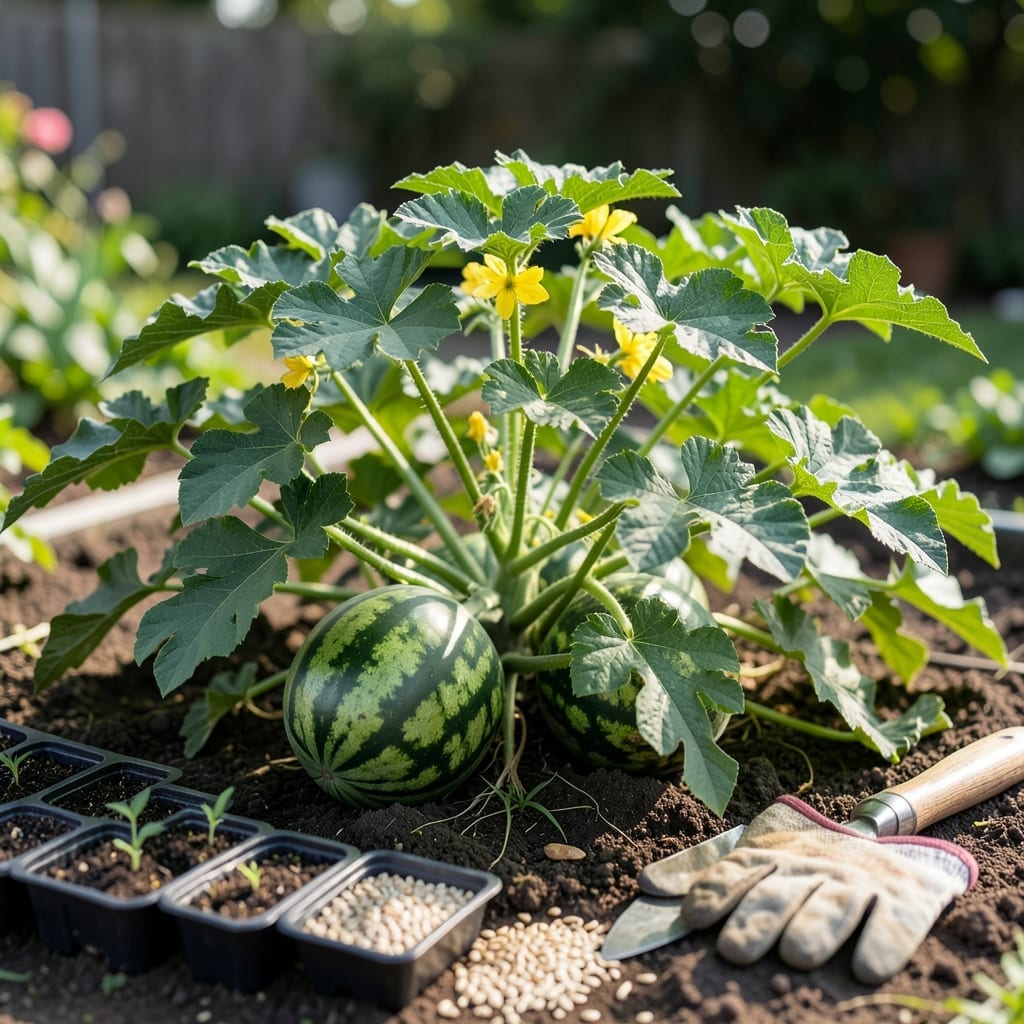
Timing is everything when growing juicy watermelons. Plant too early, and frost will wipe out your seedlings. Plant too late, and you’ll miss that perfect sweet harvest window.
The 🍉 Watermelon thrives when the soil is warm, typically between 70-80°F. In zone 6, that means aiming for late April through June to get the best start.
I’ve seen gardeners struggle with timing year after year, but once you nail this, the difference is incredible. Your vines will grow strong, and your harvest will be plentiful.
Discover how to read your climate’s cues and prepare your soil for the best results. Let’s make this your most successful watermelon season yet.
I’ve found that timing your watermelon planting correctly makes all the difference between a bountiful harvest and a disappointing one. Watermelons thrive in warm soil, so planting too early can stunt growth or kill seedlings.
For most gardeners, the ideal window is after the last frost date when soil temps hit 70°F. This ensures seeds germinate quickly and vines establish before summer heat peaks.
| Climate Zone | Planting Window | Soil Temp |
|---|---|---|
| Zones 3-4 | Late May–June | 70°F+ |
| Zones 5-6 | Mid-April–May | 70°F+ |
| Zones 7-8 | March–April | 75°F+ |
| Zones 9-10 | Feb–March or Sept | 80°F+ |
In cooler climates (Zones 3-4), I wait until late May or June to avoid frost damage. The soil must warm to at least 70°F for seeds to sprout reliably.
For moderate zones (5-6), mid-April to May works well. I always check a soil thermometer before planting to confirm temperatures are ideal for germination.
Gardeners in warmer zones (7-8) can start as early as March. Here, the bigger challenge is beating the summer heat before vines establish. Early planting helps melons mature before extreme temperatures.
In hot climates (Zones 9-10), I plant in February-March or again in September for a fall harvest. 80°F soil is perfect for fast germination and strong early growth.
Remember that watermelon varieties differ too. Short-season types like ‘Sugar Baby’ need 70-80 days, while larger heirlooms may require 90-100 days of warm weather.
I always pre-warm the soil with black plastic mulch if planting early. This trick can boost soil temps by 5-10 degrees, giving seeds a head start.
No matter your zone, consistent moisture is key after planting. I water deeply once a week unless rain provides enough, ensuring roots grow strong and deep. ☀️
Before planting watermelon seeds, your soil must hit the right conditions. I always check for a soil temperature of at least 70°F—any cooler, and seeds won’t germinate properly.
Use a soil thermometer for accuracy. If it’s still chilly, wait a few more days or use black plastic mulch to warm it up faster.
🌱 4 Signs Your Soil Is Ready
Another key sign is your last frost date. Watermelons are frost-sensitive, so plant only after all danger has passed. In zone 6, that’s typically mid-April.
Check moisture levels too. If the soil sticks together when squeezed but crumbles easily, it’s perfect. If it’s muddy, hold off—seeds can rot in waterlogged conditions.
I also look for seasonal cues, like blooming dandelions or consistent warm nights. These natural signs often align with ideal planting conditions.
Finally, prepare your soil by adding compost for nutrients. This gives seedlings a strong start and improves drainage, which watermelons love. ✂️