
Beautiful Plants For Your Interior
Beautiful Plants For Your Interior
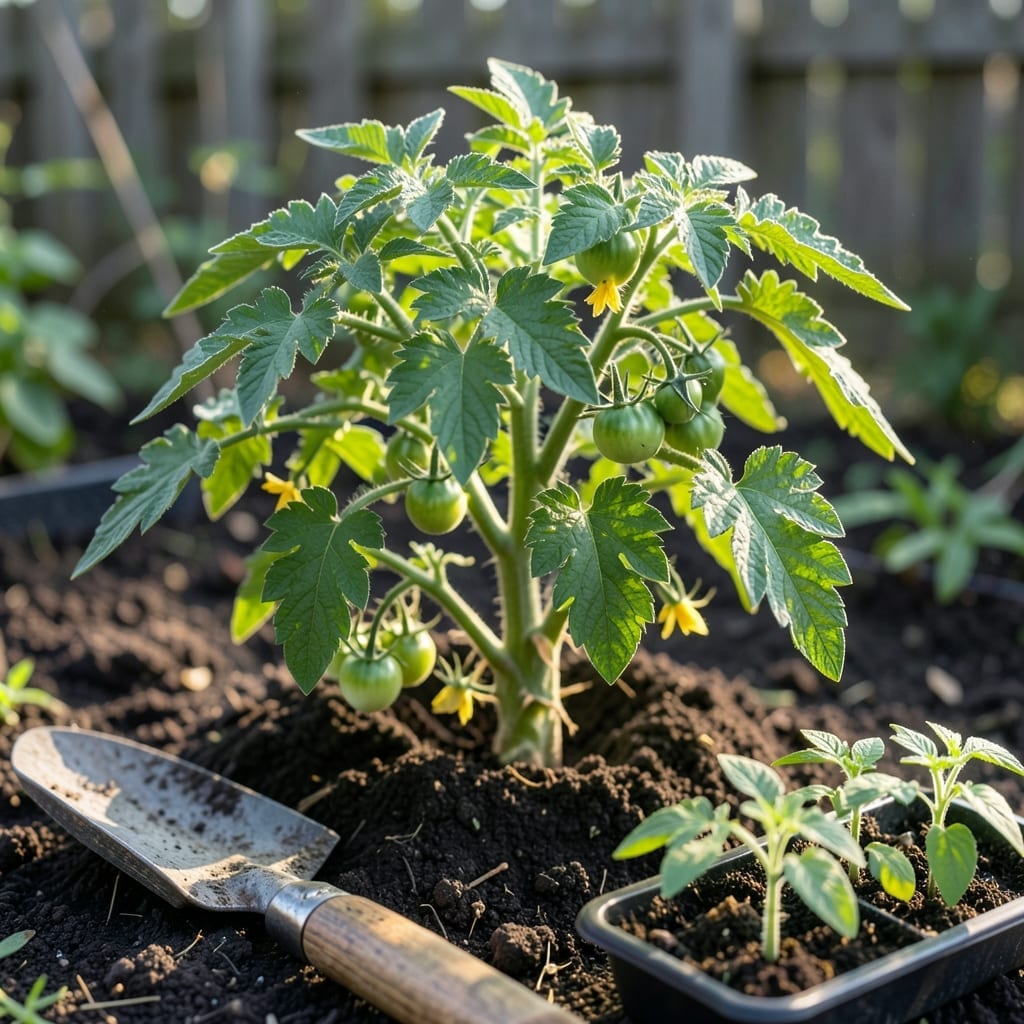
Zone 9 gardeners, rejoice! Your mild winters and long growing season mean you can harvest 🥕 Vegetables year-round—if you time it right.
Unlike colder climates with strict planting windows, your biggest challenge is often the summer heat. But with the right schedule, you can avoid wilting crops and enjoy continuous harvests.
I’ve tested countless planting calendars for this zone, and the key is working with the seasons, not against them. Whether you’re planting cool-weather kale or heat-loving tomatoes, timing makes all the difference.
Discover the exact months to plant each vegetable in Zone 9, plus pro tips to extend your growing season even further.
In USDA Zone 9, we’re lucky to enjoy a long growing season with mild winters and hot summers. This means we can plant vegetables year-round, but timing is everything to avoid heat stress or frost damage.
I’ve found that cool-season crops thrive in fall and winter, while warm-season varieties love the heat of spring and summer. Knowing your last frost date (around February 15) helps plan succession planting.☀️
| Season | Vegetables | Notes |
|---|---|---|
| Winter | Broccoli, Cabbage, Kale | Plant Dec-Feb for spring harvest |
| Spring | Tomatoes, Peppers, Cucumbers | Start after last frost |
| Summer | Okra, Sweet Potatoes | Heat-tolerant June-July plantings |
| Fall | Lettuce, Carrots, Beets | Plant Aug-Oct for winter harvest |
For cool-season crops like lettuce and spinach, I start seeds in late summer for a fall harvest. These plants bolt in heat, so timing is critical before temperatures rise.
Warm-season stars like tomatoes and peppers need nighttime temps above 50°F. In Zone 9, we can often plant these as early as March for a head start on the growing season.
Don’t forget about succession planting! For bush beans, I sow new seeds every 2-3 weeks from spring to early fall to keep the harvest coming. This works great for radishes and green onions too.🌱
Our hot summers can be tough on some plants. I’ve learned to provide afternoon shade for leafy greens and use mulch to retain moisture. Drip irrigation is a game-changer during July and August heatwaves.
For winter gardening, frost cloth is my secret weapon. While Zone 9 rarely sees hard freezes, a light frost can damage tender plants. I keep row covers handy for cold snaps in December and January.
Remember that soil temperature matters as much as air temperature. I use a soil thermometer to check before planting. Most warm-season crops need soil temps above 60°F to germinate properly.
With 300 frost-free days, we can grow multiple crops annually. I love experimenting with fast growers like radishes (ready in 30 days) between slower crops like squash.✂️
In Zone 9, I love planting fast-growing vegetables for quick harvests. These varieties thrive in our warm climate and are perfect for beginners or impatient gardeners.
You can enjoy fresh produce in as little as 30 days with the right choices. Let me share my top picks for rapid results in your Zone 9 garden.
I always remind gardeners that succession planting is key in Zone 9. After harvesting one crop, immediately plant another for continuous production.
For best results, I recommend morning watering and well-draining soil to prevent disease. These fast growers need consistent moisture but hate soggy roots.
Don’t forget to fertilize lightly every 4-6 weeks to maintain soil fertility. I use a balanced 10-10-10 formula for most vegetables.
With these quick-growing varieties, you’ll be enjoying fresh, homegrown vegetables in no time, even in Zone 9’s challenging heat 🌱