
Beautiful Plants For Your Interior
Beautiful Plants For Your Interior
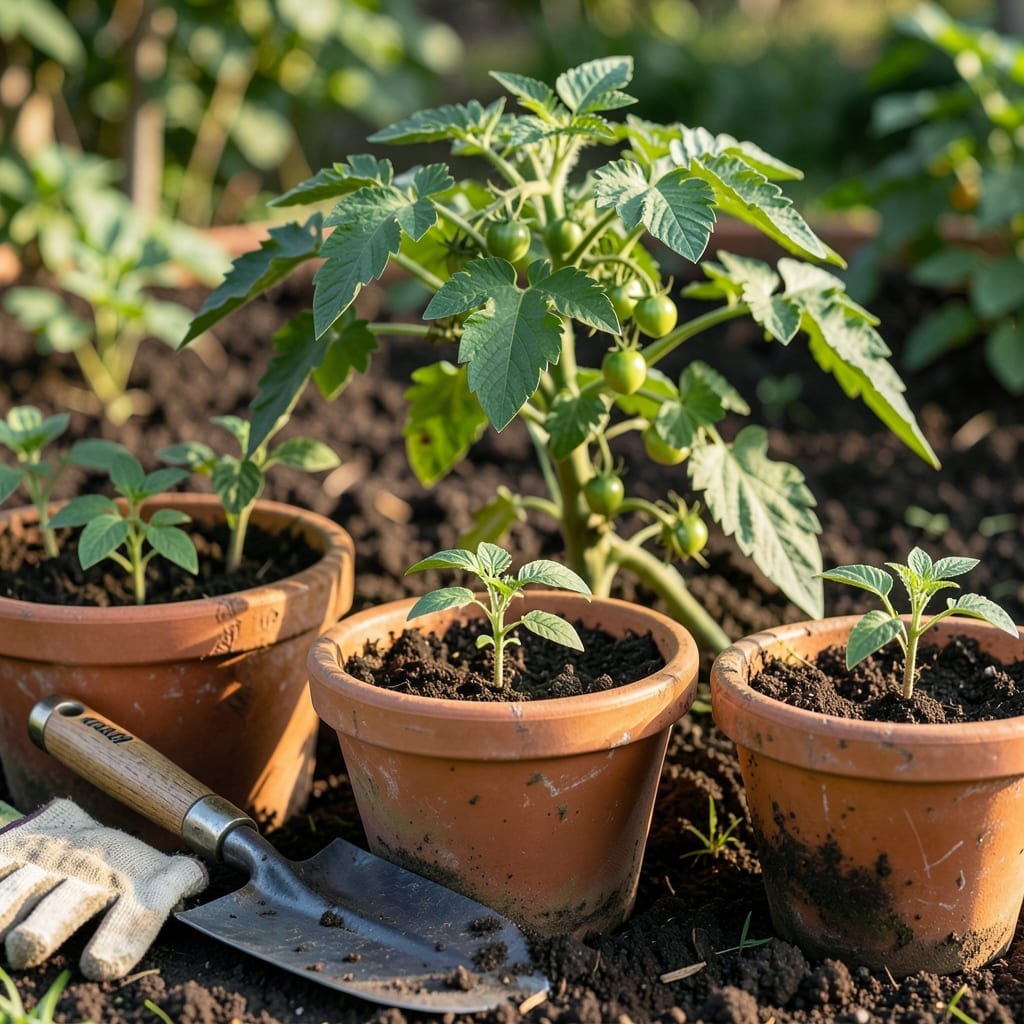
Timing is everything when it comes to growing a thriving vegetable garden in Zone 8b. Plant too early or too late, and your harvest could suffer from unexpected frosts or intense heat.
I’ve learned that the 🥕 Vegetables we love need precise timing to flourish here. With 240 frost-free days, you’ve got a longer window than many regions, but it’s all about knowing when to start.
Whether you’re planting cool-season crops in early spring or warm-season varieties for summer, the schedule makes all the difference. Let me walk you through the best months to get your garden going.
From February to March and again in late summer, the conditions are just right. Stick with me, and you’ll maximize your yield without the guesswork.
In Zone 8b, your planting calendar is shaped by a long growing season with a last frost around March 15 and first frost near November 15. This gives you 240 frost-free days to work with.
I’ve found that cool-season crops like lettuce and spinach thrive when planted in early spring or late summer. Meanwhile, warm-season favorites such as tomatoes and peppers need the soil to warm up before going in the ground.
| Month | Vegetable Type | Action |
|---|---|---|
| Jan-Feb | Cool-Season | Start indoors or direct sow |
| March | Cool-Season | Transplant or sow outdoors |
| April | Warm-Season | Start indoors or direct sow |
| May | Warm-Season | Transplant outdoors |
| Aug-Sept | Cool-Season | Sow for fall harvest |
For cool-season vegetables, I recommend planting broccoli, cabbage, and kale in February for an early harvest. These crops can tolerate light frosts, making them perfect for Zone 8b’s mild winters.
March is ideal for direct sowing carrots, beets, and peas. These vegetables prefer cooler soil and will establish well before the heat of summer arrives.
Once soil temperatures reach 60°F in April, it’s time to plant warm-season crops like beans and corn. I always check my soil thermometer to be sure.
By May, the danger of frost has passed, and it’s safe to transplant tomatoes, peppers, and eggplants. These plants need warm soil and consistent heat to thrive.
For a fall harvest, I start cool-season crops again in August. Lettuce, spinach, and radishes grow quickly in the cooling temperatures and can often be harvested before the first frost.
Remember, succession planting is key in Zone 8b. After harvesting spring peas, I immediately plant bush beans to maximize my garden’s productivity through the growing season.
Always keep an eye on the weather forecast. An unexpected late frost or early heatwave can impact your planting schedule, so be ready to adjust as needed 🌱
In Zone 8b, gardeners enjoy a long growing season with mild winters and hot summers. This climate is perfect for both cool-season and warm-season vegetables, but timing is key to success.
I’ve found that tomatoes and peppers thrive when planted after the last frost, typically around March 15. Meanwhile, collards and kale can handle cooler temps and do well in early spring or fall.☀️
For maximum yield, I recommend starting cool-season crops like lettuce and spinach in early spring or late summer. These veggies bolt in heat, so timing is critical.
Warm-season favorites like cucumbers and squash should go in after soil temps reach at least 60°F. In Zone 8b, this is usually late April or early May.
Don’t forget succession planting! I plant bush beans every 2 weeks for a continuous harvest. This technique works well for radishes and beets too.
With 240 frost-free days, Zone 8b offers plenty of opportunities. Just watch for late frosts in spring and early frosts in fall to protect your investment.🌱