
Beautiful Plants For Your Interior
Beautiful Plants For Your Interior
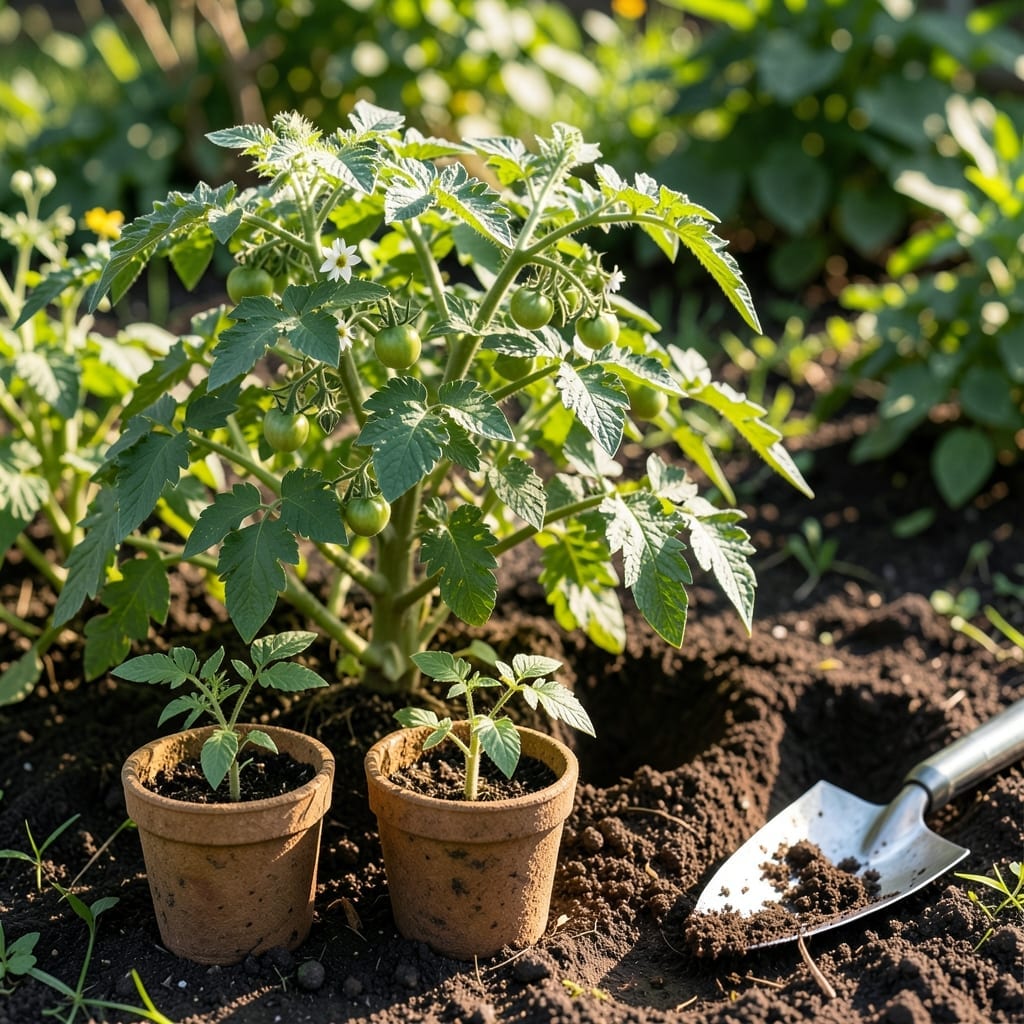
Zone 8 gardeners have a unique advantage with their long growing season, but timing is absolutely crucial. Plant your 🥕 Vegetables too early or too late, and you might miss out on the best harvest of the year.
I’ve learned through experience that understanding the seasonal windows makes all the difference. Spring and fall offer the most reliable planting times for Vegetables in this climate.
Whether you’re new to gardening or looking to improve your yields, knowing these windows is the key. The right timing can transform your garden from average to exceptional.
Let me walk you through the best months to get your Vegetables in the ground for maximum success in Zone 8.
In USDA Zone 8, we’re blessed with a long growing season that lets us plant vegetables nearly year-round. The key is understanding when to start cool-season versus warm-season crops for optimal growth and harvest.
Our last frost date is typically around March 15, and the first frost arrives near November 15. This gives us about 240 frost-free days, perfect for both early spring and late fall plantings.
| Season | Vegetable Type | Planting Window | Soil Temp |
|---|---|---|---|
| Early Spring | Cool-season | Feb–March | 40–60°F |
| Late Spring | Warm-season | April–May | 60–70°F |
| Summer | Warm-season | May–June | 70–80°F |
| Fall | Cool-season | Aug–Sept | 50–70°F |
For cool-season vegetables like lettuce, spinach, and broccoli, I start seeds indoors in January or direct-sow in February once the soil is workable. These thrive in cooler temperatures and can often tolerate light frosts.
Warm-season crops such as tomatoes, peppers, and cucumbers need the soil to warm up. I wait until April or May to plant these outdoors, ensuring the soil temperature stays consistently above 60°F for best germination.
Don’t forget about succession planting! In Zone 8, I often plant fast-growing crops like radishes and bush beans every 2–3 weeks for continuous harvests. This technique keeps my garden productive all season long.
Late summer is the perfect time to start fall crops. I plant kale, carrots, and beets in August for a bountiful harvest before the first frost. These vegetables actually taste sweeter after a light frost!
Remember, soil preparation is crucial. I always amend my beds with compost before planting and ensure good drainage to prevent waterlogging, especially during our occasional heavy rains.
Using row covers or cold frames can extend your season even further. I’ve found they’re great for protecting tender plants from unexpected late frosts in early spring or early falls in late autumn.
Zone 8’s mild winters also allow for overwintering certain vegetables like garlic and onions. I plant these in October or November for an early spring harvest. It’s a great way to maximize your garden’s productivity!
As a Zone 8 gardener, I’ve found that tomatoes and peppers thrive when planted after the last frost in mid-March. These warm-season crops need soil temps above 60°F for best results. 🌱
For cool-season veggies, I start lettuce and spinach in early February or late August for a fall harvest. They tolerate light frosts and grow quickly in cooler temps. 🌿
I always recommend succession planting bush beans every 2-3 weeks starting in April. This extends your harvest window through early summer and avoids gluts. ✂️
For root vegetables like carrots and beets, I plant in early spring or late summer. They need loose soil and consistent moisture to develop properly. 💧
Don’t forget herbs like basil and cilantro! I plant basil after last frost and cilantro in spring or fall to avoid bolting in heat. 🌻
Remember, Zone 8 offers a long season, but timing and crop selection are key. I track soil temps with a thermometer for precision planting. 🌡️