
Beautiful Plants For Your Interior
Beautiful Plants For Your Interior
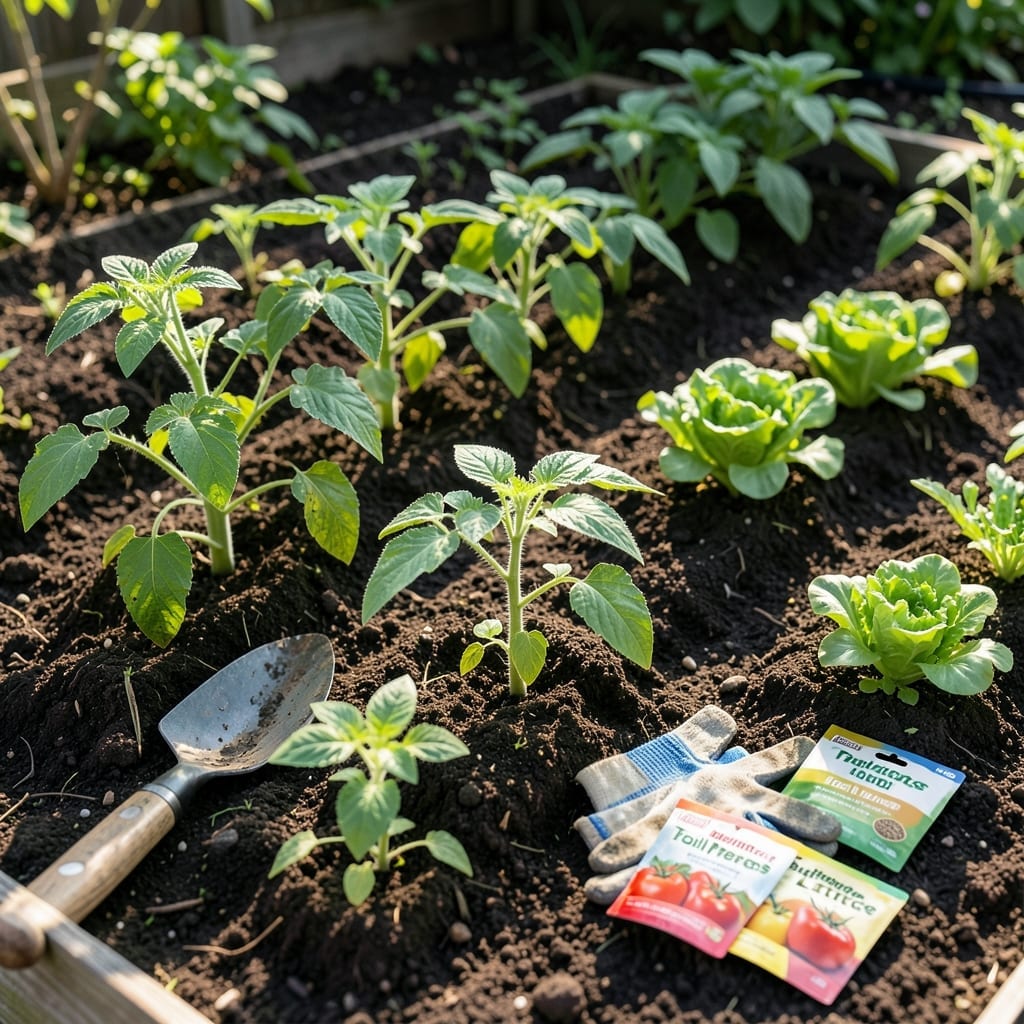
Timing is everything when it comes to planting Vegetables in Zone 7b. Plant too early, and a late frost could wipe out your crop; plant too late, and summer heat might stunt growth before harvest.
This guide breaks down the exact windows for each vegetable type, so you can maximize yield and avoid common mistakes. Whether you’re a seasoned gardener or just starting out, knowing the right timing is the key.
I’ll share practical tips and a seasonal calendar tailored specifically for Zone 7b. With 210 frost-free days, you have ample opportunity to grow a variety of crops.
Discover how to extend your growing season and make the most of your garden. Let’s dive in and get your Vegetables planted at just the right time.
In Zone 7b, your planting calendar revolves around two key dates: the last frost (around April 15) and the first frost (around November 15). This gives you a 210-day growing season to work with.
I always start cool-season crops like lettuce, peas, and spinach in early March, as they tolerate light frosts. These thrive in 40-70°F soils and can be direct-sown 4-6 weeks before the last frost date. 🌱
| Vegetable | Plant When | Method |
|---|---|---|
| Lettuce | March-April | Direct sow |
| Tomatoes | April-May | Start indoors, transplant |
| Peppers | April-May | Start indoors, transplant |
| Cucumbers | May | Direct sow or transplant |
| Carrots | March or August | Direct sow |
Warm-season crops like tomatoes, peppers, and cucumbers need soil temps above 60°F. I wait until mid-April to transplant these, or start seeds indoors 6-8 weeks earlier.
For fall planting, count backward from November 15. Broccoli and kale can go in late summer for a fall harvest. These handle light frosts and often taste sweeter after a chill.
I’ve found succession planting works wonders in Zone 7b. After harvesting early lettuce, I plant bush beans in late May for a continuous supply. This keeps my garden productive all season long.
Don’t overlook soil temperature. Even if air temps are warm, cold soil can stunt seed germination. I use a soil thermometer to check—50°F minimum for most cool crops, 60°F+ for warm ones. ☀️
Perennial vegetables like asparagus and rhubarb have different rules. I plant these in early spring or fall, giving them time to establish before extreme weather hits.
Remember, microclimates matter. If you’re near a building or paved area, your soil may warm faster. I’ve seen 2-week differences in planting times just a few miles apart in Zone 7b. 🌿
Finally, always have row covers ready. A surprise late frost in April or an early frost in October can sneak up. I keep mine handy to protect tender plants when forecasts look iffy.
In Zone 7b, I’ve found that small adjustments can add weeks to your growing season. The key is working with your climate, not against it. Early spring and late fall offer untapped potential for dedicated gardeners.
One of my favorite tricks is using row covers to protect young plants from late frosts or to shield them from intense summer heat. These lightweight fabrics can mean the difference between a thriving crop and a lost one.
I always remind gardeners that soil temperature matters as much as air temperature. Use a soil thermometer to ensure conditions are right for seed germination. Cool-season crops like peas thrive at 40°F, while beans need at least 60°F.
Another game-changer is interplanting. Pair fast-growing radishes with slower carrots. By the time the radishes are harvested, the carrots will have space to mature. This maximizes space and extends your harvest window.
Don’t overlook vertical gardening either. Trellises for cucumbers or pole beans save space and improve air circulation, reducing disease risk. In Zone 7b, this can mean the difference between a mediocre yield and a bumper crop.
Finally, keep a garden journal to track what works. Note planting dates, weather patterns, and harvest times. Over the years, this data will help you fine-tune your approach for the longest possible growing season.
☀️