
Beautiful Plants For Your Interior
Beautiful Plants For Your Interior
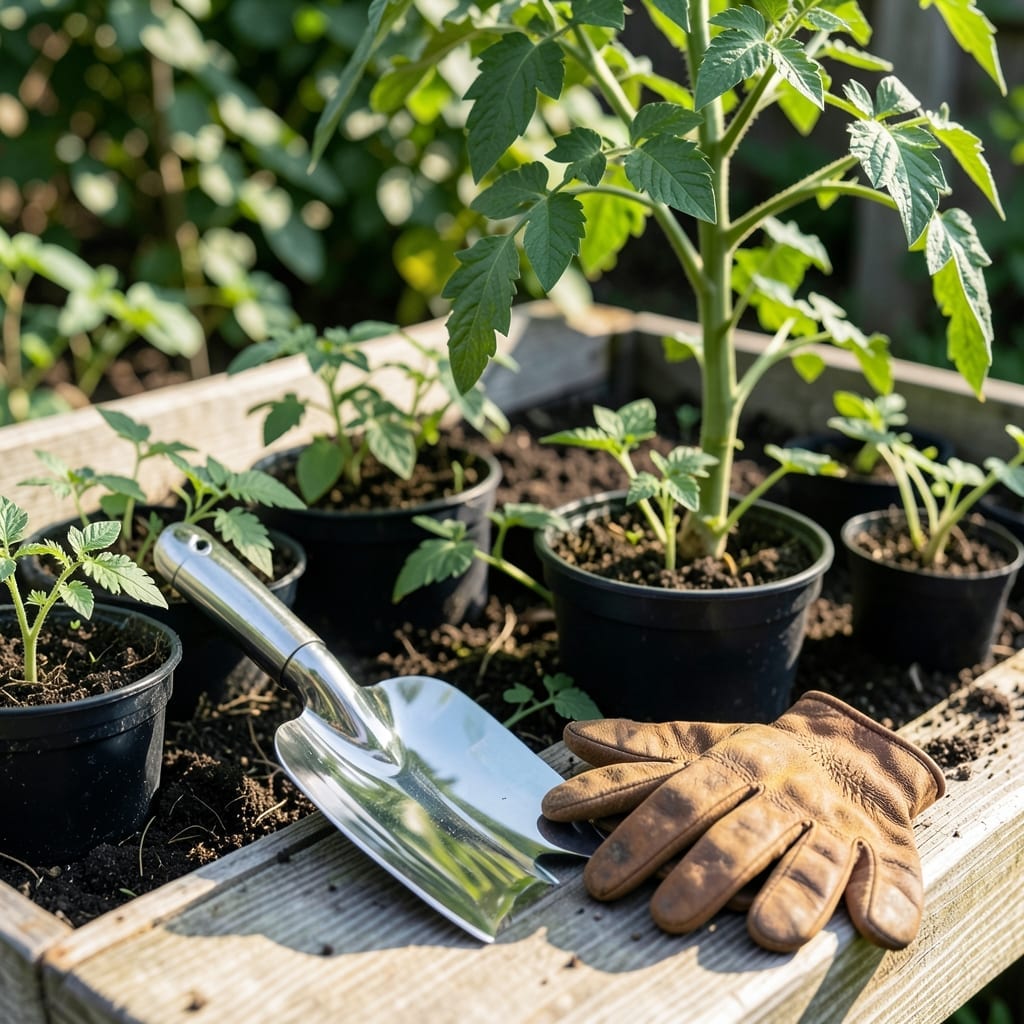
Timing is everything when you’re planting 🥕 Vegetables in Zone 7a. One misstep with your schedule, and frost might wipe out your hard work before it even begins.
This region offers a generous growing window, but knowing when to start is the key to success. Plant too early or too late, and you risk missing the perfect harvest conditions.
I’ve learned that understanding your local climate patterns makes all the difference. Zone 7a gives us 210 frost-free days, but timing varies dramatically between spring and fall crops.
Let me walk you through the optimal schedule for both cool and warm-season varieties. You’ll discover exactly when to get each type of Vegetable in the ground for maximum yield.
In Zone 7a, the last frost typically hits around April 15, giving you a long growing season until the first frost near November 15. This means you have about 210 frost-free days to work with each year.
I always start cool-season crops like lettuce and spinach in early spring or late summer for a fall harvest. These thrive in cooler temperatures and can tolerate light frosts.
| Vegetable | Type | Planting Window | Harvest Time |
|---|---|---|---|
| Lettuce | Cool | March-April, Aug-Sept | May-June, Oct-Nov |
| Tomatoes | Warm | April-May | July-Sept |
| Peppers | Warm | April-May | Aug-Oct |
| Broccoli | Cool | March, Sept | May-June, Nov |
| Cucumbers | Warm | May-June | July-Sept |
For warm-season vegetables like tomatoes and peppers, I wait until after the last frost when soil temperatures reach at least 60°F. These plants love heat and won’t tolerate cold.
I’ve found that succession planting works wonders in Zone 7a. After harvesting early radishes or peas, I immediately plant bush beans or squash in the same space.
The soil temperature is just as important as air temperature. I use a soil thermometer to check – cool crops need 40-50°F, while warm crops prefer 70-80°F.
Don’t forget about fall planting! Many cool-season crops actually taste sweeter after a light frost. I always plant kale and carrots in late summer for fall harvests.
In my experience, row covers can extend your season by 2-4 weeks in both spring and fall. They protect from frost while still allowing light and water through.
Remember that microclimates matter. My garden’s south-facing slope warms up faster in spring than my neighbor’s flat yard, allowing me to plant a bit earlier.
For the best results, I always rotate crops each year to prevent disease buildup and maintain soil health in my Zone 7a garden. 🌱
Getting the timing right in Zone 7a is only half the battle. I’ve discovered that soil preparation makes a huge difference in plant health and productivity. Always work in compost or aged manure before planting.
For maximum yield, I practice succession planting with quick-maturing crops. After pulling early radishes, I immediately sow bush beans in the same spot. This keeps my garden productive all season.
🌱 5 Pro Tips for Zone 7a Planting Success
I always recommend using a soil thermometer to check conditions. Many gardeners make the mistake of planting based on air temperature alone. Cool-season crops need soil temps of 40-50°F to germinate properly.
Extending your season is possible with simple tools. I use cold frames for winter greens and shade cloth to protect summer plants from intense heat. These small investments can add weeks to your harvest window.
Pay attention to your garden’s microclimates. The area near my south-facing fence stays warmer longer, perfect for heat-loving peppers and eggplants. Meanwhile, the shadier spots work well for lettuce in summer.
Finally, don’t overlook fall planting opportunities. Many cool-season vegetables actually improve in flavor after light frosts. I always plant kale, spinach, and carrots in late summer for sweet fall harvests. 🌿