
Beautiful Plants For Your Interior
Beautiful Plants For Your Interior
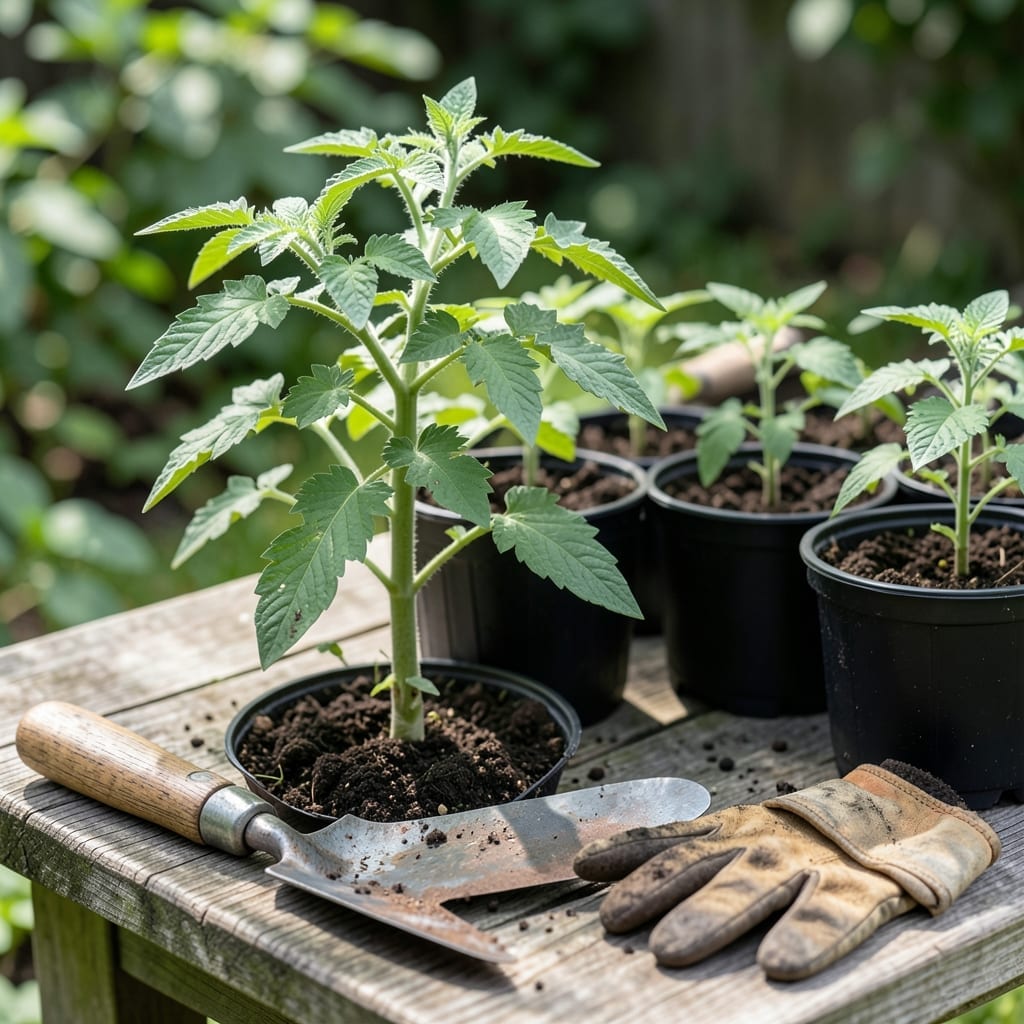
Timing is everything when you’re growing 🥕 Vegetables in Zone 6b. Plant too early and a late frost can wipe out your seedlings. Wait too long, and you’ll miss the prime growing window for a bountiful harvest.
I’ve learned the hard way that knowing the exact planting dates makes all the difference. Whether you’re a beginner or seasoned gardener, getting this right means bigger and healthier crops all season long.
From cool-season favorites to warm-weather staples, each type of Vegetables has its own sweet spot. This guide breaks down the optimal windows so you never have to guess again.
Discover how to align your planting with Zone 6b‘s unique climate and watch your garden thrive like never before.
In Zone 6B, your last frost date is around April 15, and the first frost hits near October 15. This gives you a 180-day growing season, perfect for both cool-season and warm-season crops. I always mark these dates on my calendar to stay on track.
For cool-season vegetables like peas, spinach, and lettuce, start planting 4-6 weeks before the last frost. These hardy plants thrive in cooler soil and can even tolerate light frosts, making them ideal for early spring or late fall planting.
| Vegetable Type | Planting Window | Notes |
| Cool-Season | March – April | Tolerates light frost |
| Warm-Season | May – June | Needs warm soil |
| Fall Crops | July – August | Harvest before frost |
Once soil temperatures reach 60°F, it’s time for warm-season crops like tomatoes, peppers, and cucumbers. I always use a soil thermometer to check, because guessing can lead to poor germination or stunted growth.
For fall planting, start cool-season crops again in late July or early August. This gives them enough time to mature before the first frost. Kale, carrots, and radishes are excellent choices for a fall harvest.
Don’t forget to prepare your soil before planting. I mix in compost and aged manure to boost fertility. Well-draining soil is key, especially for root vegetables like carrots and beets, which can rot in soggy conditions.
If you’re starting seeds indoors, begin 6-8 weeks before the last frost for tomatoes and peppers. This gives them a head start and ensures strong seedlings ready for transplanting when the weather warms up.
Succession planting is a game-changer in Zone 6B. After harvesting early lettuce or spinach, I replant with bush beans or zucchini to maximize my garden’s productivity throughout the season.
Keep an eye on weather forecasts, especially in early spring and late fall. A sudden cold snap can damage tender plants, so I always have frost blankets or row covers ready to protect my garden.
Finally, mulching helps retain soil moisture and suppress weeds, which is crucial during the hot summer months. I use straw or shredded leaves to keep my plants happy and healthy. ☀️
In Zone 6B, I always start my cool-season crops like peas and spinach in early March. These thrive in cooler soil and can handle light frosts. It’s the perfect way to kickstart your garden before the warmth sets in.
Once April 15 hits, I switch gears to warm-season favorites like tomatoes and peppers. These need warmer soil and no risk of frost to truly flourish in your garden.
For fall planting, I love getting kale and carrots in the ground by mid-August. They’ll mature beautifully before the first frost around October 15, giving you fresh produce late into the season.
Don’t forget succession planting! I sow radishes every 2 weeks for continuous harvests. This trick keeps my garden productive all season long without overwhelming any single planting.
For soil prep, I always test my pH levels before planting. Most vegetables prefer a 6.0-7.0 range. A simple test kit from your local nursery makes this an easy afternoon project.
Remember, consistent watering is key, especially for new seedlings. I aim for 1-2 inches per week, adjusting for rainfall. Morning watering helps prevent disease and gives plants their best start.
With these seasonal strategies, your Zone 6B garden will thrive from spring through fall 🌱