
Beautiful Plants For Your Interior
Beautiful Plants For Your Interior
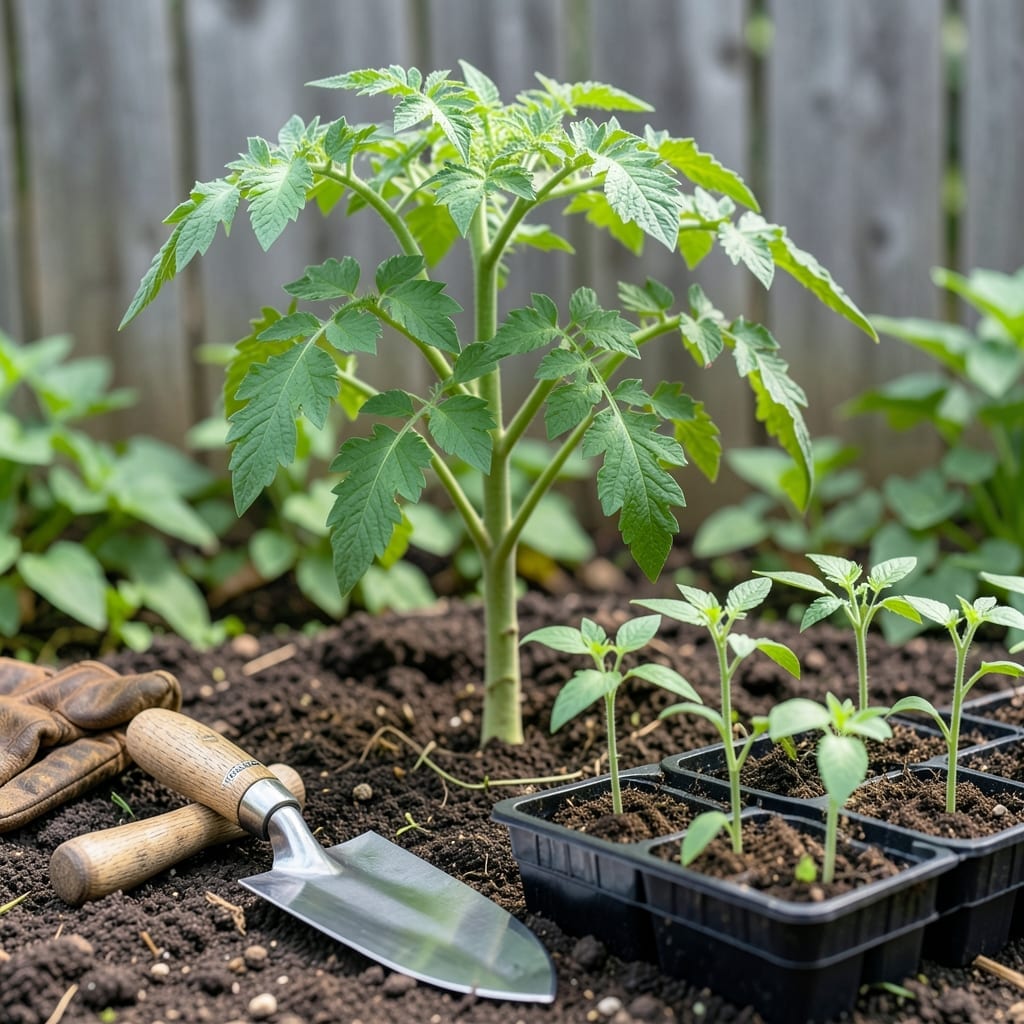
Timing is everything when it comes to growing 🥕 Vegetables in zone 6a, where the seasons dictate your success. Plant too early, and a late frost could wipe out your hard work overnight.
I’ve learned through experience that getting the timing right means the difference between a bountiful harvest and a disappointing season. The good news? There’s a clear window for each type of crop.
Whether you’re a first-time gardener or a seasoned pro, understanding the optimal schedule will set you up for success. The key is working with nature’s calendar, not against it.
Let me walk you through the best times to get your Vegetables in the ground, so you can enjoy fresh produce from spring through fall.
In zone 6a, your planting calendar revolves around two critical dates: the last frost around April 15 and the first frost near October 15. This gives you roughly 180 frost-free days to work with each year.
I always start my cool-season crops indoors about 4-6 weeks before that last frost date. This head start helps them establish before the heat of summer arrives.
| Season | Task | Timing |
|---|---|---|
| Early Spring | Start cool crops indoors | March 1-15 |
| Late Spring | Transplant cool crops | April 1-15 |
| Spring | Direct sow warm crops | After April 15 |
| Summer | Succession plant fast growers | June-July |
| Fall | Plant cool crops again | August 15-Sept 1 |
For warm-season vegetables like tomatoes and peppers, I wait until after that last frost when the soil has warmed to at least 60°F. This usually means mid-to-late April in my garden.
The soil temperature is just as important as air temperature. I use a simple soil thermometer to check – it’s a game-changer for knowing exactly when to plant.
Don’t forget about succession planting for quick-growing crops like lettuce and radishes. I plant new batches every 2-3 weeks for continuous harvests through the season.
In late summer, I start thinking about fall crops. By mid-August, I’m planting kale, spinach, and other cool-season favorites that will thrive as temperatures drop.
I’ve found that broccoli and cauliflower do best when started indoors in early spring, then transplanted out about 2 weeks before the last frost date.
For root crops like carrots and beets, I direct sow them in early spring as soon as the soil is workable, usually around late March or early April.
Remember that these are general guidelines. I always adjust based on my specific microclimate and the year’s weather patterns. Gardening is as much art as it is science.
With this schedule, I’m able to enjoy fresh vegetables from my zone 6a garden for most of the year, with just a short break during the deepest winter months. ☀️
In zone 6a, your vegetable choices fall into two main categories: cool-season and warm-season crops. Each has its own perfect window for planting success. I always start with cool-season varieties early in spring.
For cool-season vegetables, aim to plant 4-6 weeks before the last frost date, which is around April 15 in zone 6a. These hardy plants can handle light frosts and cooler soil temperatures.
Top Zone 6a Vegetables & Planting Times
I’ve found that lettuce and spinach thrive when planted in early March or late August for a fall harvest. These leafy greens prefer cooler temperatures and can bolt in summer heat.
Tomatoes and peppers are my go-to warm-season crops. I wait until all danger of frost has passed, typically mid-April to early May, before transplanting these heat-lovers into the garden.
Don’t forget about succession planting for continuous harvests. I plant radishes every 2 weeks in spring and fall. This technique ensures a steady supply of fresh vegetables throughout the growing season.
For the best results, I always check the soil temperature before planting. Cool-season crops prefer 40-50°F, while warm-season varieties need at least 60°F to thrive. A simple soil thermometer takes the guesswork out of timing.
Remember, these are guidelines, not rigid rules. I adjust my planting dates based on the current year’s weather patterns and my garden’s microclimate. Gardening is as much an art as it is a science! 🌱